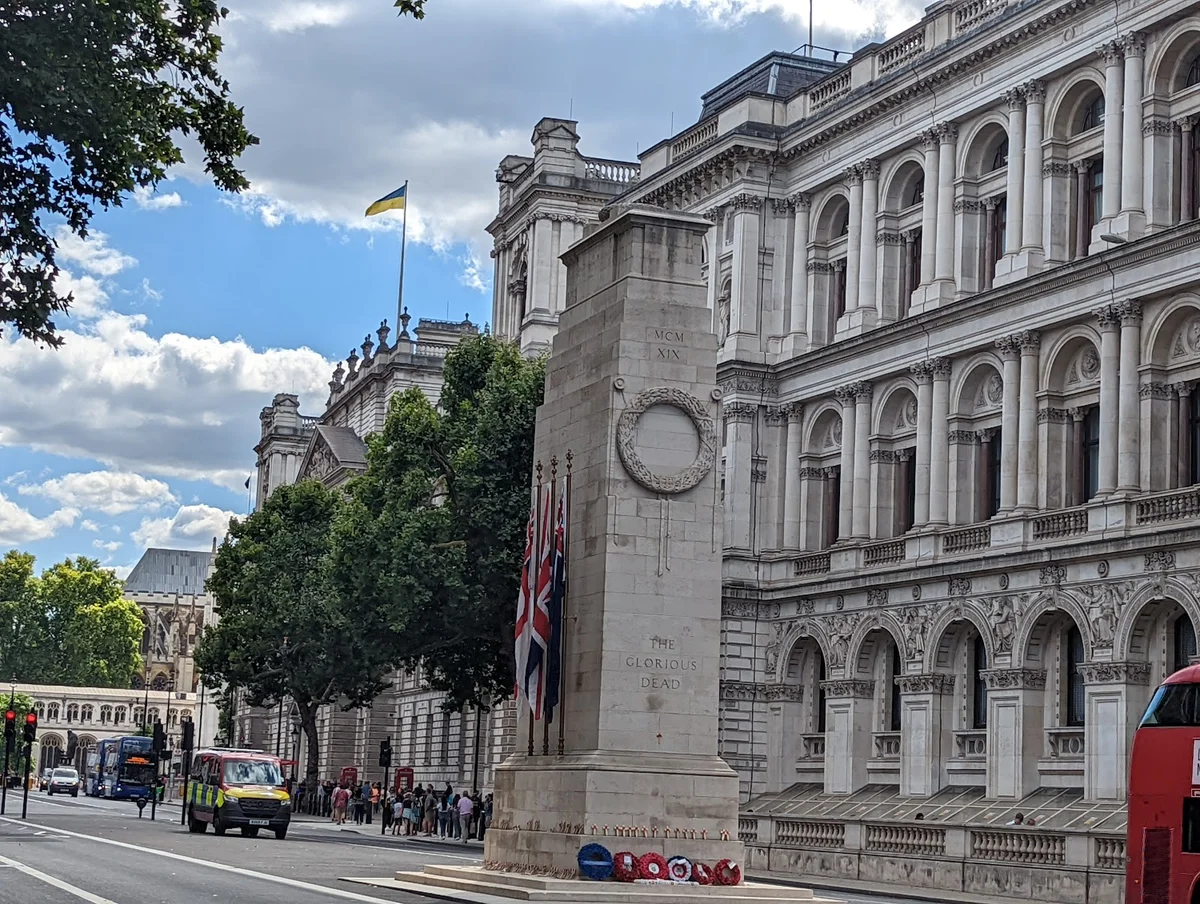
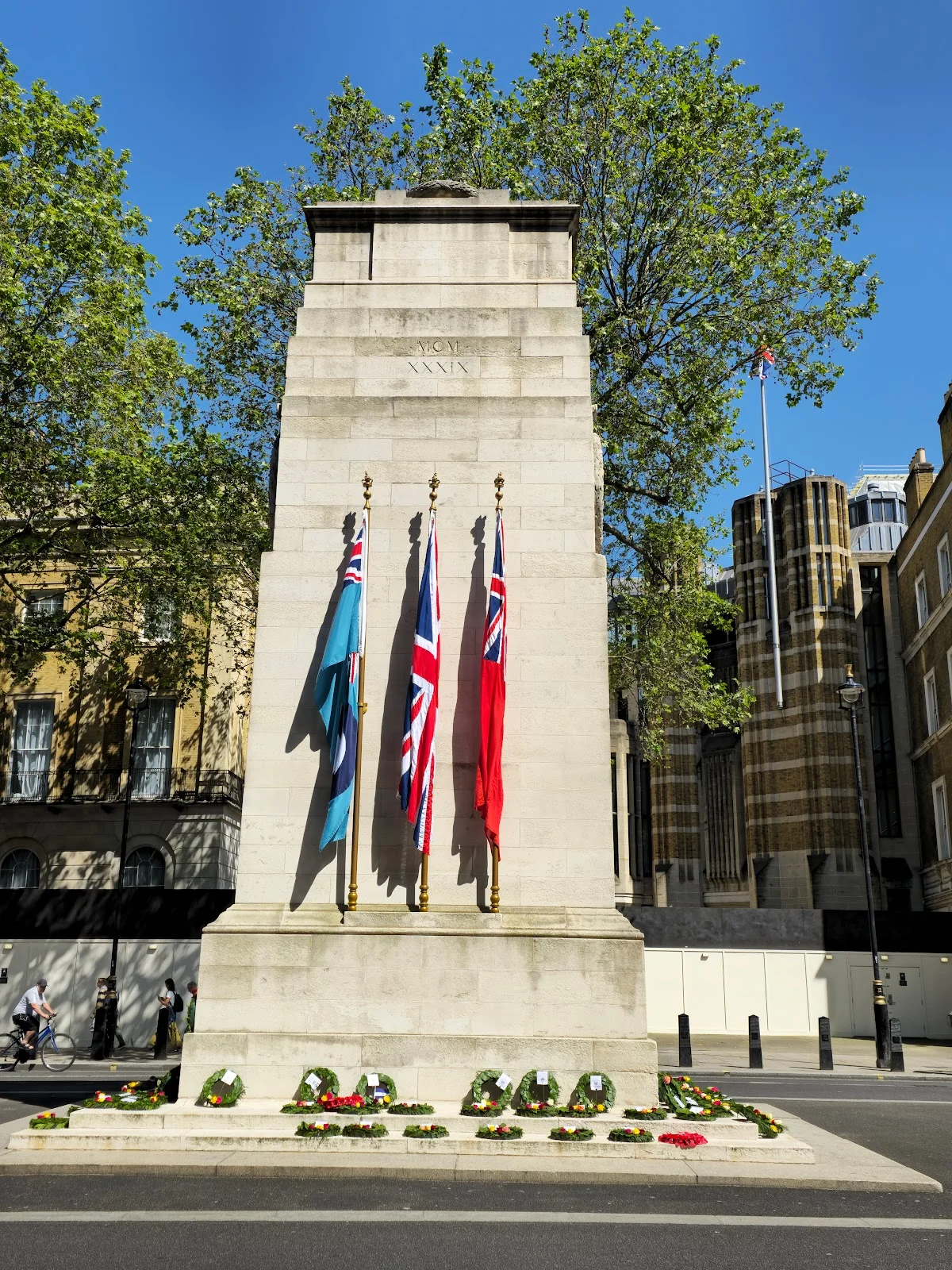
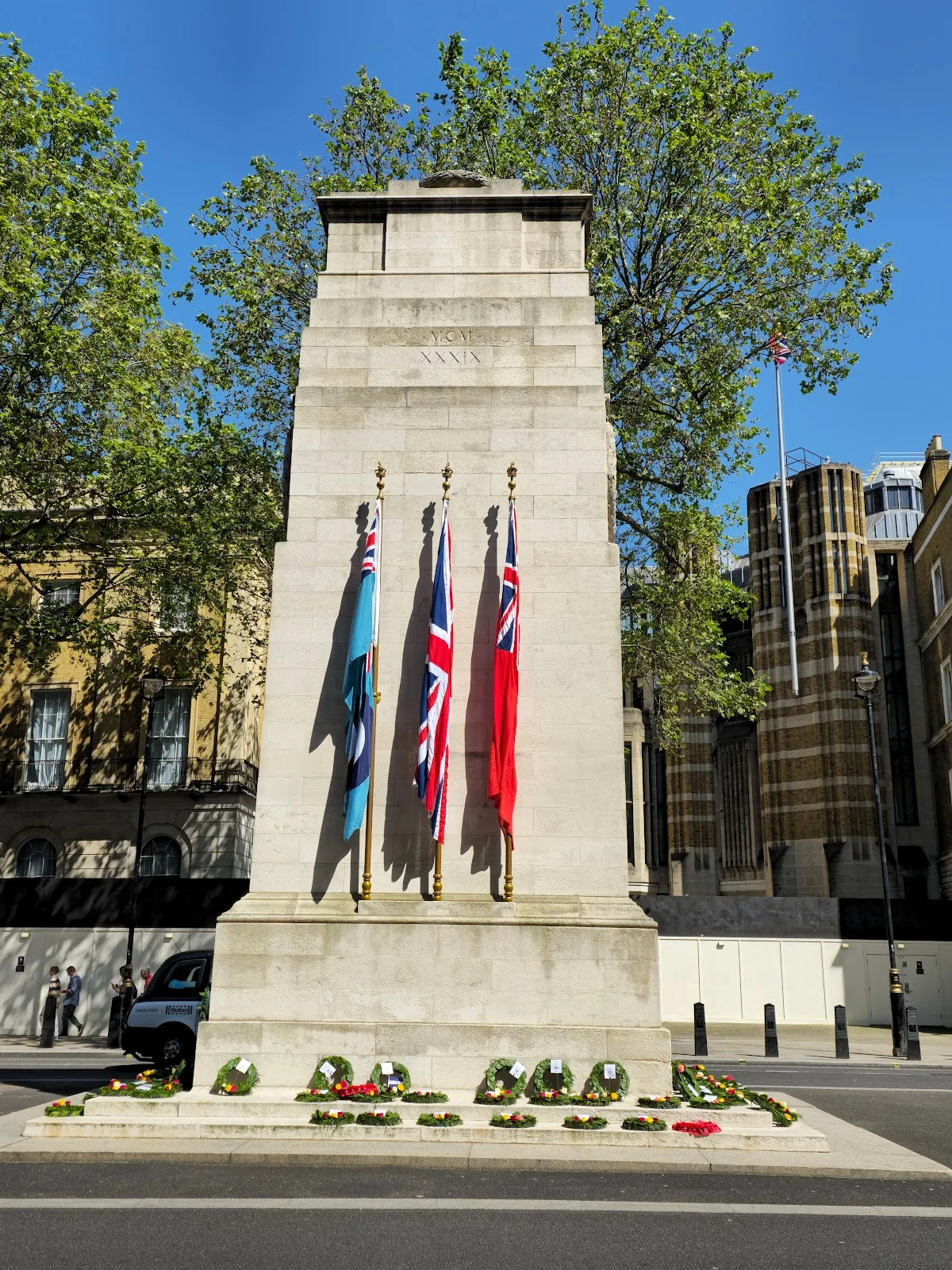
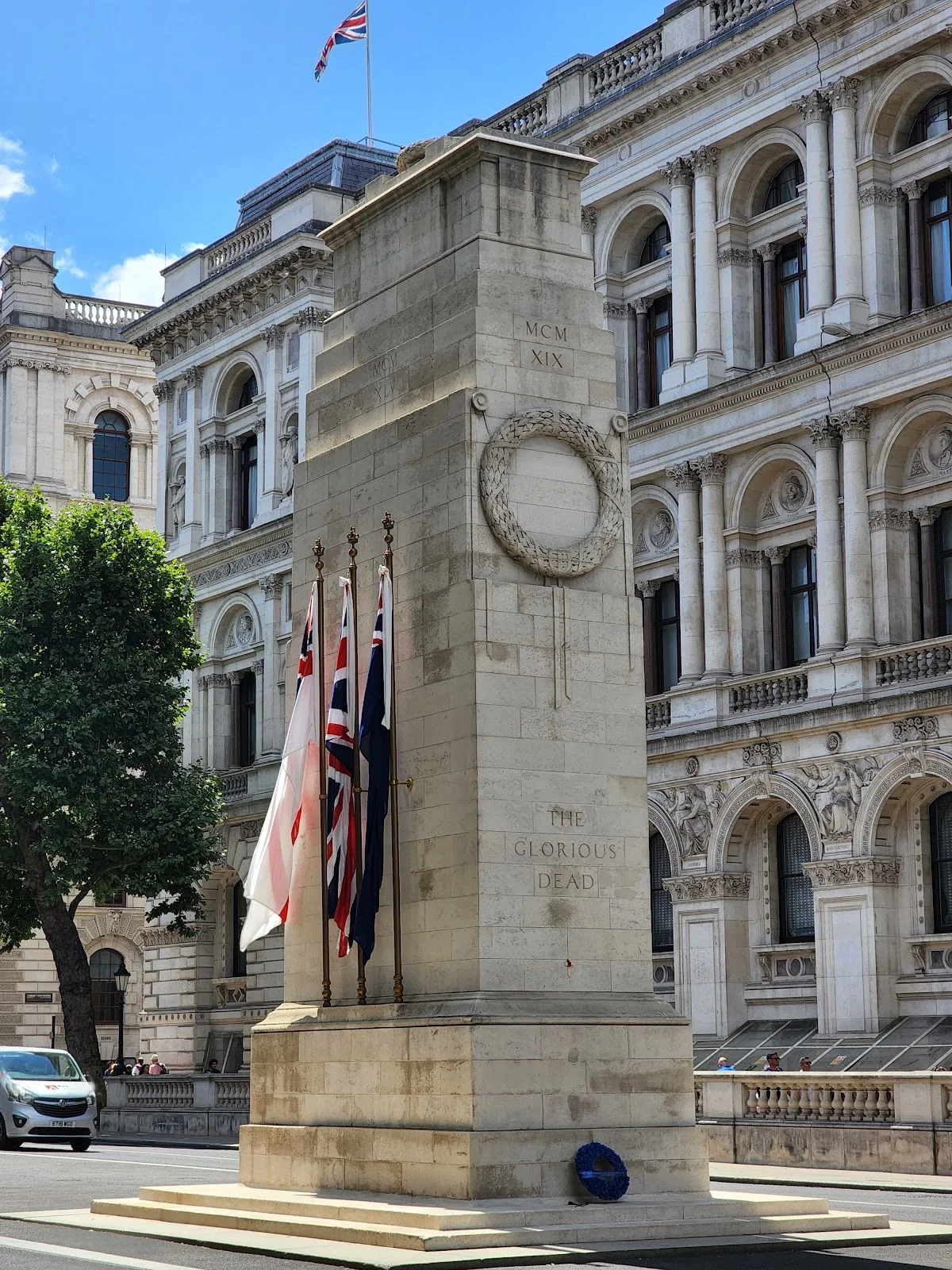
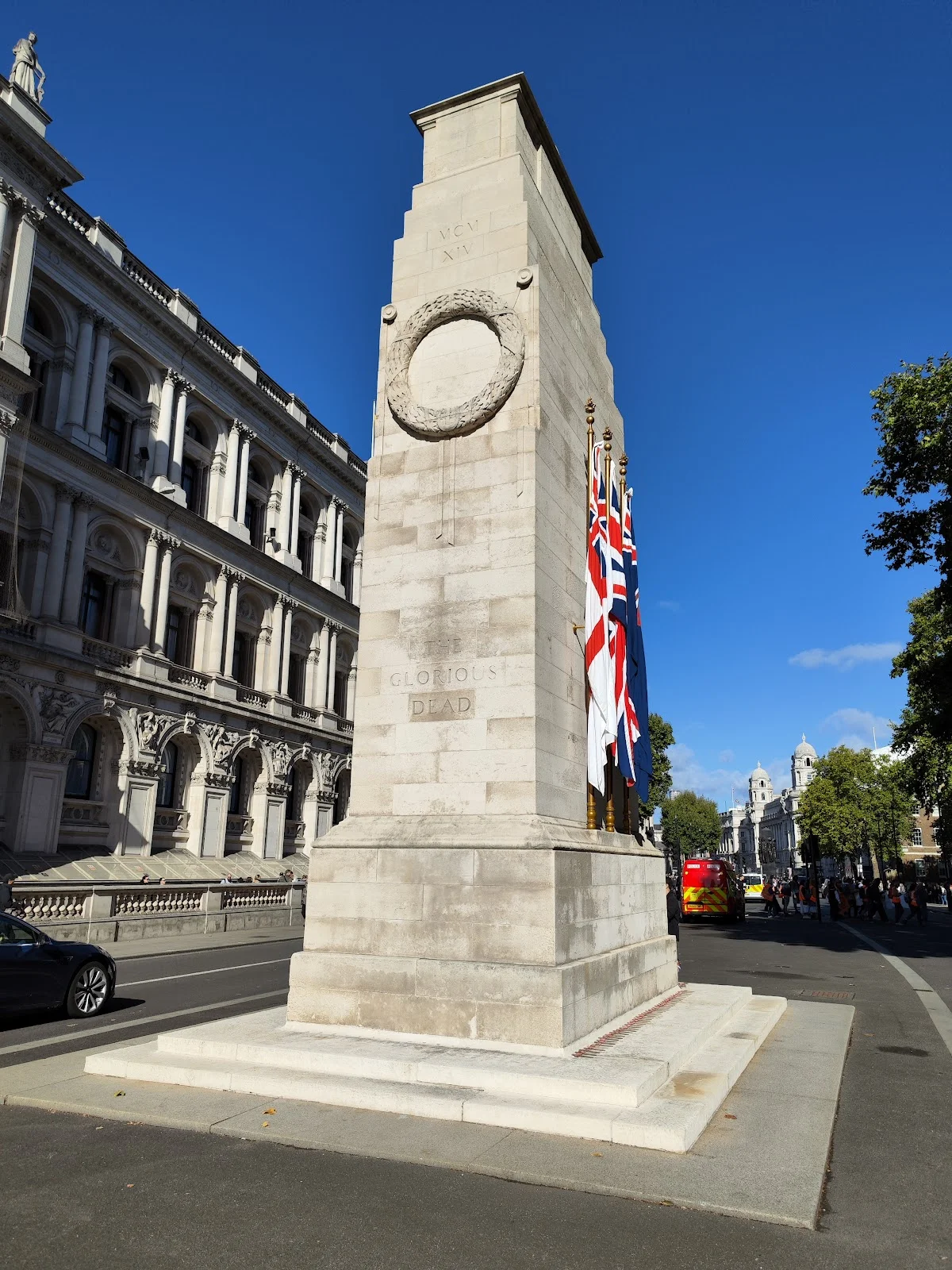
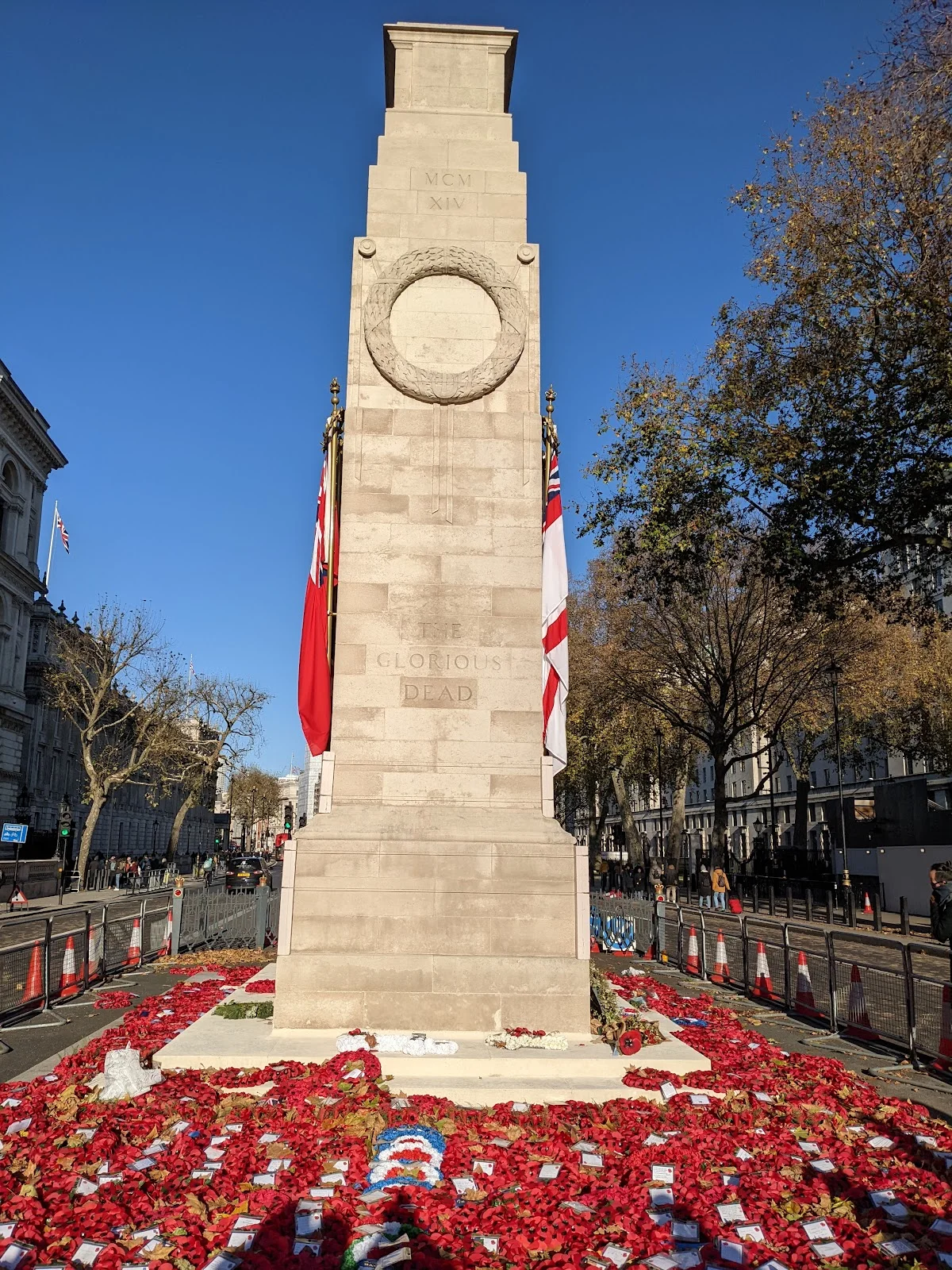
The Cenotaph is an iconic war memorial located in Whitehall, London. It was designed by Sir Edwin Lutyens and unveiled in 1920 to honor British and Commonwealth military personnel who lost their lives in the First World War and subsequent conflicts. The monument features a simple, elegant structure made of Portland stone, symbolizing mourning and remembrance. Each year, it serves as the focal point for the Remembrance Day services, where the public pays their respects through wreath-laying ceremonies. The Cenotaph stands as a testament to the courage of those who served.
What each source says
- Viator 3.8 11,760
- Google 4.7 798
- Tripadvisor 4.5 240
Bar length is review volume, so you can see how much weight sits behind each score. Captured 2026-08-26.
What visitors single out
Liked
- Architectural Significance Designed by Sir Edwin Lutyens, its simple yet elegant design makes it a historically interesting and aesthetically pleasing monument.
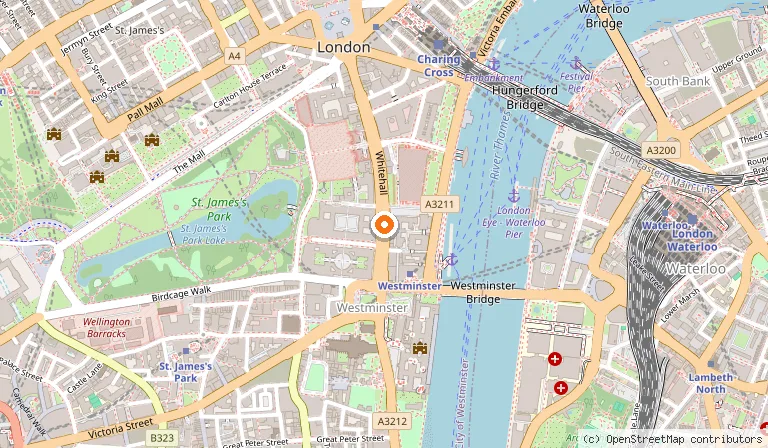
- Central Location Situated in the heart of Whitehall, it's easily accessible and near other significant landmarks like the Houses of Parliament and Downing Street.
- Free to Visit The Cenotaph is a public monument, allowing anyone to visit and pay their respects without any admission fee.
- Moving Experience on Remembrance Sunday Visiting during Remembrance Week or on Remembrance Sunday itself offers a deeply emotional and respectful experience.
- Profound Symbolism The Cenotaph serves as a powerful and poignant reminder of the sacrifices made by British and Commonwealth soldiers in past conflicts.
Criticised
- Can Be Overlooked Some tourists may not give it a second glance due to its simple design or focus on nearby attractions.
- Limited Accessibility Being in the center of the road, getting close to the monument can be challenging due to traffic and pedestrian barriers.
- Limited Information On-Site There may be a lack of detailed historical information readily available at the site for casual visitors.
- Located on a Busy Road Its position in the middle of a busy road can make quiet reflection difficult due to traffic noise and pedestrian congestion.
- Not a Destination for Extended Visits As a monument, there are no activities to engage in beyond quiet reflection and observation.
The longer read
The Cenotaph, located on Whitehall in central London, stands as Britain's primary national war memorial, honoring the fallen from World War I, World War II, and subsequent conflicts. Designed by Sir Edwin Lutyens, the monument's name, meaning "empty tomb," symbolizes the countless war dead with no known grave. Its simple, austere design, constructed from Portland stone, allows for universal mourning and reflection. Many reviewers describe it as a poignant, powerful, and humbling experience. Its location in the middle of Whitehall places it near other significant sites like Downing Street and the Houses of Parliament, making it easily accessible and a point of stillness amidst the busy city. Many visitors find it moving even when simply passing by. The Cenotaph is the focal point for the annual National Service of Remembrance on Remembrance Sunday (the second Sunday in November), where dignitaries, veterans, and the public gather to pay tribute. During this time, poppy wreaths adorn the monument, creating a powerful visual display. However, the Cenotaph holds significance year-round, with visitors often leaving memorials and paying their respects. Some reviewers who are veterans have mentioned the personal impact of visiting the site, while others describe the emotional experience of attending the Remembrance Day ceremonies or marches. The monument's accessibility is noted, although its central location in a busy road means a quiet, contemplative visit outside of Remembrance Day events may be challenging. While architecturally simple, its symbolic importance as a place of remembrance and national gratitude makes it a worthwhile visit for those reflecting on history and honoring those who have served.
A synthesis of published third-party reviews. Not written by Breaks.
Getting there
| Mon | 24 Hours |
|---|---|
| Tue | 24 Hours |
| Wed | 24 Hours |
| Thu | 24 Hours |
| Fri | 24 Hours |
| Sat | 24 Hours |
| Sun | 24 Hours |
Against the neighbourhood
Rated 3.9 against a median of 4.5 across the 2,371 venues we hold for London, where the most-reviewed is Trafalgar Square.
Still deciding?
- When is the best time of year to visit the Cenotaph in London?
- How can visitors attend the Remembrance Day ceremony at the Cenotaph and what should they know?
- What does the design of the Cenotaph symbolize and why was Portland stone chosen?
- Is the Cenotaph area wheelchair accessible and are there facilities for disabled visitors?
- What nearby attractions or landmarks can be combined with a visit to the Cenotaph in Whitehall?
What this page cannot tell you
- Descriptions and review summaries are supplied by the source index and are reproduced as published; they are not independently verified by Breaks.
- Ratings and review counts are point-in-time snapshots and drift constantly. Check the venue's own site or the rating provider for the current figure.
- Opening hours change seasonally and at short notice. Confirm with the venue before travelling.
- Category labels come from the source index and are occasionally wrong — a venue may be filed under a type that does not match how it trades.
- Straight-line distances understate real walking distance, especially where a river or railway sits between two points.