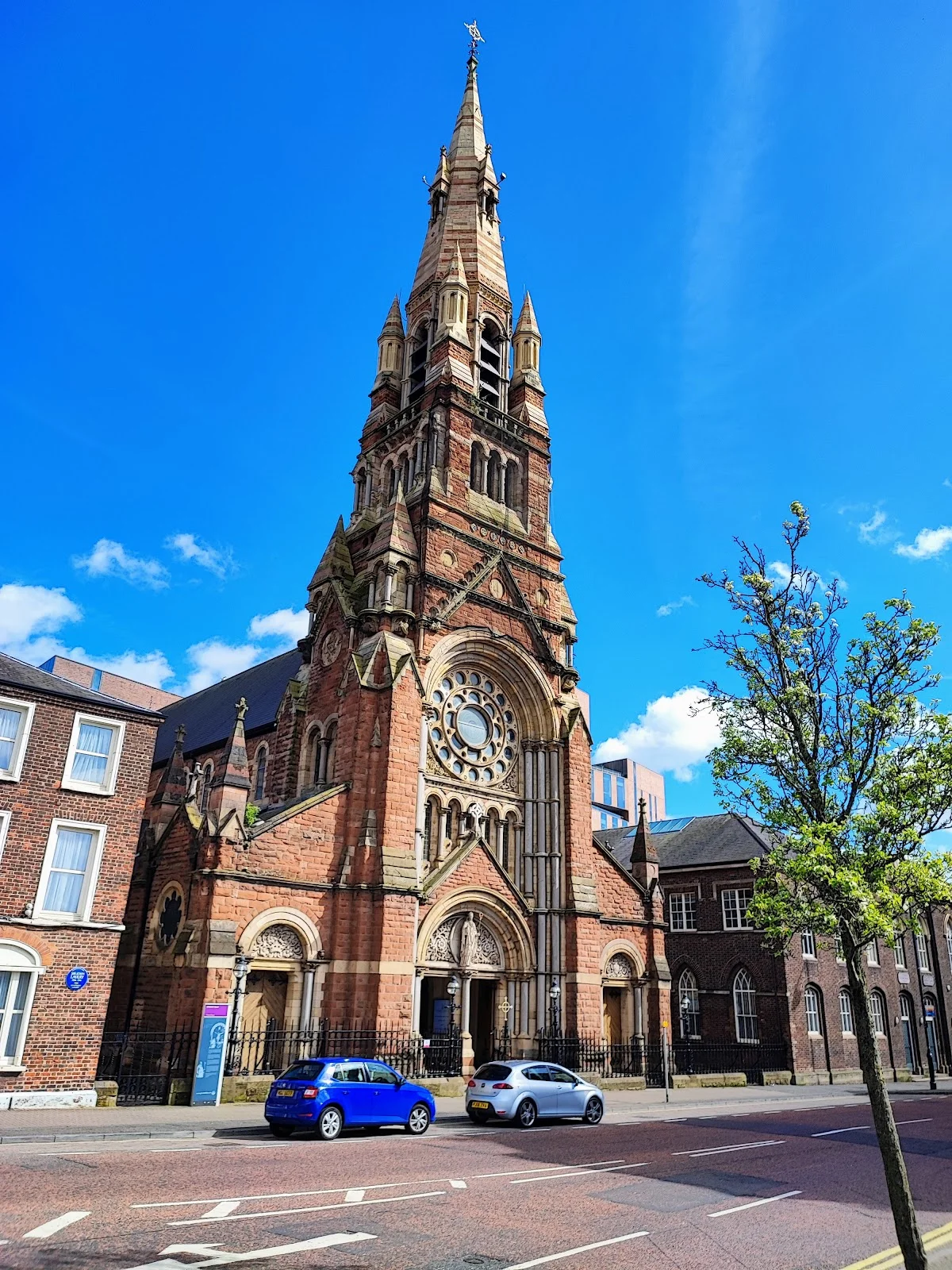
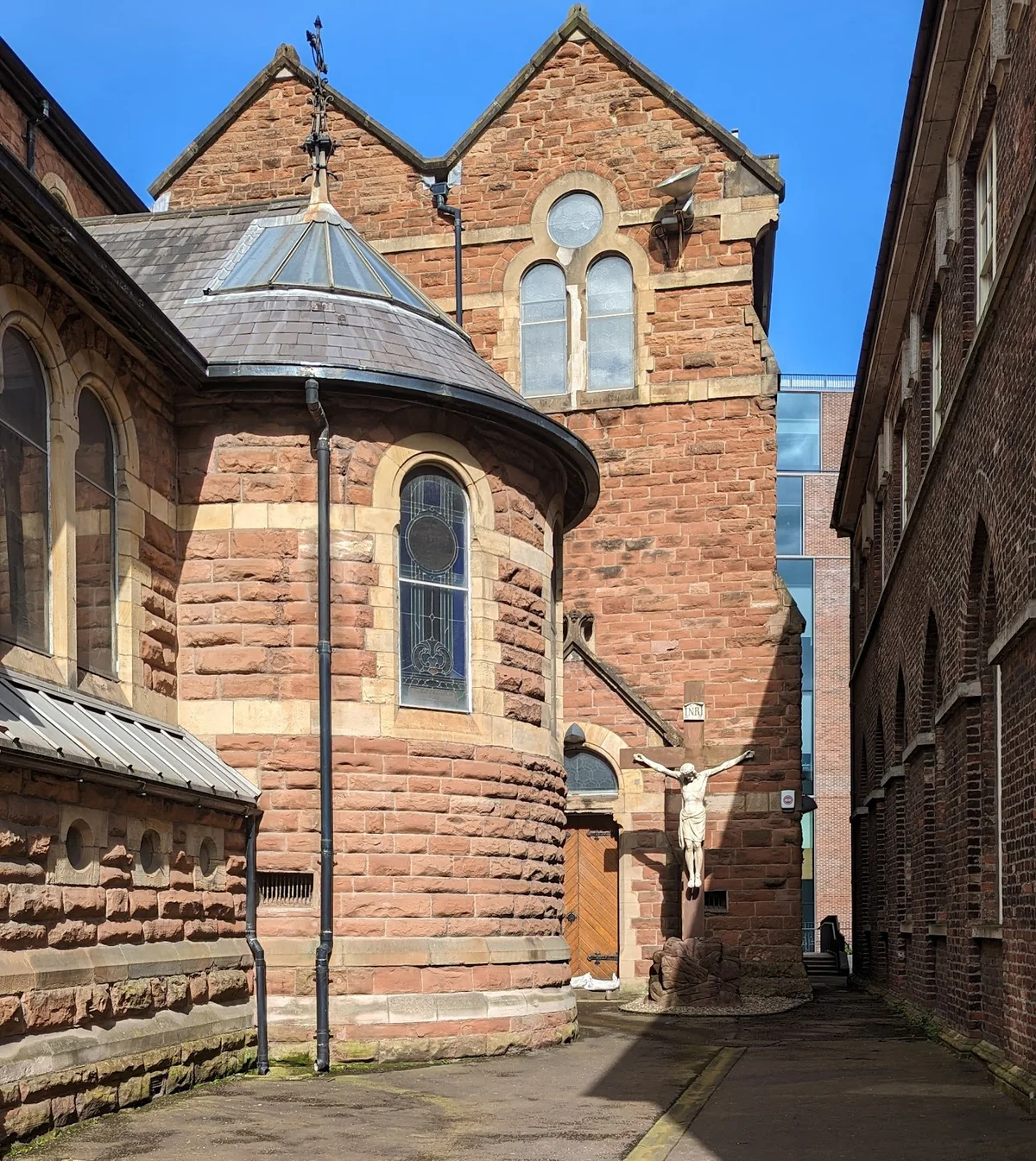
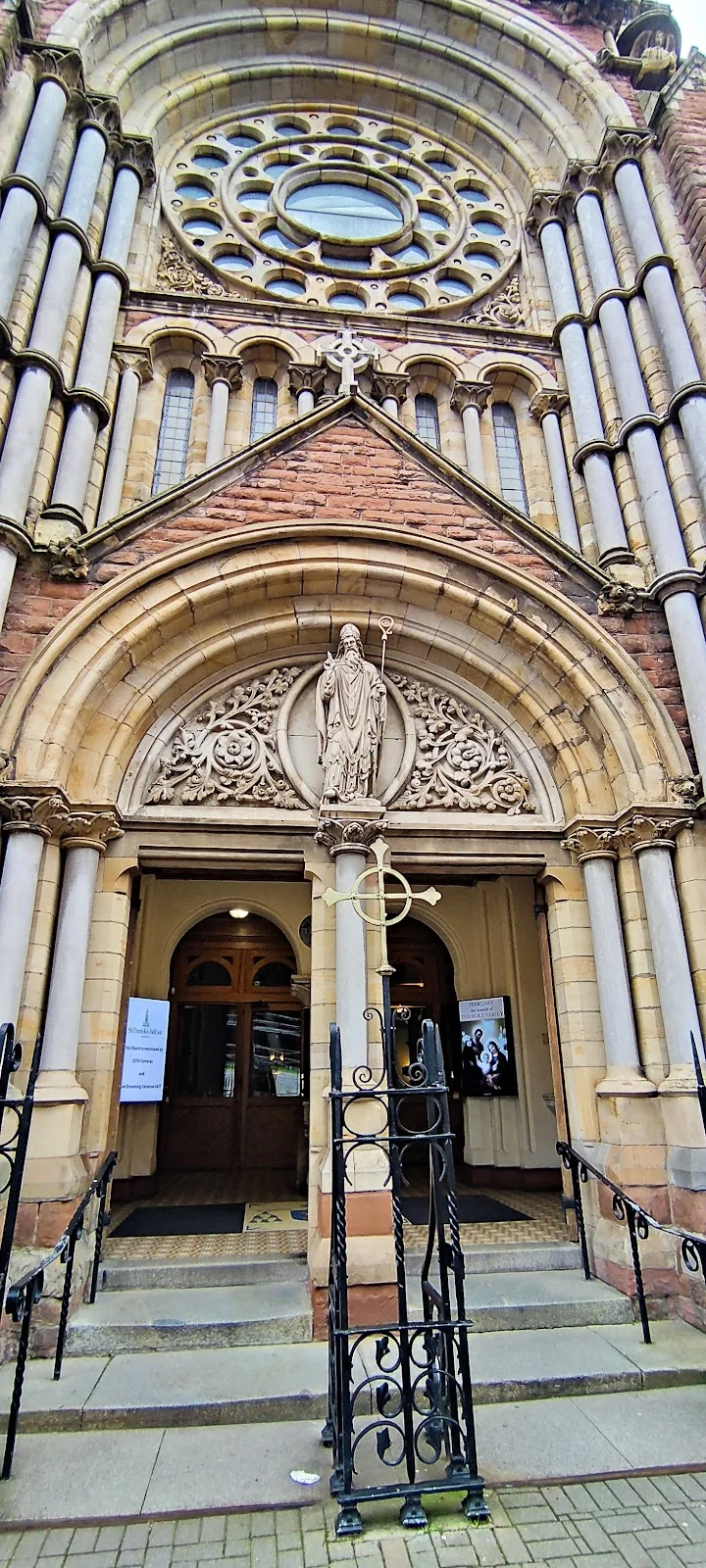
St Patrick's Church is a prominent Anglican church located in Belfast. Established in the 19th century, it boasts stunning neo-Gothic architecture and intricate stained glass windows that attract both worshippers and tourists. The church is noted for its impressive bell tower and serene interior, creating a peaceful atmosphere for reflection and prayer. Its rich history is intertwined with the community, making it a significant landmark in the city. Visitors often appreciate the craftsmanship and artistry that highlight the cultural heritage of Belfast.
What each source says
- Google 4.6 543
- Tripadvisor 4.5 37
Bar length is review volume, so you can see how much weight sits behind each score. Captured 2026-08-26.
What visitors single out
Liked
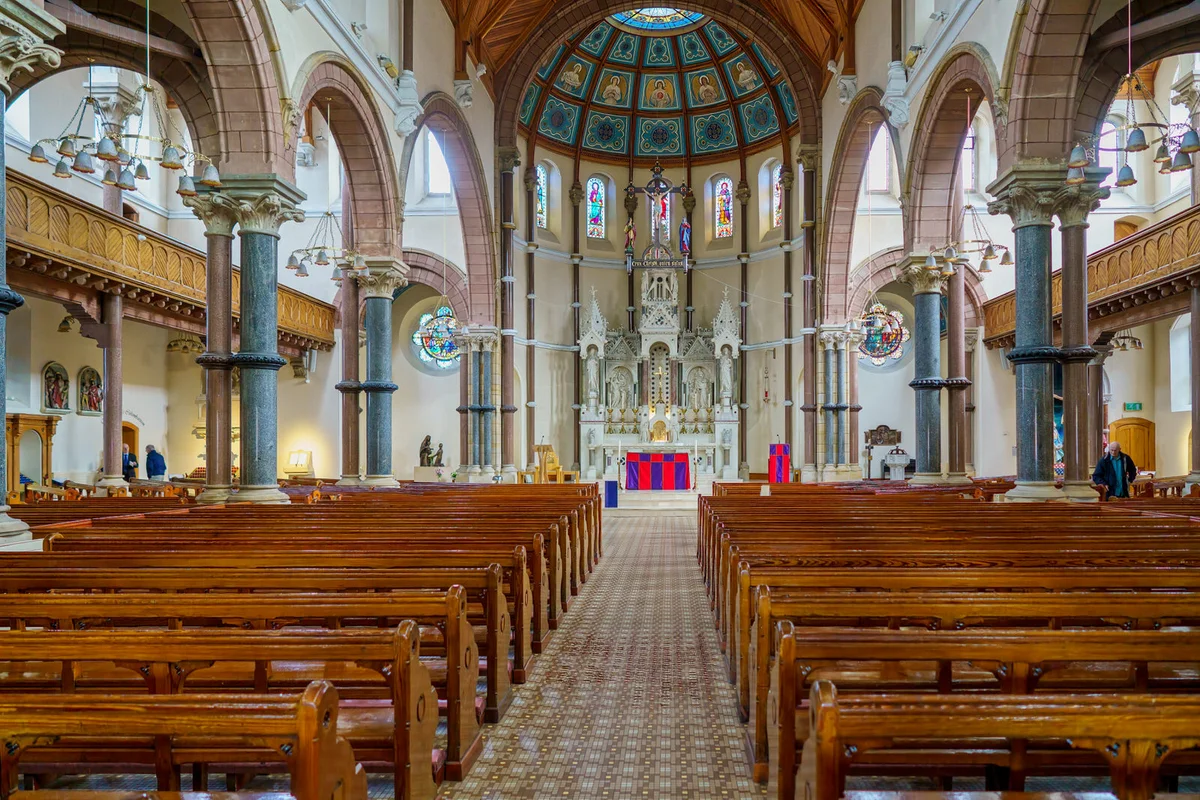
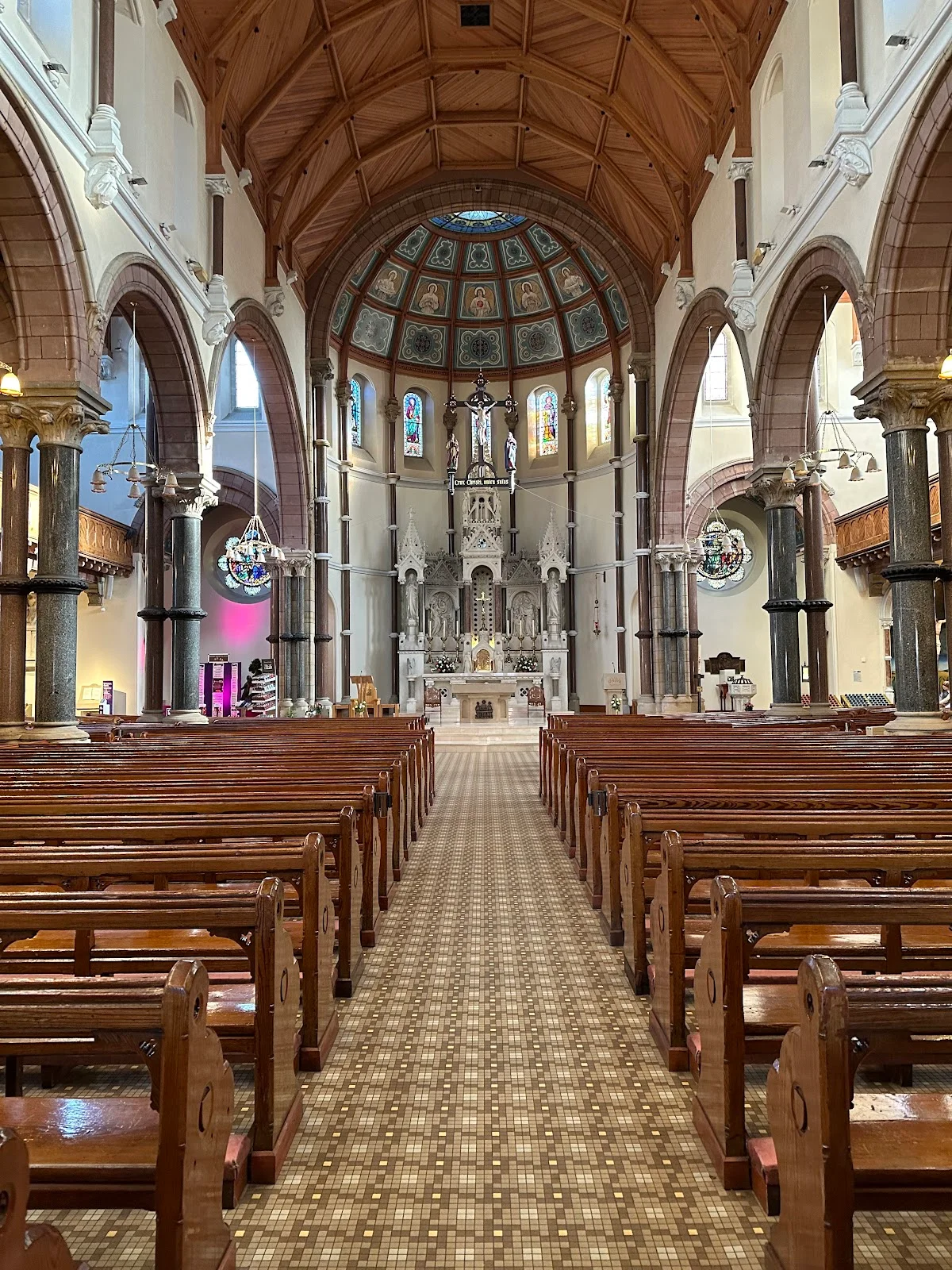
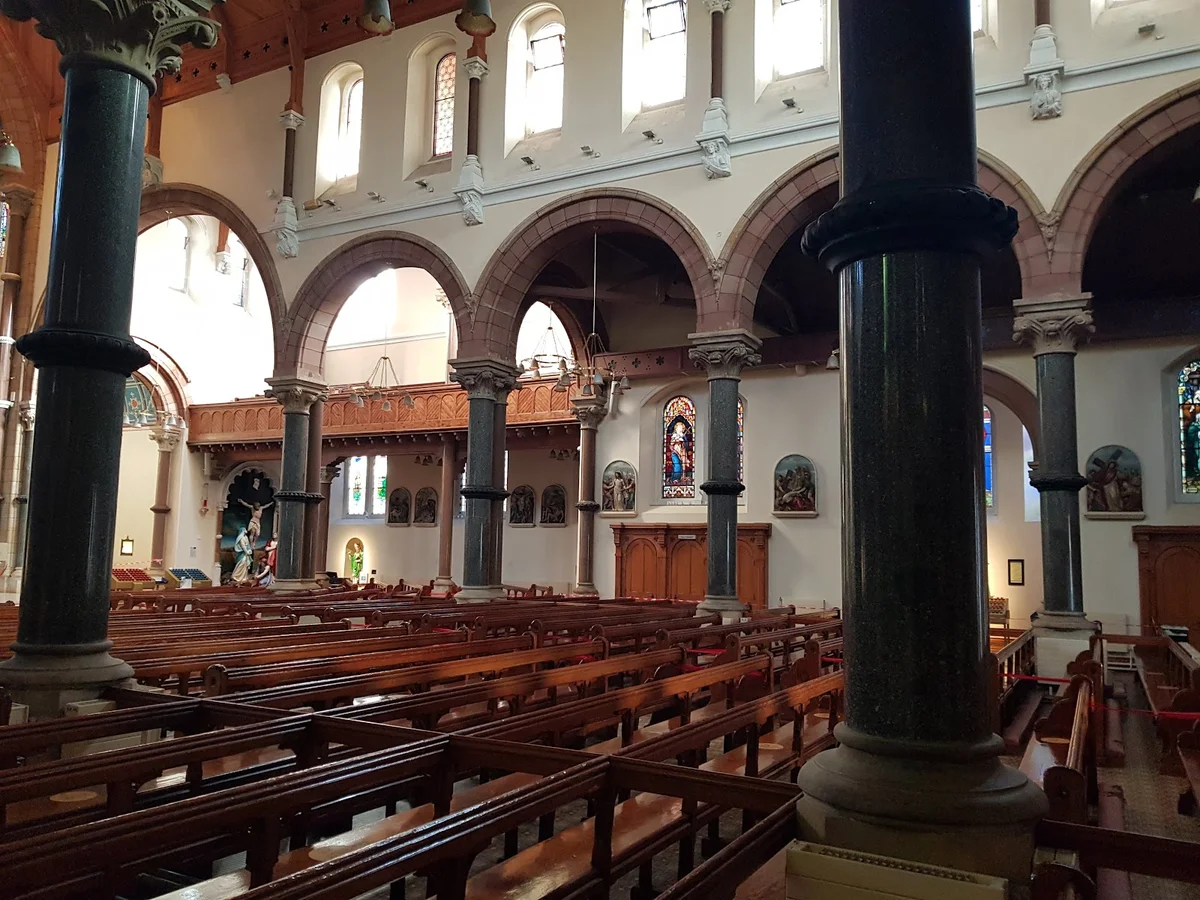
- Architectural Beauty St. Patrick's Church showcases stunning architecture, including a vaulted ceiling, stained glass windows, and a notable triptych by Sir John Lavery.
- Central Location Situated near the city center and other attractions like St. Anne's Cathedral and Crumlin Road Gaol, St. Patrick's is easily accessible during a Belfast tour.
- Free Admission Unlike some other prominent churches in Belfast, St. Patrick's Church offers free entry, making it accessible to all visitors regardless of budget.
- Peaceful Atmosphere The church provides a serene and calming environment, ideal for quiet reflection and prayer away from the bustling city.
- Welcoming Environment Visitors often receive a warm welcome, with opportunities to learn about the church's history and significance from friendly individuals.
Criticised
- Lack of Historical Information While beautiful, the church may not offer extensive historical information about St. Patrick himself, potentially disappointing visitors seeking detailed history.
- Not Highly Commercialized Those looking for a commercialized tourist experience with souvenirs may find St. Patrick's lacking compared to other attractions.
- Ongoing Restoration Scaffolding may be present due to ongoing restoration efforts, potentially impacting the aesthetic appeal of the exterior.
- Potential for Crowds Depending on the time, the church can get crowded, which may detract from the peaceful atmosphere some visitors seek.
- Variable Service Quality The quality of services may vary, with some visitors experiencing more engaging interactions than others.
The longer read
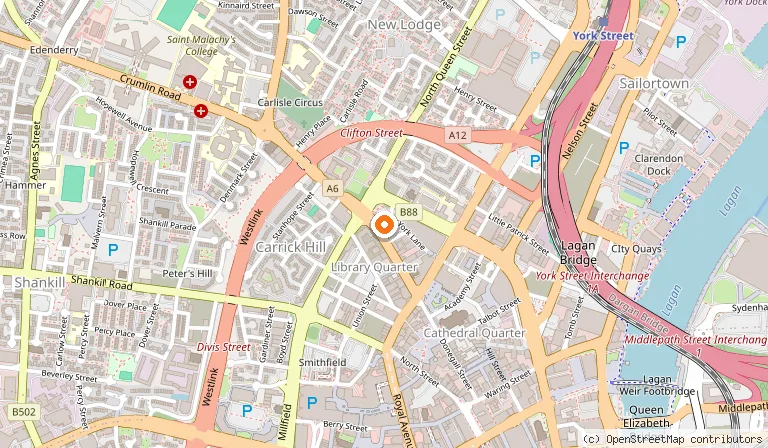
St. Patrick's Church in Belfast is a beautiful and historically significant Catholic church located on Donegall Street in the city center, easily accessible from other attractions like St. Anne's Cathedral and Crumlin Road Gaol. Dedicated to Saint Patrick, the patron saint of Ireland, it has been a central place of worship for the Catholic community since its completion in the 19th century (completed in 1877). The church was designed by architect Timothy Hevey, drawing inspiration from the Gothic Revival style. Entry is free. Visitors consistently describe the church as peaceful, serene, and calming, offering a respite from the busy city. Many appreciate the opportunity for quiet reflection and prayer, regardless of their faith. The church is noted as a sacred space for contemplation. Several reviewers mentioned lighting candles for loved ones. The interior is well-lit and considered beautiful, featuring stained glass windows, a regular wooden roof, pillars, and three naves. A central rose window depicts images with great detail. The church also houses a noteworthy organ and the Sir John Lavery triptych "The Madonna of the Lakes," a valuable work of art behind glass. The church was restored after a fire in 1995, reopening in 1997. The restoration is considered beautiful. Some reviewers highlight the warm welcome they received from people within the church, in contrast to other nearby attractions. The parish itself has a long history in Belfast, with sacramental records dating back to 1798. While some found the church lacking in specific information about Saint Patrick, most focused on its architectural beauty and tranquil atmosphere. Sunday evening Mass at 7 pm is considered special. Some reviewers visited to see family history, with family members being married in the church. Others appreciate the architecture and fine art. The ceiling and altar are frequently mentioned as particularly amazing. A modern columbarium is also present. The church's simple presentation is appreciated by some, contrasting it with more commercialized attractions.
A synthesis of published third-party reviews. Not written by Breaks.
Getting there
- Phone
- +44 28 9032 4597
- Website
- stpatricksbelfast.org
| Mon | 9:00 - 18:00 |
|---|---|
| Tue | 9:00 - 18:00 |
| Wed | 9:00 - 18:00 |
| Thu | 9:00 - 18:00 |
| Fri | 9:00 - 18:00 |
| Sat | 9:00 - 19:00 |
| Sun | 8:30 - 19:00 |
Against the neighbourhood
Rated 4.6 against a median of 4.6 across the 11 venues we hold for Cathedral Quarter, where the most-reviewed is Crumlin Road Gaol Visitor Attraction and Conference Centre.
Still deciding?
- What is the historical significance of St Patrick's Church in Belfast?
- Are guided tours or informational visits available at St Patrick's Church?
- What are the usual opening hours for visitors at St Patrick's Church in Belfast?
- What notable features or artworks should I look for when visiting St Patrick's Church?
- Is St Patrick's Church accessible for people with disabilities or limited mobility?
What this page cannot tell you
- Descriptions and review summaries are supplied by the source index and are reproduced as published; they are not independently verified by Breaks.
- Ratings and review counts are point-in-time snapshots and drift constantly. Check the venue's own site or the rating provider for the current figure.
- Opening hours change seasonally and at short notice. Confirm with the venue before travelling.
- Category labels come from the source index and are occasionally wrong — a venue may be filed under a type that does not match how it trades.
- Straight-line distances understate real walking distance, especially where a river or railway sits between two points.