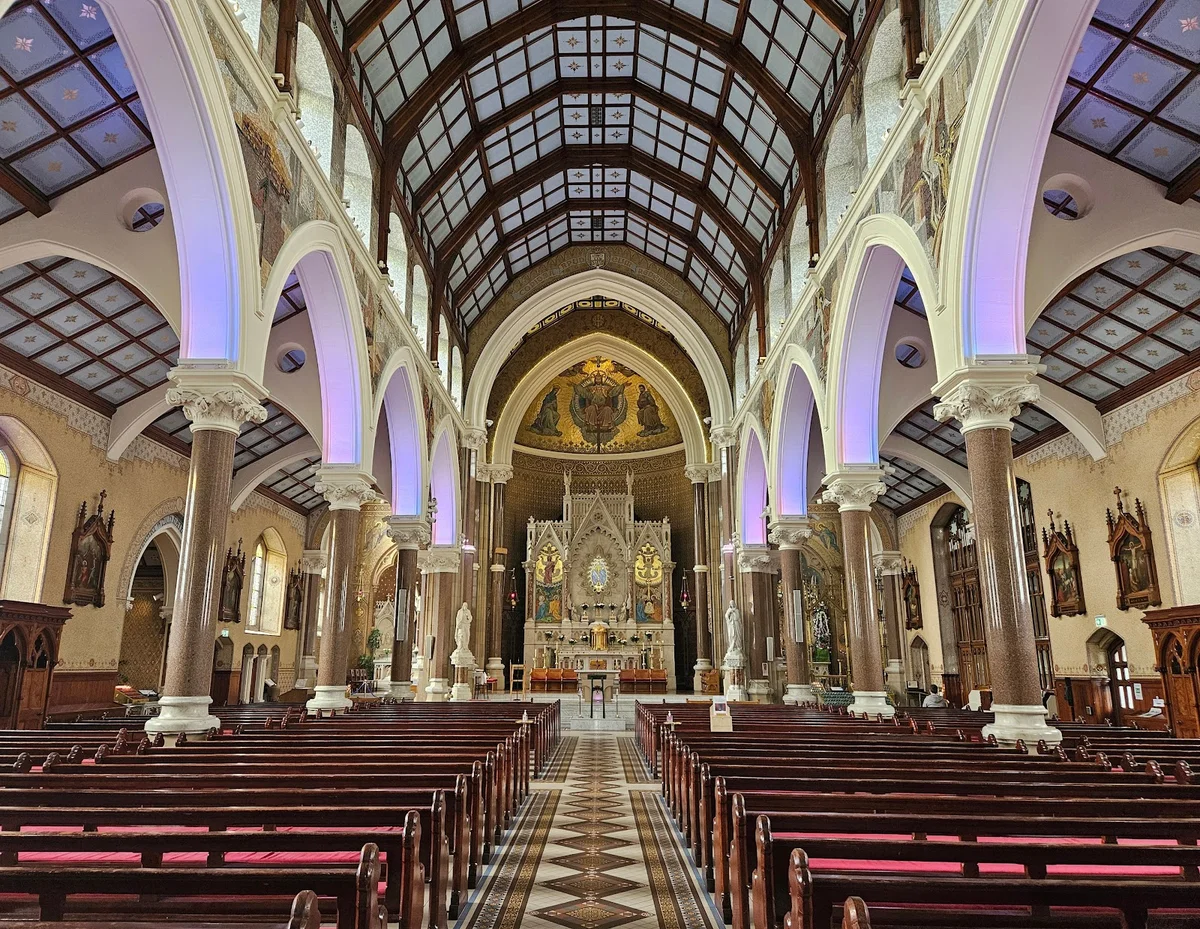
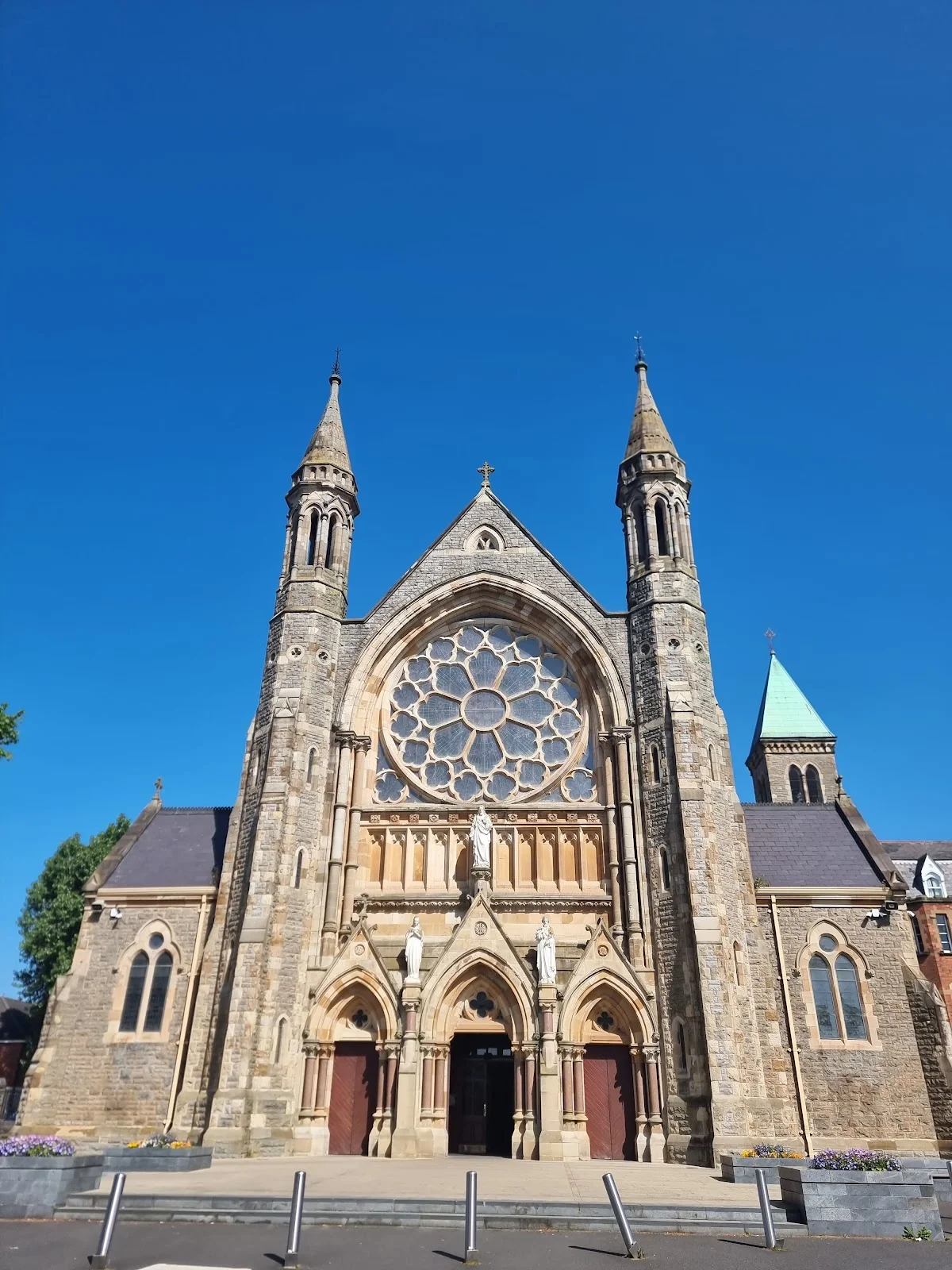
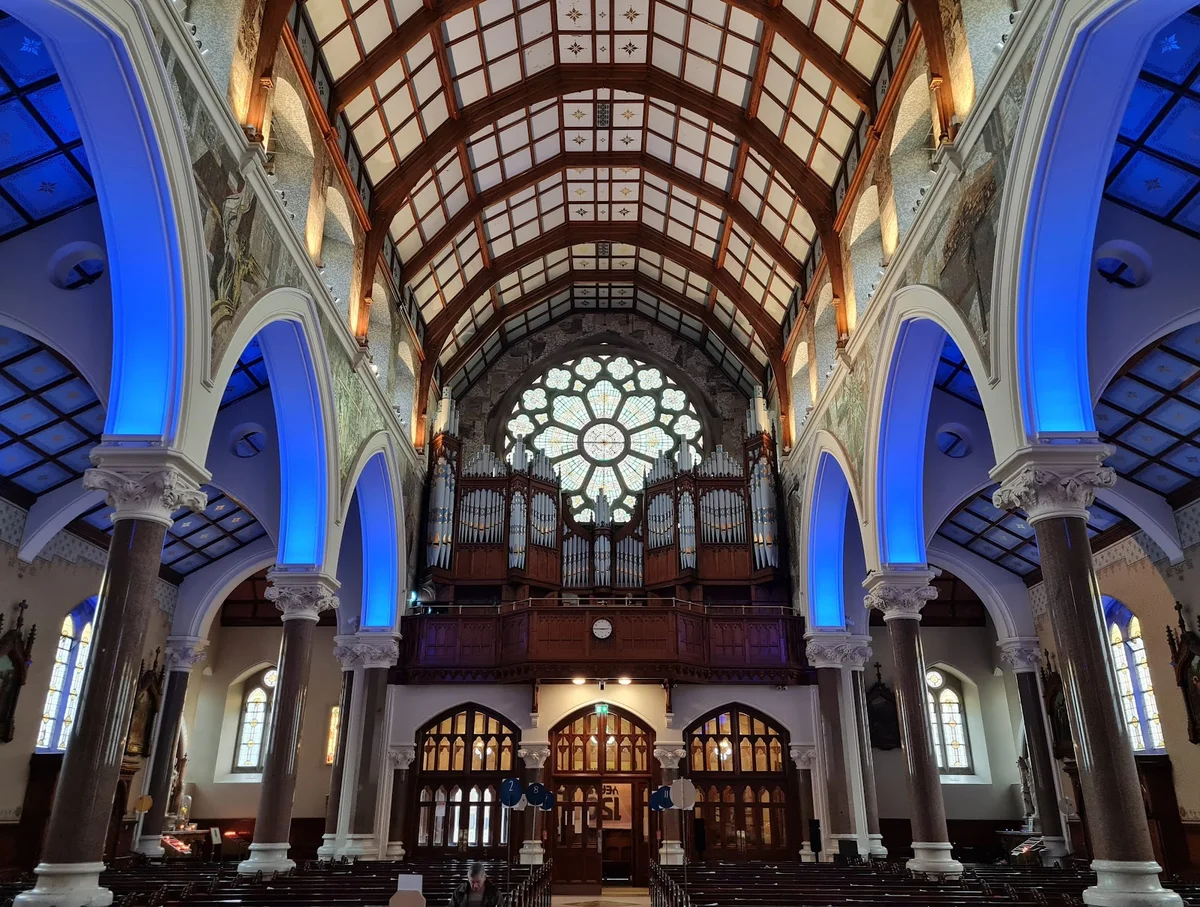
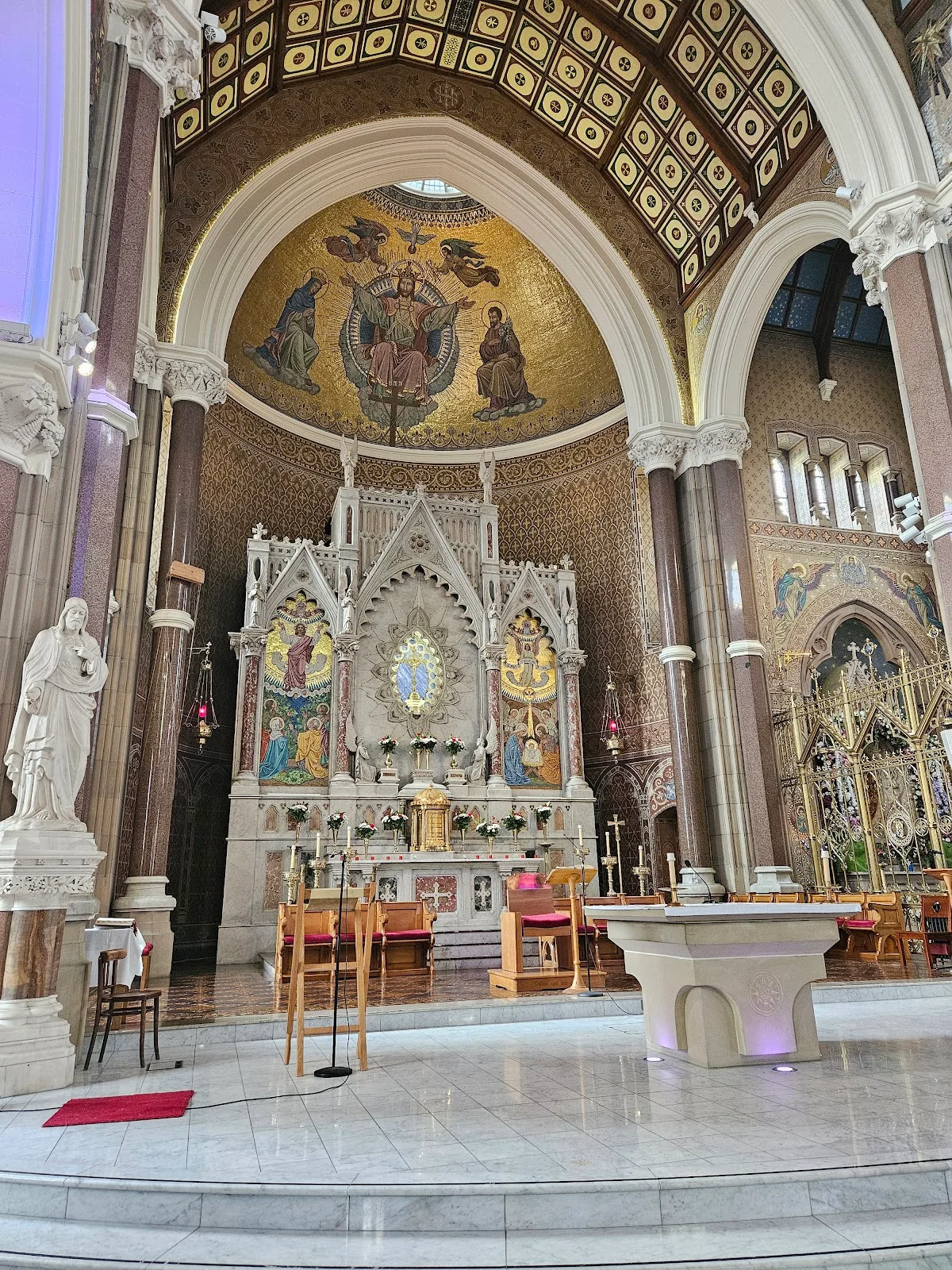
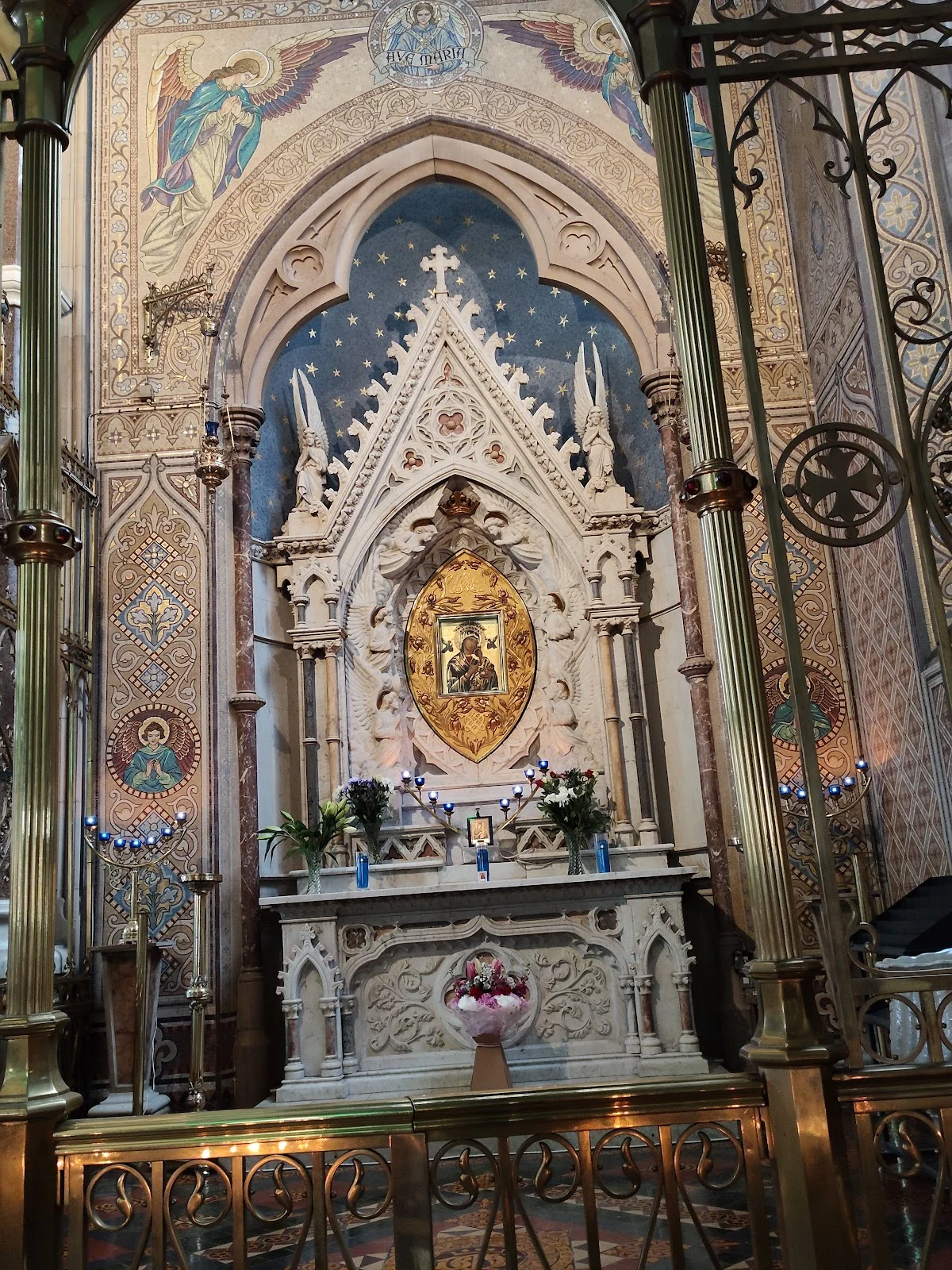
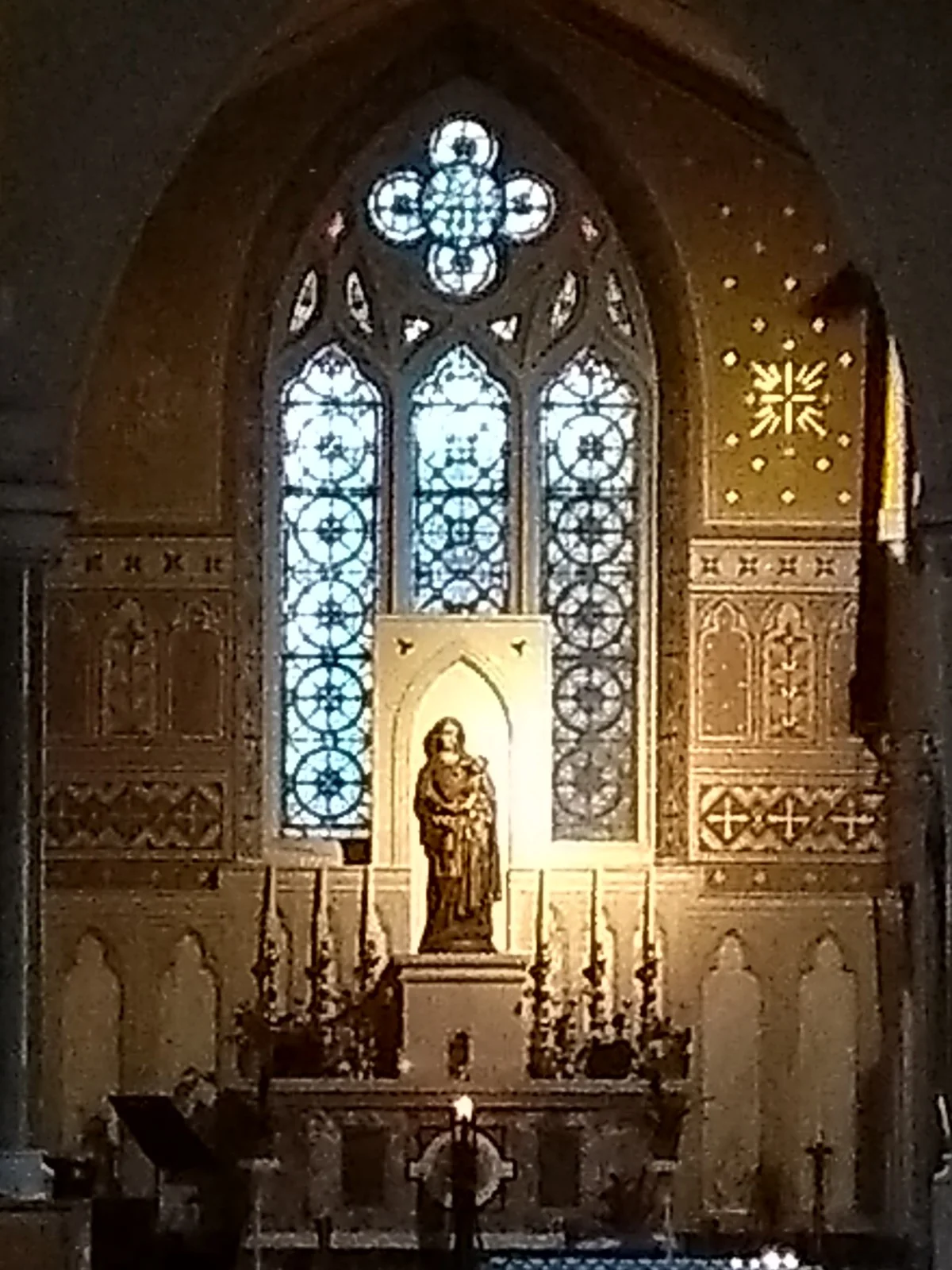
Clonard Monastery, located in Belfast, is a significant site known for its stunning Gothic architecture and serene atmosphere. It was established in 1911 by the Benedictines and features beautiful stained glass windows and intricate stone work. The monastery serves as a place of worship and reflection, attracting both locals and tourists. Surrounding the monastery are tranquil gardens, providing a peaceful retreat from the urban hustle. The site is also notable for its community outreach and engagement, offering various programs and services.
What each source says
- Google 4.8 403
- Tripadvisor 4.5 80
Bar length is review volume, so you can see how much weight sits behind each score. Captured 2026-08-26.
What visitors single out
Liked
- Rich in history and peace Clonard Monastery is steeped in the history of Belfast, particularly its role in the peace process, offering a place for reflection on the area's past.
- Site of Reconciliation Clonard Monastery is renowned for its involvement in reconciliation efforts, offering a great venue for experiencing warmth and devotion, particularly during the annual novena.
- Spiritual haven This active church provides a tranquil environment away from the busy city, perfect for prayer, reflection, and experiencing a sense of spiritual renewal.
- Stunning artistry and architecture The church boasts impressive mosaics, stained glass windows, and a beautiful altar, providing a visually captivating experience for visitors.
- Welcoming atmosphere Visitors of all backgrounds are made to feel at home by the kind priests and community, and the warm and welcoming atmosphere creates a haven for spiritual comfort.
Criticised
- Active church requires sensitivity As a heavily used church by locals, visitors need to be mindful and respectful of ongoing services and activities.
- Can be crowded The popularity of the Monastery, especially during events like the Novena, can lead to large crowds and standing room only conditions.
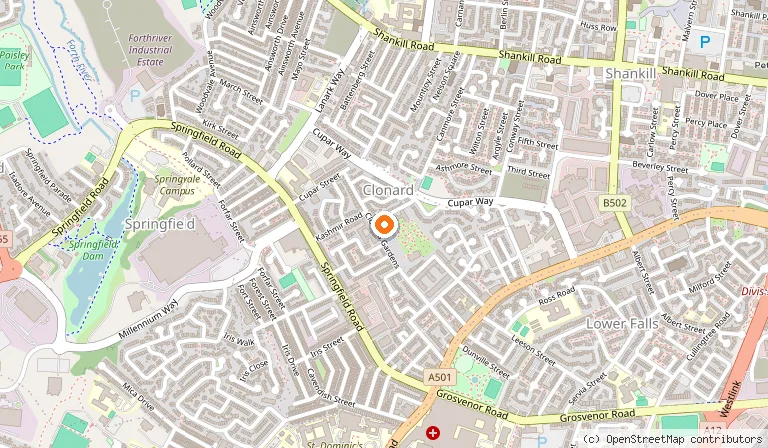
- Location on Republican side Situated on the Republican side of the Peace Wall, access may require navigating politically sensitive areas, requiring sensitivity when visiting.
- Monastery Complex restrictions The monastery complex is generally not open to the public, limiting the visit primarily to the church and reception area.
- Not particularly historic Constructed only about 100 years ago, the building lacks the deep historical significance of older religious sites.
The longer read
Clonard Monastery in Belfast stands out as a place of beauty, peace, and historical significance, according to numerous reviews. Many visitors describe the church as "stunning" and "beautiful," emphasizing the intricate mosaics, stained glass windows, and impressive architecture. Several reviewers specifically mention the beauty of the mosaic work above the altar. The church's organ is also a frequently noted highlight. Visitors consistently describe a sense of peace and spiritual comfort within the monastery. The atmosphere is considered welcoming to all, regardless of background or belief. Many reviewers mention attending Mass or the annual Novena, attesting to the active role the church plays in the local community. The Novena, in particular, is noted as a major event, drawing large crowds and even being broadcast online. The monastery's significance extends beyond its religious role. Several reviews highlight its importance during the Troubles, noting that it served as a place of refuge and played a role in the peace process. Some reviewers specifically mention the work of Father Alec Reid in facilitating negotiations. Its location on the interface between communities is also noted. The monastery's historical importance is emphasized by reviewers who took black taxi tours, which often include a stop at Clonard to learn about its role in the community and the peace process. While one review mentions that the building is only about 100 years old, and thus of no great historical significance, many others attest to the contrary, stating that it is steeped in local history. Some practical aspects are also mentioned in the reviews. The church is described as easily accessible, including for disabled people. There is a shop where visitors can purchase religious items. The priests are noted as being friendly and available for conversation. Overall, Clonard Monastery is presented as a must-see attraction in Belfast, offering a combination of artistic beauty, spiritual solace, and historical significance.
A synthesis of published third-party reviews. Not written by Breaks.
Getting there
- Phone
- +44 28 9044 5950
- Website
- clonard.com
| Mon | 9:00 - 17:00 |
|---|---|
| Tue | 9:00 - 17:00 |
| Wed | 9:00 - 17:00 |
| Thu | 9:00 - 17:00 |
| Fri | 9:00 - 17:00 |
| Sat | 9:00 - 15:00 |
| Sun | 9:00 - 13:00 |
Against the neighbourhood
Rated 4.8 against a median of 4.5 across the 3 venues we hold for Gaeltacht Quarter, where the most-reviewed is Peace Wall Belfast.
Still deciding?
- What is the historical significance of Clonard Monastery in Belfast?
- What are the opening times and are guided tours available at Clonard Monastery?
- What are the main architectural features visitors should look out for at Clonard Monastery?
- Are there any regular events or religious services that visitors can attend at Clonard Monastery?
- What other attractions or places of interest are located near Clonard Monastery in Belfast?
What this page cannot tell you
- Descriptions and review summaries are supplied by the source index and are reproduced as published; they are not independently verified by Breaks.
- Ratings and review counts are point-in-time snapshots and drift constantly. Check the venue's own site or the rating provider for the current figure.
- Opening hours change seasonally and at short notice. Confirm with the venue before travelling.
- Category labels come from the source index and are occasionally wrong — a venue may be filed under a type that does not match how it trades.
- Straight-line distances understate real walking distance, especially where a river or railway sits between two points.