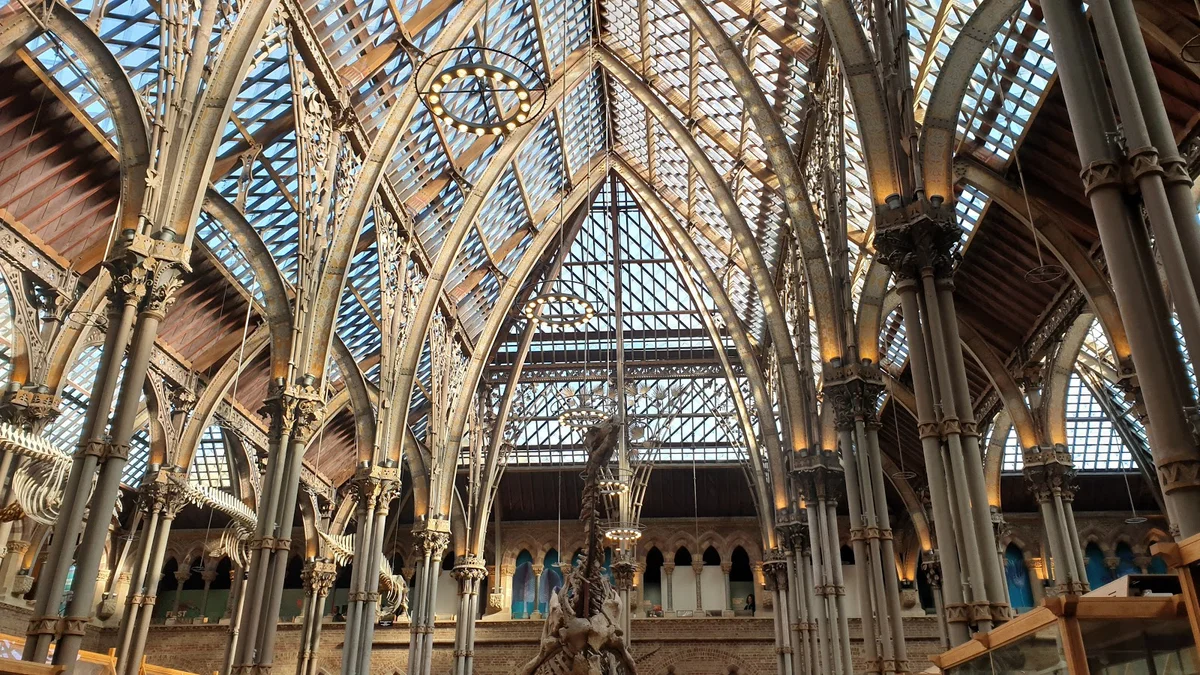
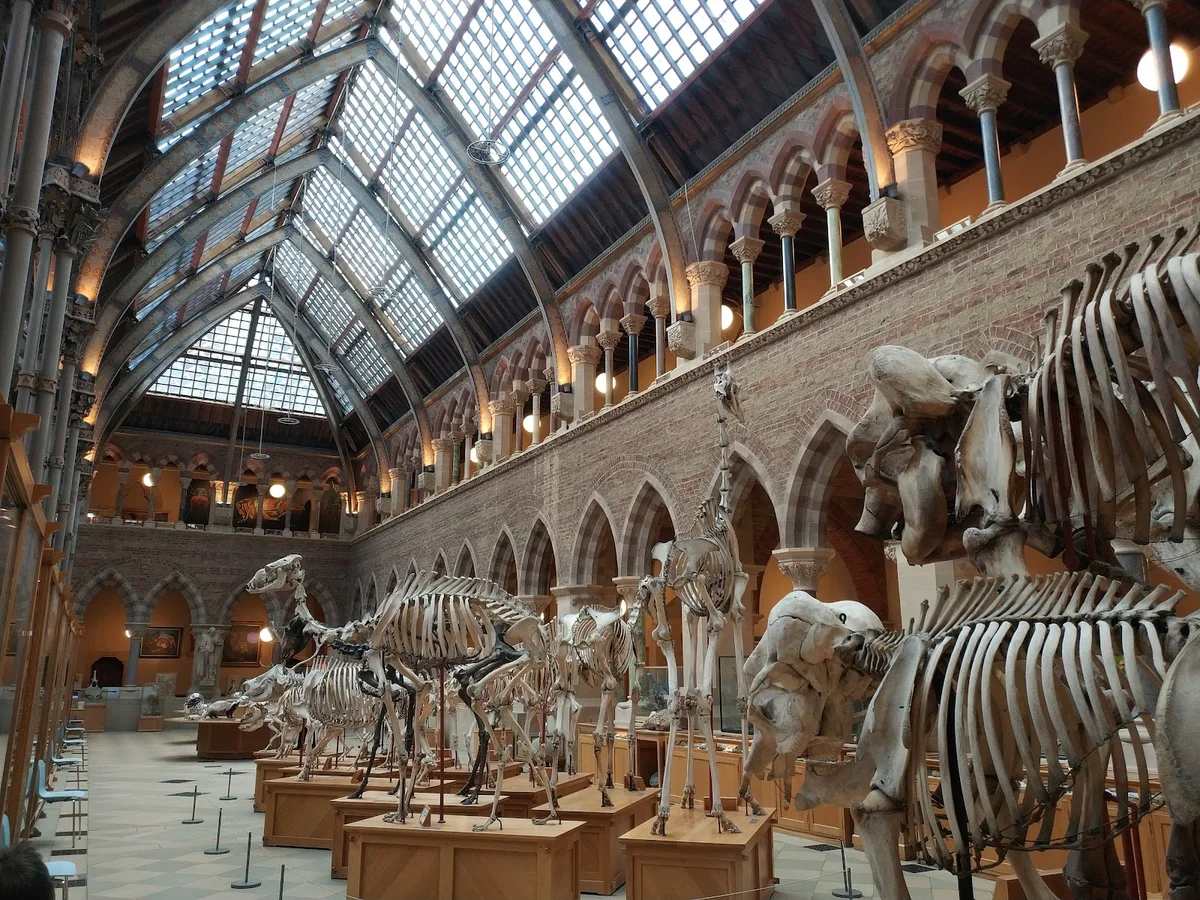
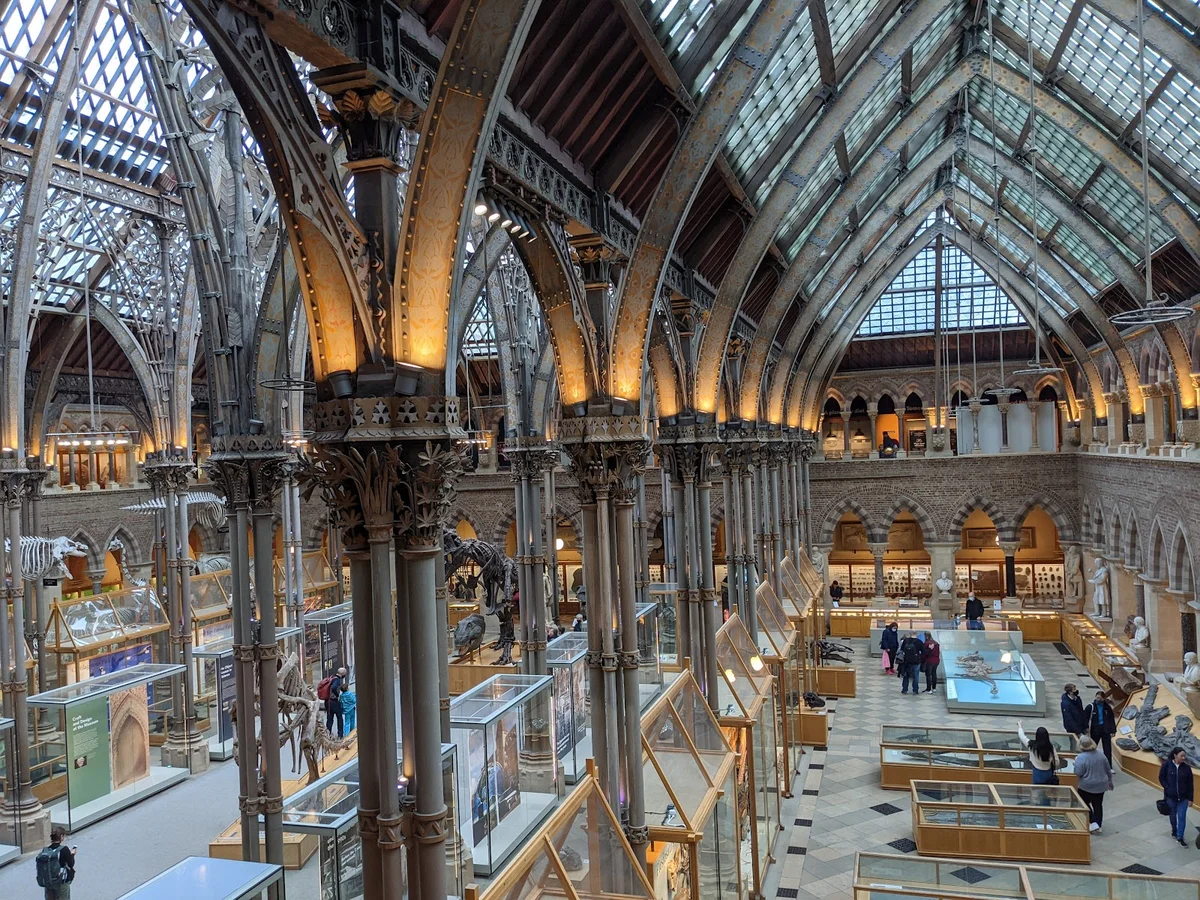
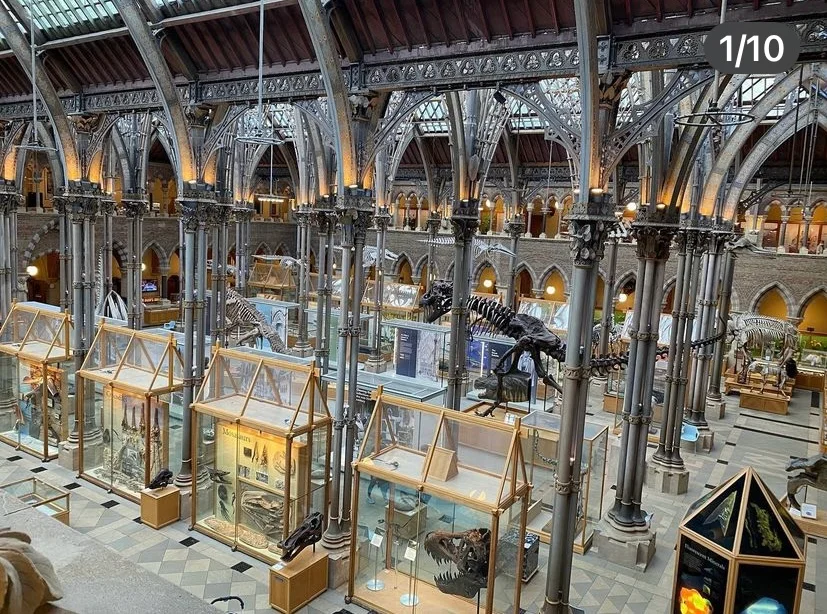


The Oxford University Museum of Natural History, established in 1860, is renowned for its stunning architecture and extensive collection of specimens. It houses important scientific exhibits, including fossils, minerals, and biological specimens, showcasing the diversity of life on Earth. The museum is famous for its impressive dinosaur skeletons and the ornate architecture of its Victorian building, which enhances the visitor experience. As a center for research and education, it attracts millions of visitors each year who are eager to learn about natural history.
What each source says
- Google 4.8 10,856
- Tripadvisor 4.5 2,505
Bar length is review volume, so you can see how much weight sits behind each score. Captured 2026-08-26.
What visitors single out
Liked
- Convenient Amenities The museum provides convenient amenities such as a cafe, gift shop, and restrooms, making it easy to spend a comfortable and enjoyable day exploring.
- Extensive Collection The museum features a wide range of natural history specimens, including dinosaur skeletons, fossils, minerals, and zoological exhibits, providing something of interest for all ages.
- Family-Friendly With interactive displays and engaging exhibits, the museum is well-suited for families with children, offering a fun and educational experience.
- Free Admission This museum offers free entry, making it accessible to everyone and a great option for budget-conscious travelers and families.
- Impressive Architecture The museum is housed in a stunning Victorian Gothic building with a dramatic glass roof and intricate ironwork, offering a visually appealing experience in addition to the exhibits.
Criticised
- Can Get Crowded The museum can get quite busy, especially during peak times and school holidays, which may make it harder to fully enjoy some exhibits.
- Limited Food Options The cafeteria has a limited variety of food options, and the food quality is reported as just okay.
- Not All Originals Some dinosaur skeletons are casts and not original specimens, which may disappoint visitors seeking authentic artifacts.
- Spelling Errors Some exhibits have spelling errors on the signage, detracting from the overall presentation.
- Variable Dodo Display The famous Oxford Dodo is not always on display, which can be disappointing for visitors specifically hoping to see it.
The longer read
The Oxford University Museum of Natural History is highly praised as a must-see destination in Oxford, particularly for families and those interested in natural history. Entry is free, though donations are welcomed. The museum is housed in a stunning Victorian Gothic building, with a dramatic iron-and-glass roof that allows natural light to flood the interior, creating a cathedral-like atmosphere. The architecture itself is considered a major draw. Many reviewers note that the museum connects to the Pitt Rivers Museum, offering the opportunity to visit both in one trip.
The museum boasts an impressive and extensive collection of natural history specimens, including dinosaur skeletons (though some are casts), fossils, minerals, and zoological specimens. Exhibits cover zoology, geology, and paleontology, tracing the development of planet Earth and the evolution of its inhabitants. Displays are generally well-laid out, informative, and engaging for all ages, with interactive elements. Several reviewers specifically mention the dinosaur exhibits as highlights. Some exhibits are designed to be touched, enhancing the experience, especially for children.
Staff are frequently described as helpful and friendly. A cafe on the first floor offers views of the exhibition. Clean restrooms are available. The gift shop is available though some reviewers found it expensive.
Allow at least 2-4 hours to explore the museum adequately, and potentially longer if also visiting the Pitt Rivers Museum. Some reviewers even suggest allocating two days to fully experience both museums. While the museum can get busy, especially during peak times and holidays, reviewers generally found it manageable and less crowded than the Natural History Museum in London, making it more enjoyable for some. The museum is wheelchair accessible with a lift. The museum also hosts family-friendly events. Some reviewers noted that the museum has interesting exhibits about women in science. Some reviewers noted that the temperature inside the museum could be warm.
A synthesis of published third-party reviews. Not written by Breaks.
Getting there
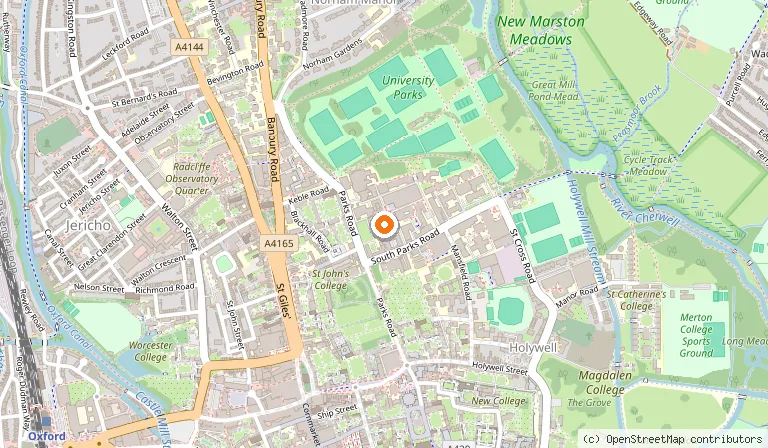
- Phone
- +44 1865 272950
- Website
- oumnh.ox.ac.uk
| Mon | 10:00 - 17:00 |
|---|---|
| Tue | 10:00 - 17:00 |
| Wed | 10:00 - 17:00 |
| Thu | 10:00 - 17:00 |
| Fri | 10:00 - 17:00 |
| Sat | 10:00 - 17:00 |
| Sun | 10:00 - 17:00 |
Against the neighbourhood
Rated 4.7 against a median of 4.6 across the 88 venues we hold for Oxford, where the most-reviewed is Bodleian Library.
Still deciding?
- What are the main exhibits and must-see highlights at the Oxford University Museum of Natural History?
- Are there activities or exhibits at the museum that are especially engaging for children or families?
- What are the admission fees, opening hours, and any ticket requirements for visiting the museum?
- What unique or rare collections does the museum have that set it apart from other natural history museums?
- How much time should I plan to spend at the Oxford University Museum of Natural History to see the major exhibits?
What this page cannot tell you
- Descriptions and review summaries are supplied by the source index and are reproduced as published; they are not independently verified by Breaks.
- Ratings and review counts are point-in-time snapshots and drift constantly. Check the venue's own site or the rating provider for the current figure.
- Opening hours change seasonally and at short notice. Confirm with the venue before travelling.
- Category labels come from the source index and are occasionally wrong — a venue may be filed under a type that does not match how it trades.
- Straight-line distances understate real walking distance, especially where a river or railway sits between two points.