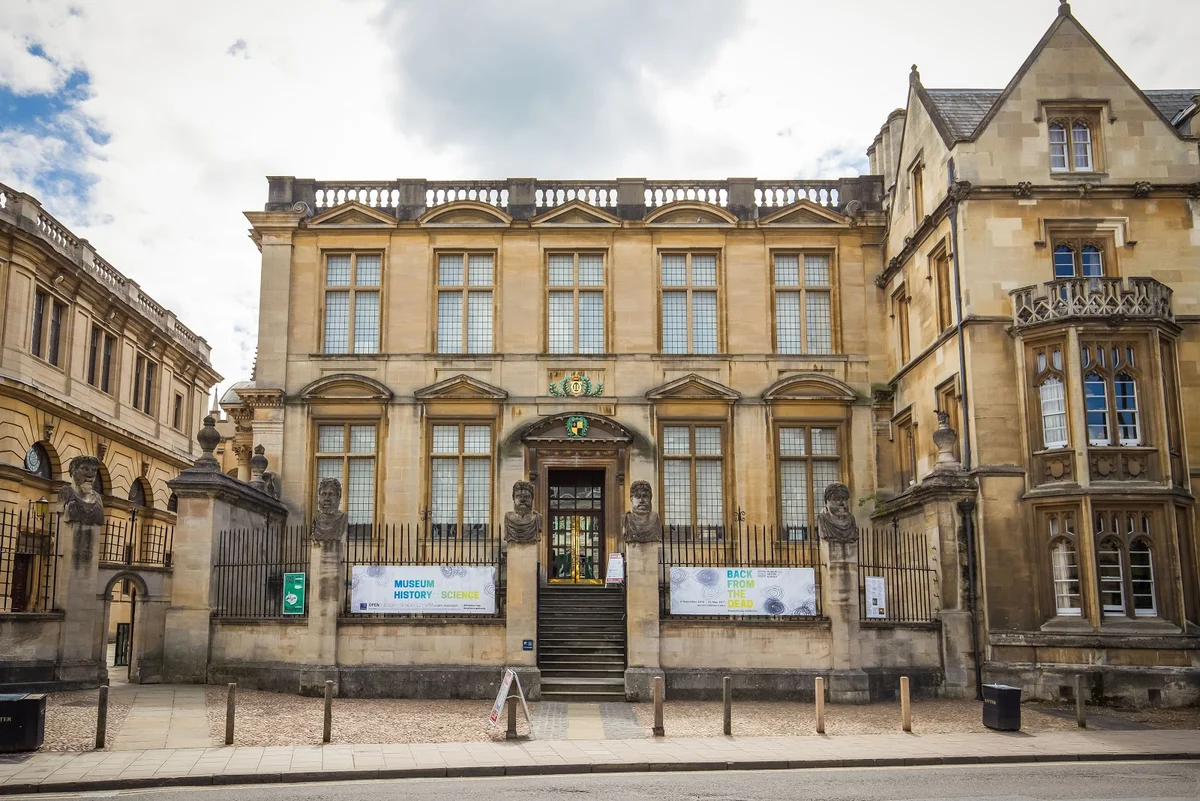
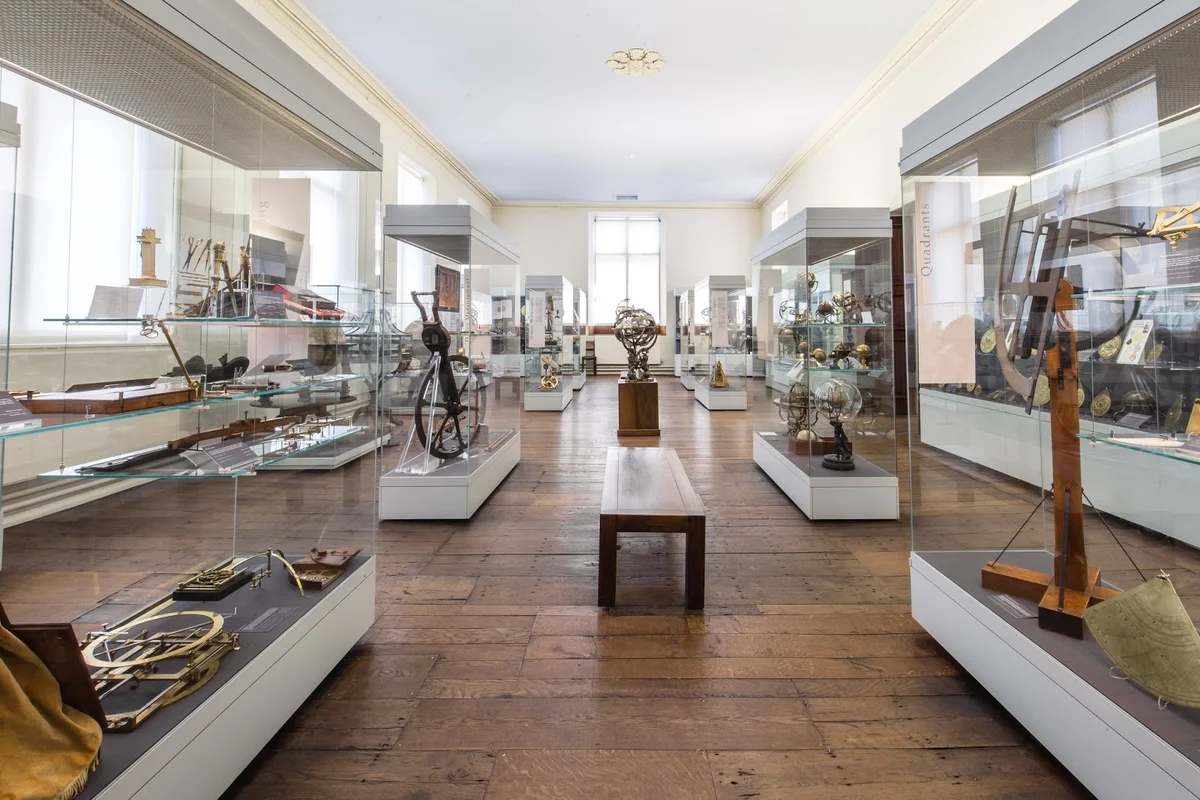
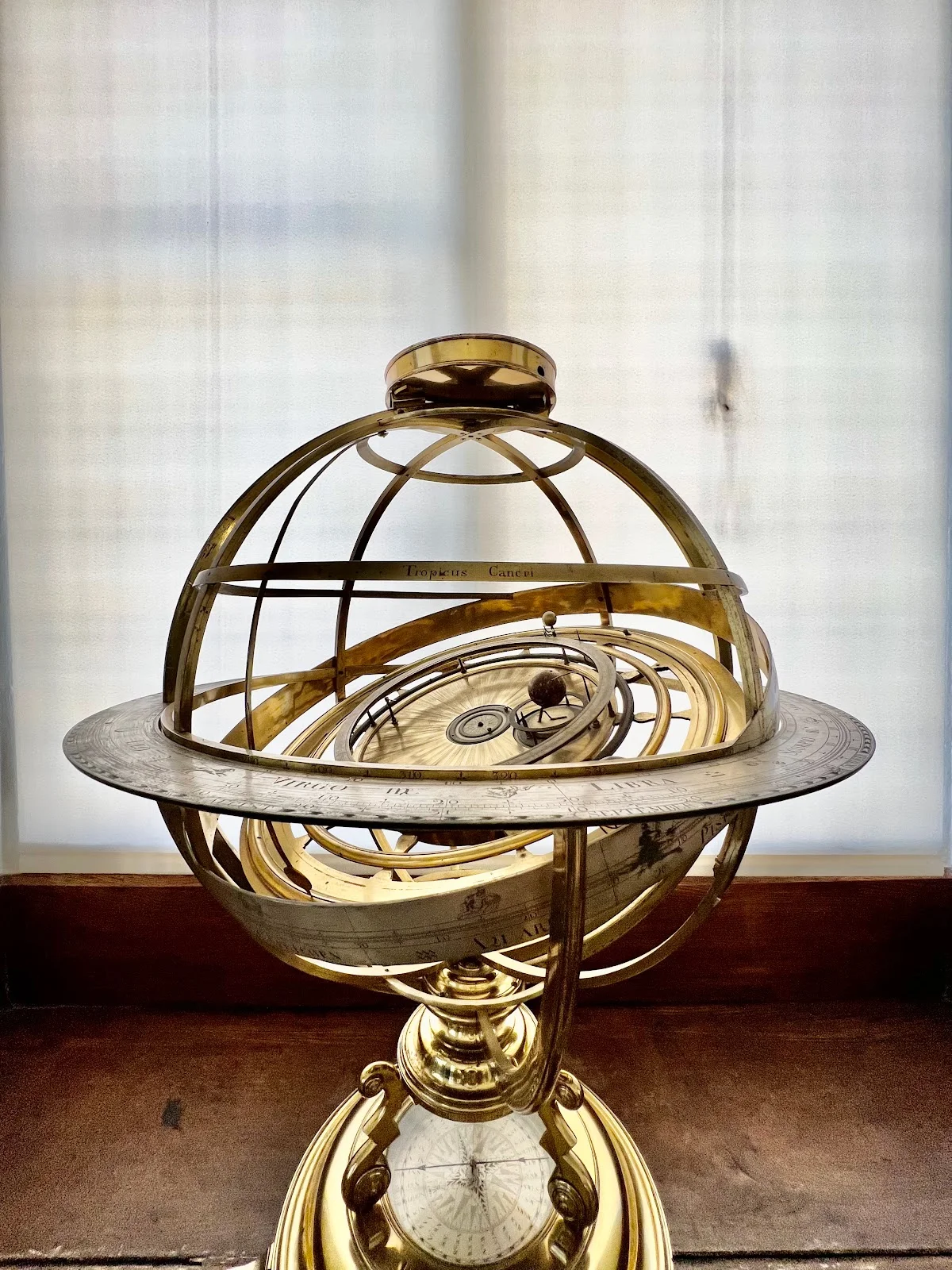
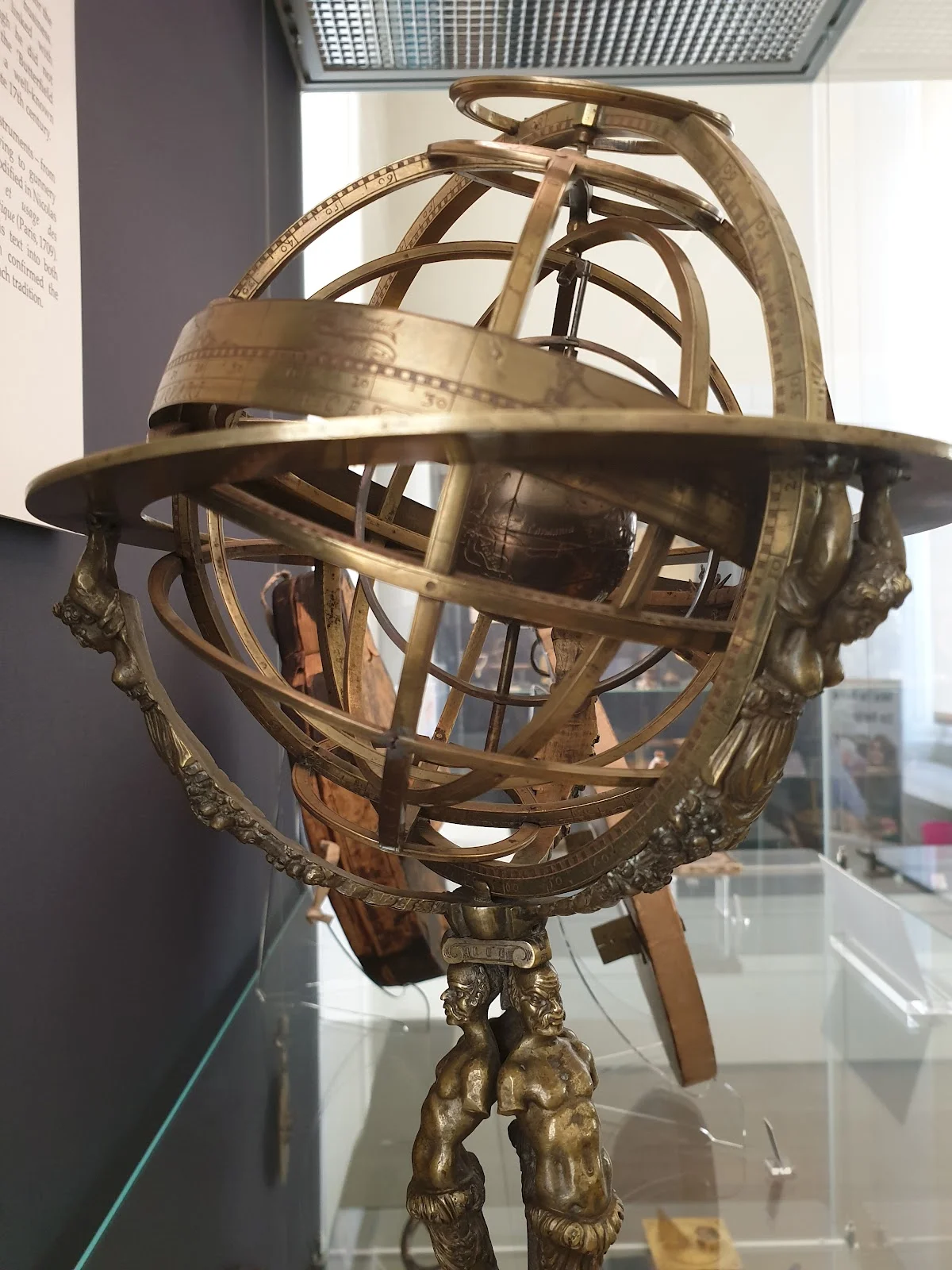
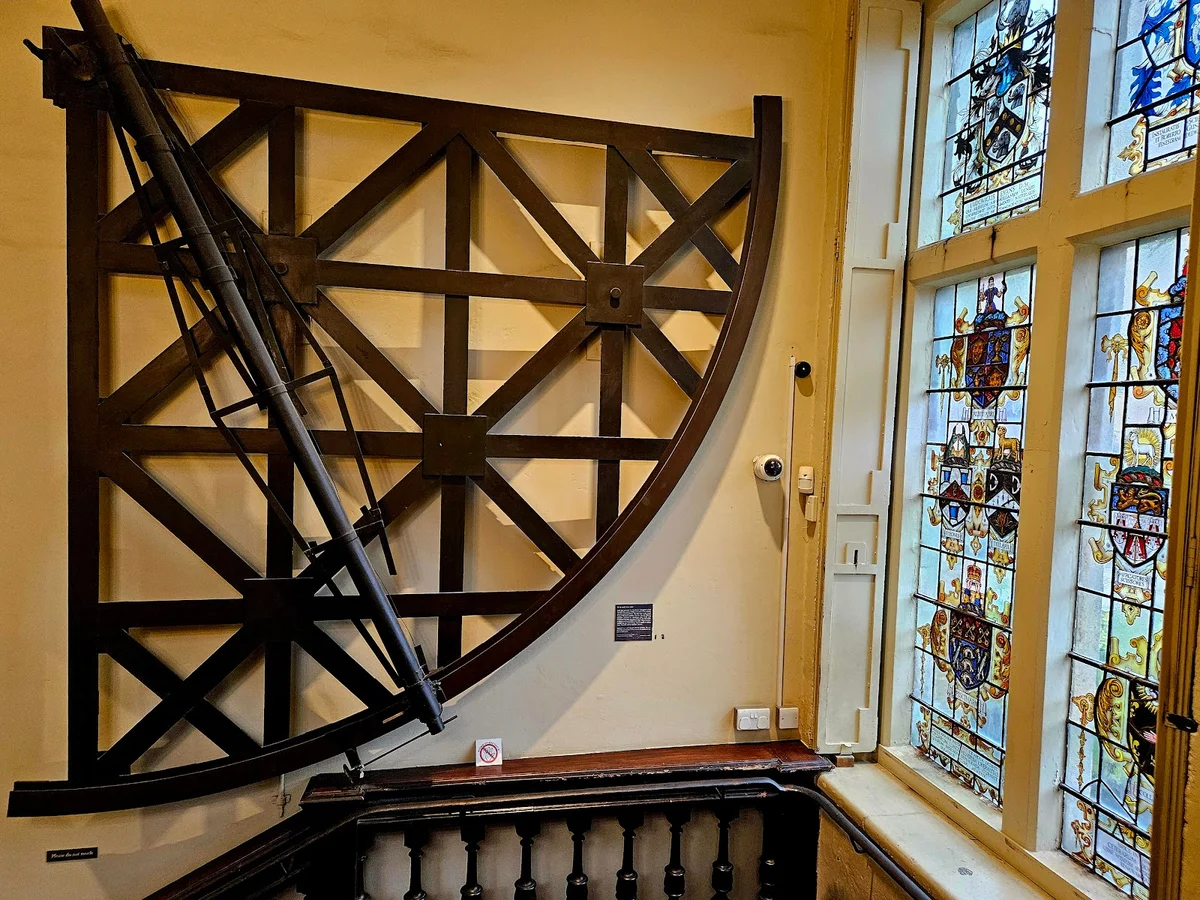
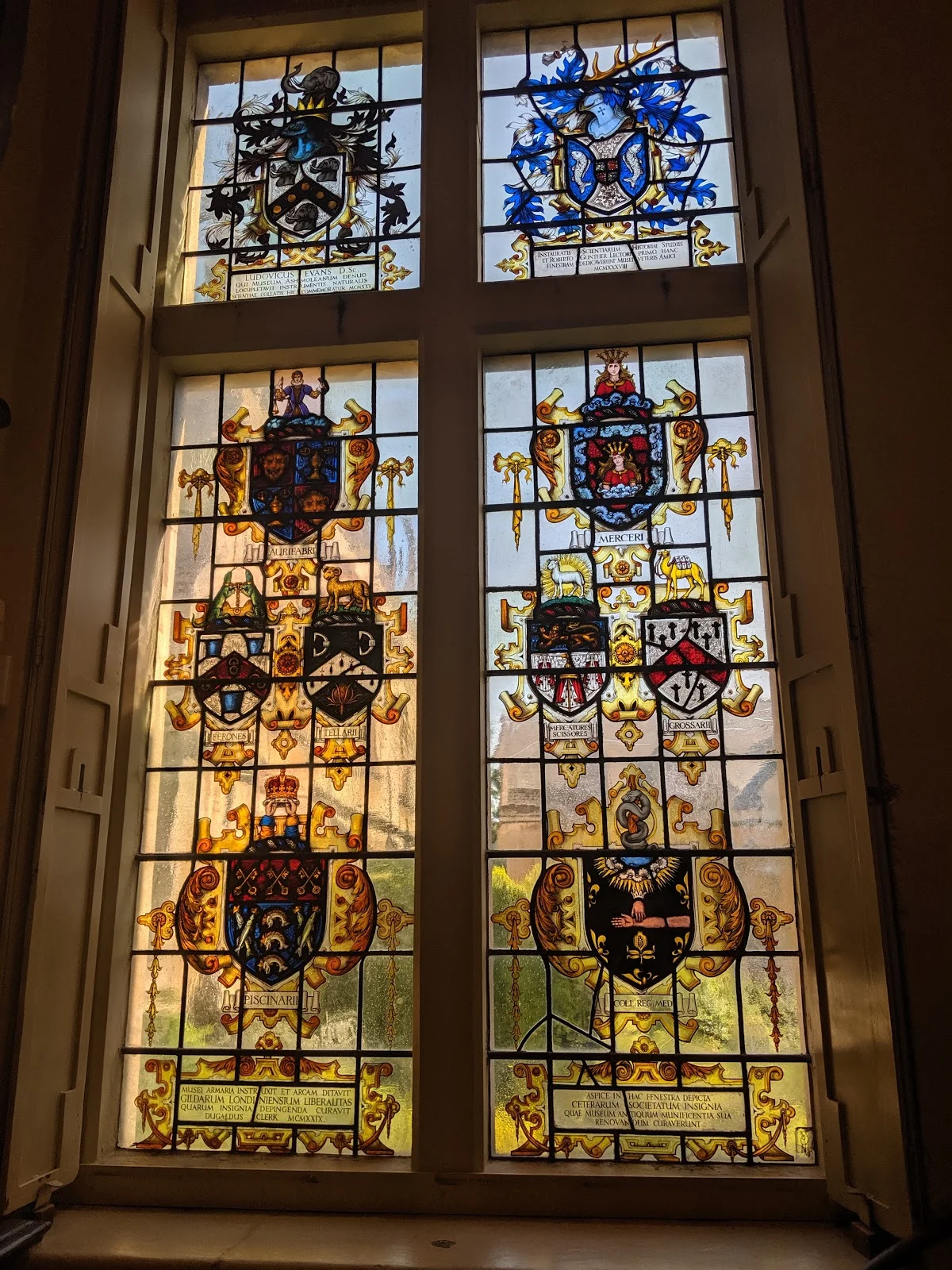
The History of Science Museum in Oxford is home to an impressive collection of scientific instruments dating back centuries. Housed in a historic building, the museum features exhibits that highlight the development of scientific thought through various epochs. Visitors can explore artifacts such as telescopes, astrolabes, and early microscopes, many of which belonged to notable figures in the history of science. The museum also offers engaging displays about the evolution of technology and its impact on society, making it a valuable destination for anyone interested in the rich history of science.
What each source says
- Google 4.4 2,408
- Viator 4.9 819
- Tripadvisor 4.0 646
Bar length is review volume, so you can see how much weight sits behind each score. Captured 2026-08-26.
What visitors single out
Liked
- Central Oxford Location Situated in the heart of Oxford, the museum is conveniently located near other attractions, making it easy to incorporate into a day of sightseeing.
- Einstein's Blackboard A major highlight is the display of the blackboard used by Albert Einstein during his lectures at Oxford, a must-see for science enthusiasts and history buffs.
- Free Admission The museum offers free entry, making it accessible to a wide audience and providing excellent value for those interested in science history.
- Helpful and Friendly Staff Visitors often praise the accommodating and knowledgeable staff who are willing to share insights and answer questions, enriching the overall experience.
- Unique Scientific Instruments The museum boasts a unique collection of scientific instruments from various periods, showcasing the evolution of scientific tools and techniques.
Criticised
- Accessibility Issues The museum lacks comprehensive wheelchair accessibility, making it difficult or impossible for visitors with mobility issues to fully explore the collections.
- Focus on Instruments over History The museum focuses more on scientific instruments than on the broader history of science, which may disappoint visitors seeking a more comprehensive narrative.
- Limited Amenities The museum lacks on-site amenities like toilets and a café, requiring visitors to seek these facilities elsewhere.
- Limited Organization and Explanations Some visitors find the organization of exhibits confusing and feel that more detailed explanations of the objects and their significance are needed.
- Small Size and Crowding The museum's small size can lead to overcrowding, potentially hindering the ability to fully enjoy and understand the exhibits.
The longer read
The History of Science Museum in Oxford offers a unique glimpse into the evolution of scientific instruments and thought, housed within a historic building that was the original home of the Ashmolean Museum. Admission is free, with a suggested donation, making it an accessible option for visitors. A highlight for many is the blackboard used by Albert Einstein during a lecture at Oxford, considered an iconic piece of scientific history. The museum's collection spans various scientific disciplines, including astronomy, mathematics, medicine, and physics, showcasing instruments from different periods, including astrolabes, sundials, telescopes, microscopes, and early calculators. Some displays also feature more contemporary items, such as a glass sculpture representing the Oxford-AstraZeneca COVID-19 vaccine. Many reviewers found the displays interesting and informative, particularly appreciating the insight into how scientific advancements were achieved through the instruments on display. The staff is frequently described as friendly, helpful, and knowledgeable, enhancing the visitor experience. Some reviewers mentioned receiving in-depth explanations about specific items, such as astrolabes, from staff members. However, a recurring concern is the museum's limited size, which can lead to a feeling of being crowded, and some exhibits are densely packed. Several reviewers noted that the museum could benefit from more space to allow for better presentation and more detailed explanations of the exhibits. A few reviewers noted a lack of organization in the layout and wished for clearer explanations of the objects. Some displays may lack sufficient information, and some display cases have even been found empty during visits. The museum may be more appealing to adults and those with an existing interest in science or scientific history, as it has limited interactive elements for children. Additionally, accessibility is a concern, as the building has multiple floors and lacks an elevator to all levels, potentially posing a challenge for visitors with mobility issues. While the museum offers a glimpse into scientific history, some felt it leaned more towards the history of scientific instruments rather than a broader history of science. Despite these drawbacks, the museum is considered worth a visit, especially given its central location and free admission. The building itself and items such as the equipment used to develop penicillin and the historic collection of astrolabes add to the experience.
A synthesis of published third-party reviews. Not written by Breaks.
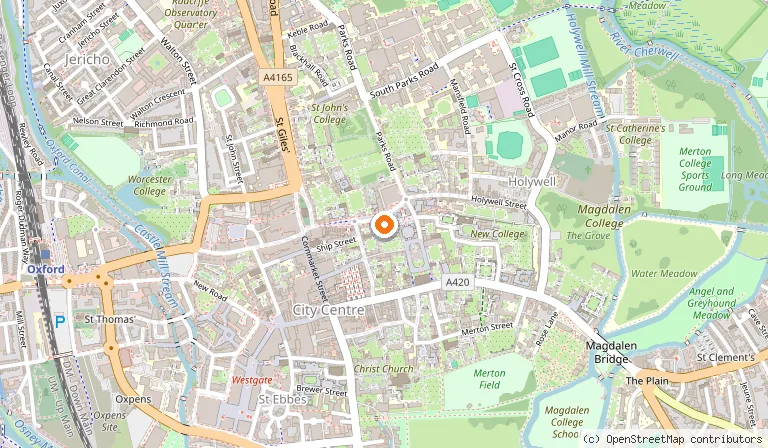
Getting there
- Phone
- +44 1865 277293
- Website
- hsm.ox.ac.uk
| Mon | Closed |
|---|---|
| Tue | 12:00 - 17:00 |
| Wed | 12:00 - 17:00 |
| Thu | 12:00 - 17:00 |
| Fri | 12:00 - 17:00 |
| Sat | 12:00 - 17:00 |
| Sun | 12:00 - 17:00 |
Against the neighbourhood
Rated 4.4 against a median of 4.6 across the 88 venues we hold for Oxford, where the most-reviewed is Bodleian Library.
Still deciding?
- What are the current opening hours and seasonal variations for the History of Science Museum in Oxford?
- Which specific instruments or collections, such as the telescopes or astrolabes, are considered must‑see highlights for first‑time visitors?
- Are guided tours or audio guides offered at the museum, and how can I book them in advance?
- Is the History of Science Museum suitable for families with children, and are there interactive activities or child‑focused displays?
- How much time should I allocate for a thorough visit to the History of Science Museum, including the main galleries and any temporary exhibitions?
What this page cannot tell you
- Descriptions and review summaries are supplied by the source index and are reproduced as published; they are not independently verified by Breaks.
- Ratings and review counts are point-in-time snapshots and drift constantly. Check the venue's own site or the rating provider for the current figure.
- Opening hours change seasonally and at short notice. Confirm with the venue before travelling.
- Category labels come from the source index and are occasionally wrong — a venue may be filed under a type that does not match how it trades.
- Straight-line distances understate real walking distance, especially where a river or railway sits between two points.