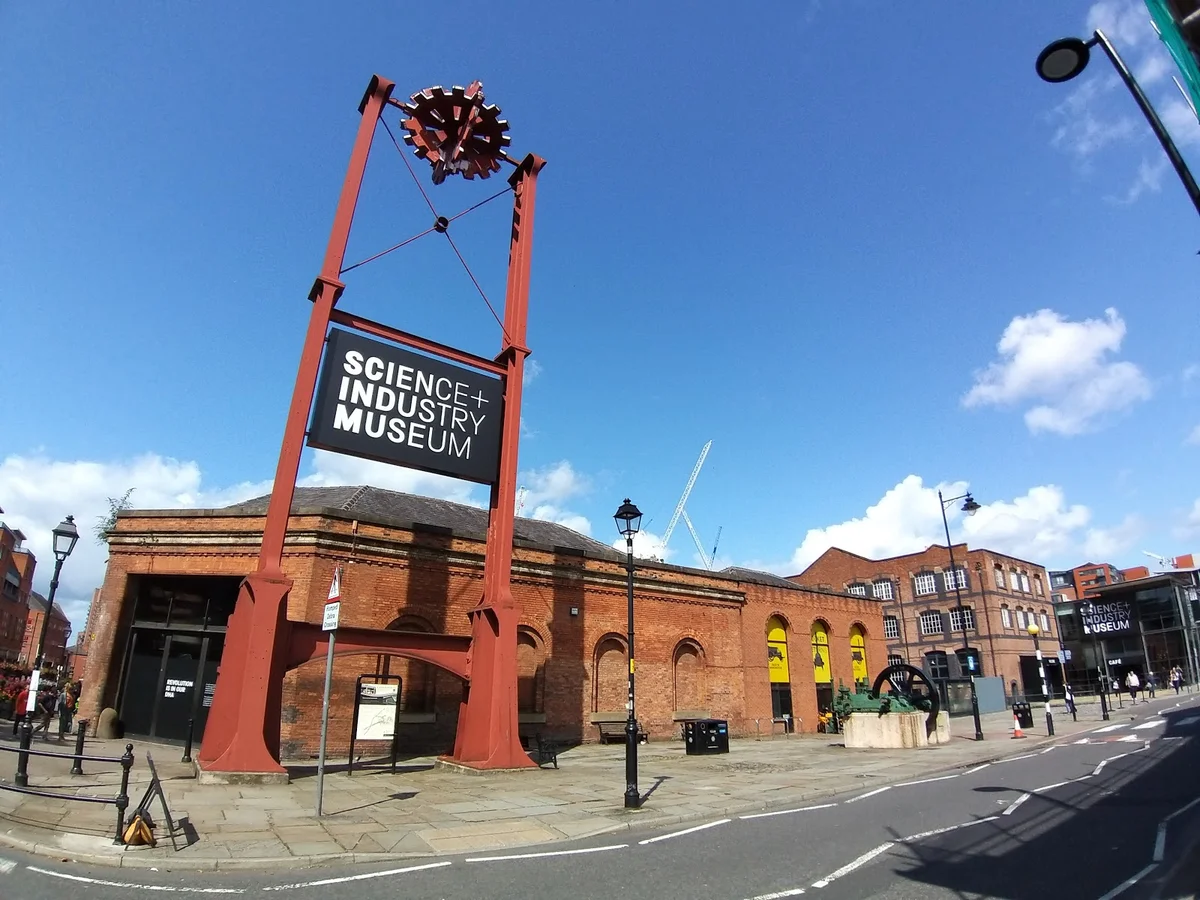
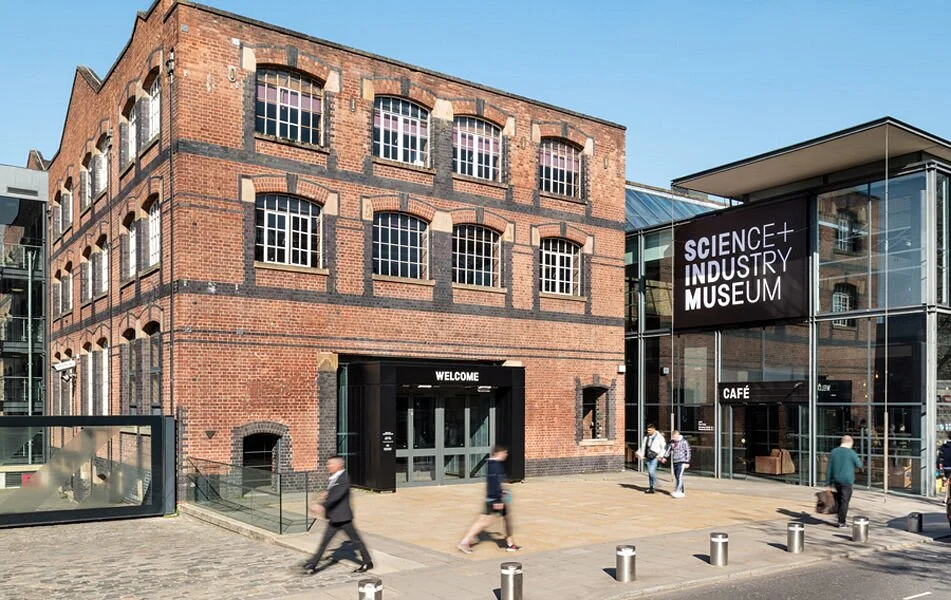
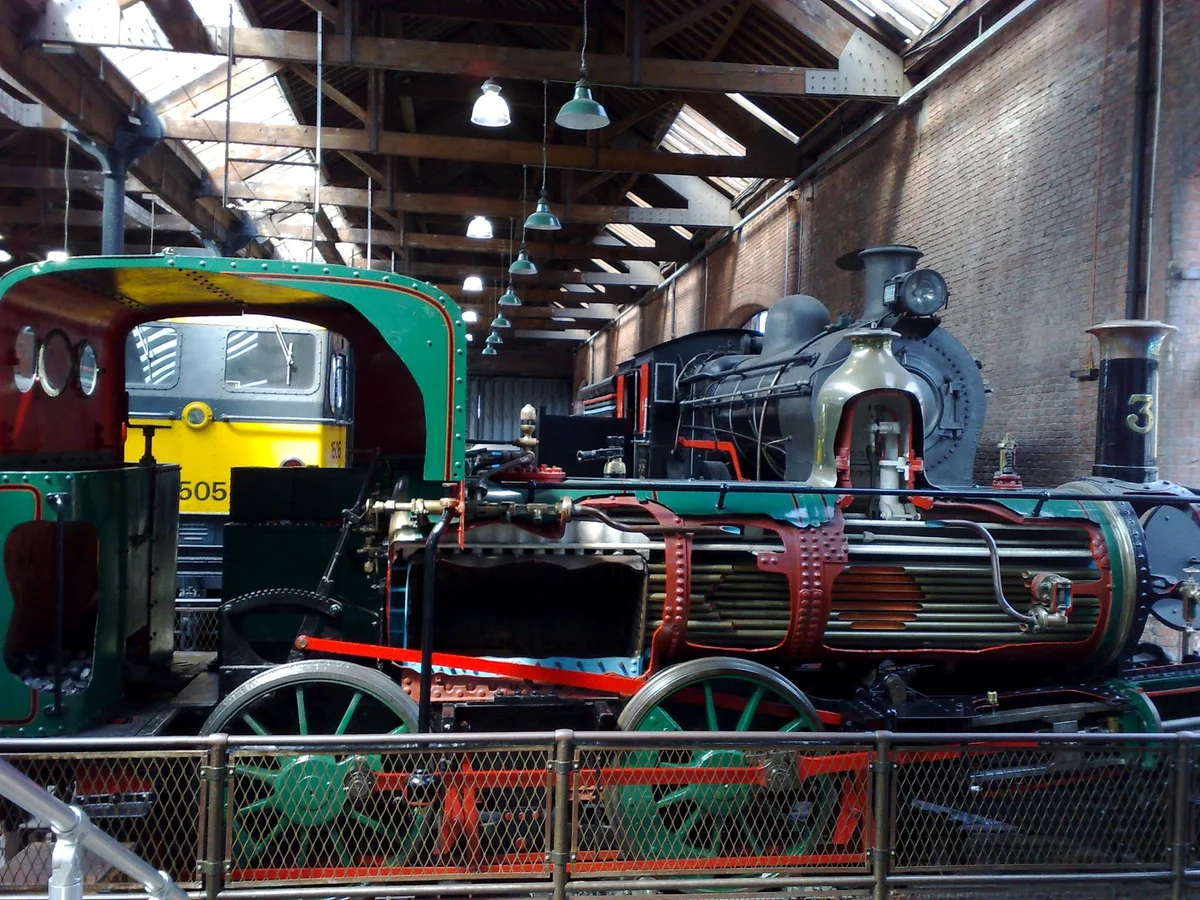
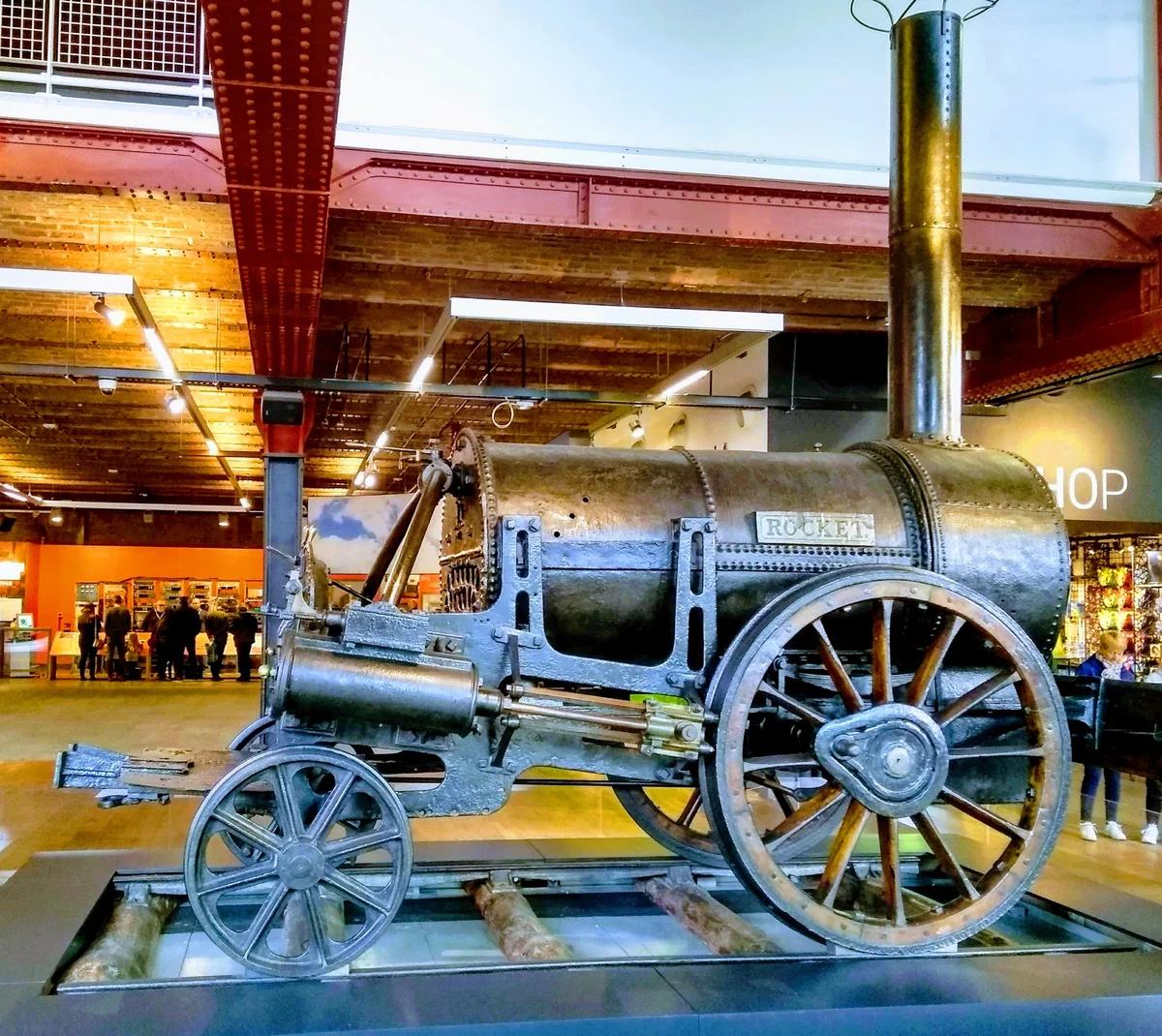
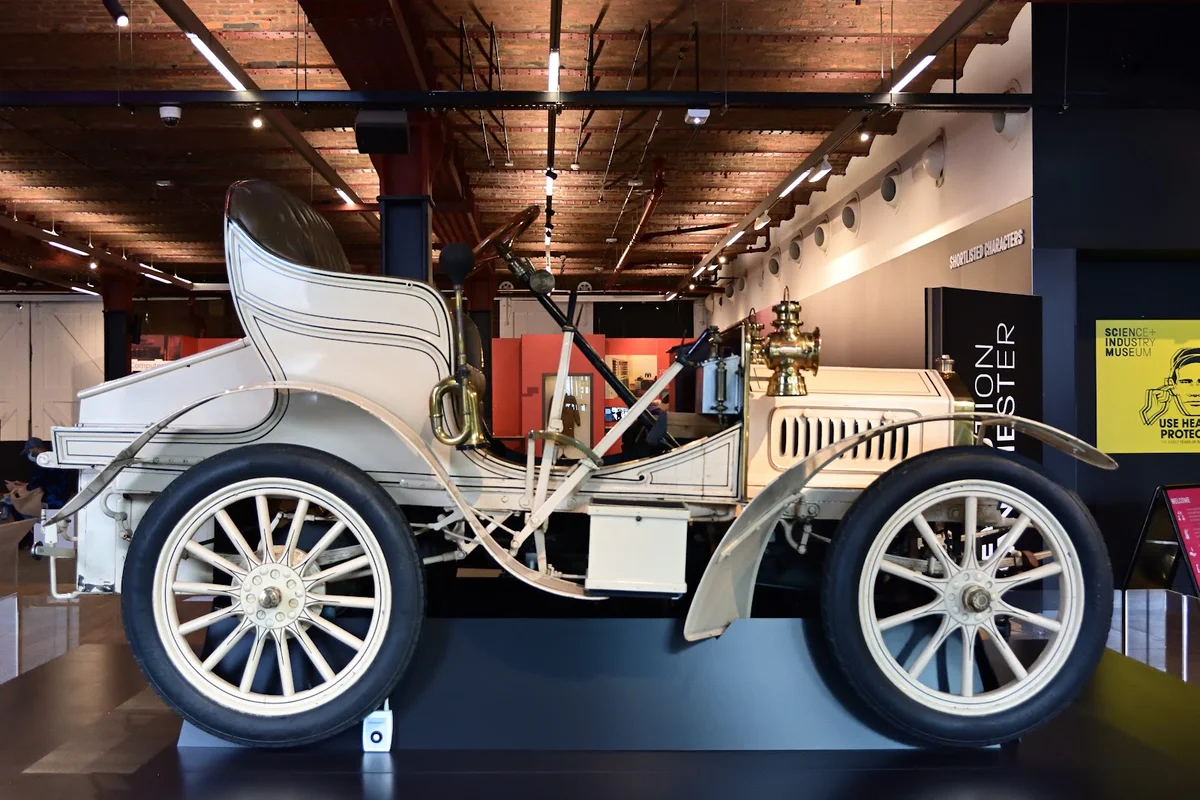
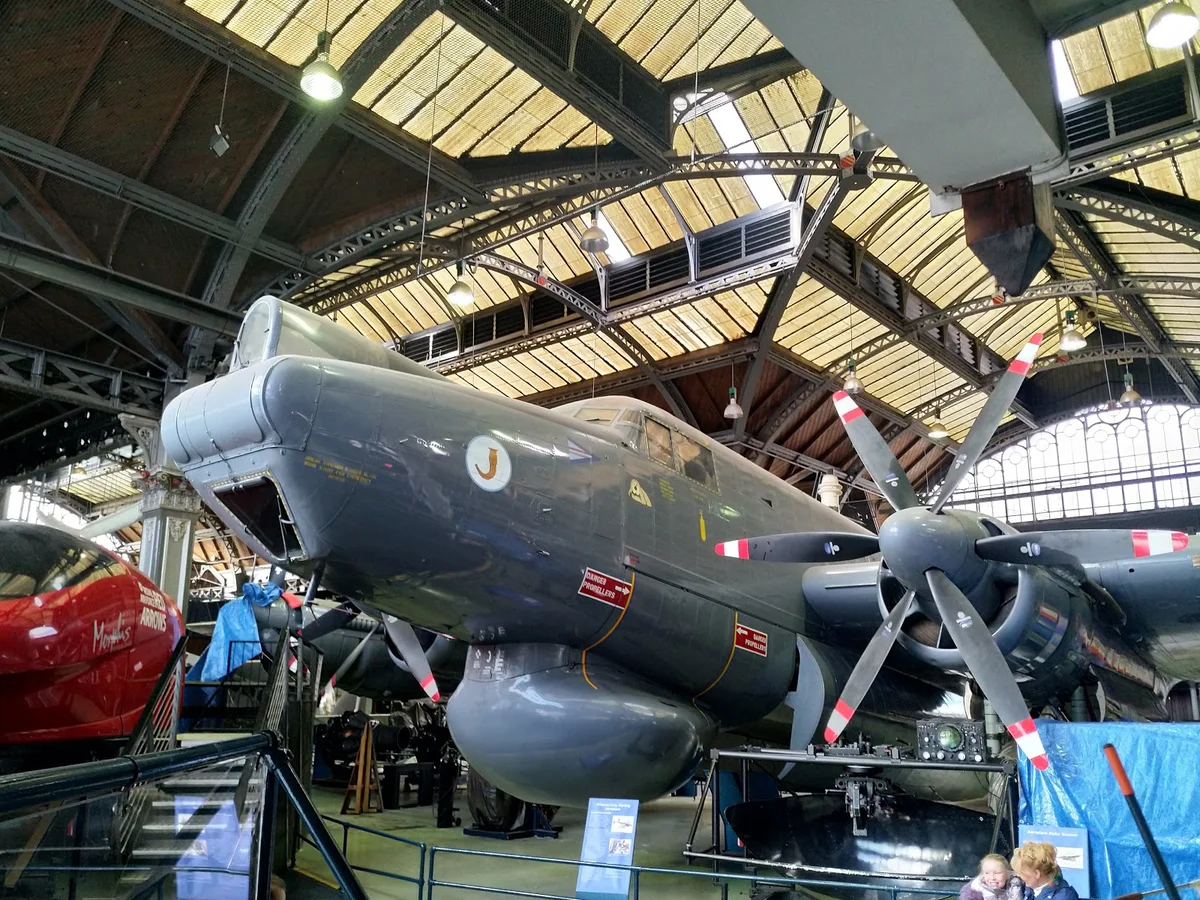
The Science and Industry Museum in Manchester offers a fascinating insight into the region's rich industrial history. Housed in a former railway station, the museum showcases exhibits on the development of science, technology, and industry. Visitors can explore interactive displays, historical locomotives, and the world's first railway station. The museum emphasizes Manchester's pivotal role in the Industrial Revolution, making it an educational experience for visitors of all ages. The site also includes beautiful gardens and outdoor displays, providing a pleasant atmosphere to learn and engage.
What each source says
- Google 4.4 19,451
- Tripadvisor 4.5 8,244
- Viator 4.0 23
Bar length is review volume, so you can see how much weight sits behind each score. Captured 2026-08-26.
What visitors single out
Liked
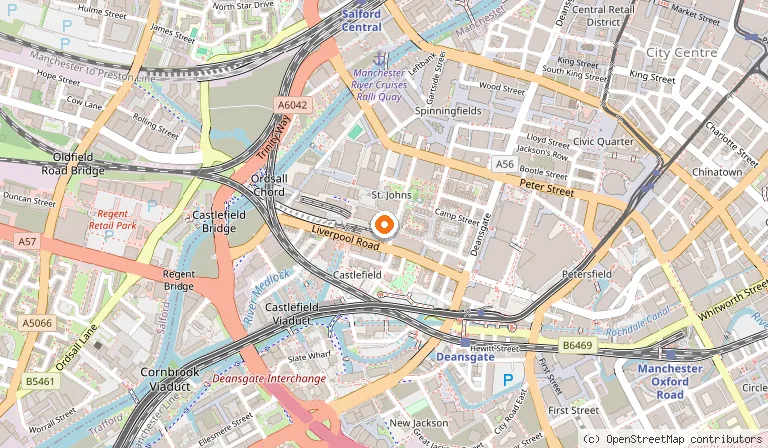
- Convenient Location Easily accessible in the heart of Manchester, with close proximity to Deansgate Station, making it easy to reach by public transport.
- Educational and Fun Combines education with entertainment, offering a fun and informative experience for those curious about science, technology, and Manchester's history.
- Focus on Manchester's Industrial History Showcases Manchester's pivotal role in the Industrial Revolution, including exhibits on textiles, steam power, and early computing.
- Free Admission General entry is free, making it an accessible option for families and individuals on a budget. Some special exhibits may have a separate charge.
- Interactive Exhibits for All Ages The museum offers a range of interactive displays and hands-on activities suitable for both children and adults, promoting an engaging learning environment.
Criticised
- Can Be Crowded The cafe tends to be very busy during holidays and weekends, so it might be best to avoid it if possible, with other options nearby.
- Focus on Child-Oriented Exhibits Some reviewers find that the museum is more geared towards children, which may limit the engagement for adults without children.
- Inconsistent Exhibit Quality Some exhibits may lack sufficient technical information or depth, especially for those with a strong existing knowledge of science and technology.
- Limited Parking Finding parking near the museum can be challenging, especially during peak times like school holidays.
- Ongoing Refurbishment A significant portion of the museum is currently undergoing renovation, which may limit the number of exhibits available to view. Power Hall is set to reopen in summer 2025.
The longer read
The Science and Industry Museum in Manchester is a free museum that explores Manchester's industrial past, scientific advancements, and technological innovations. Many reviewers highlight the interactive exhibits, particularly those geared towards children, making it a popular destination for families. The museum features exhibits on the textile industry, including historic machinery and information about Manchester's role as a global textile hub. Another key exhibit is a replica of the "Baby" computer, one of the world's first stored-program computers. Several reviewers enjoyed the hands-on science exhibits. Some reviewers mention temporary exhibits, such as retro gaming or the "Operation Ouch" exhibit, which may have an additional charge. The museum is housed in a historic building, the world's oldest surviving passenger railway station, adding to its appeal. Its central location and free entry make it an accessible attraction for visitors to Manchester. Keep in mind that the museum is undergoing a significant refurbishment, with some areas temporarily closed. The Power Hall is set to reopen in Summer 2025. Some reviewers noted that the ongoing renovations may limit the overall experience, while others found that there was still plenty to see and do. Because of the renovations, a visit may be shorter than expected, around 2-3 hours. The museum has a cafe and gift shop. Some reviewers found parking challenging, especially during school holidays, but public transportation options are available. The staff is generally considered friendly and helpful, and some reviewers specifically praised the engaging demonstrations and talks provided by museum explainers. The museum is considered more geared towards families and children, though adults can still find the exhibits interesting and informative, particularly the textile section. Many reviewers recommend it as a good option for a rainy day or a cheap day out. Booking tickets online in advance is advised. Donations are welcomed to support the museum's free entry.
A synthesis of published third-party reviews. Not written by Breaks.
Getting there
- Phone
- +44 330 058 0058
- Website
- scienceandindustrymuseum.org.uk
| Mon | 10:00 - 17:00 |
|---|---|
| Tue | 10:00 - 17:00 |
| Wed | 10:00 - 17:00 |
| Thu | 10:00 - 17:00 |
| Fri | 10:00 - 17:00 |
| Sat | 10:00 - 17:00 |
| Sun | 10:00 - 17:00 |
Against the neighbourhood
Rated 4.4 against a median of 4.5 across the 6 venues we hold for Castlefield, and the most-reviewed of them.
Still deciding?
- What are the main exhibits and highlights at the Science and Industry Museum in Manchester?
- What activities or exhibits are suitable for families and children at this museum?
- What is the historical significance of the Science and Industry Museum in Manchester?
- When is the best time to visit the Science and Industry Museum to avoid crowds?
- What other attractions or places of interest are located near the Science and Industry Museum in Manchester?
What this page cannot tell you
- Descriptions and review summaries are supplied by the source index and are reproduced as published; they are not independently verified by Breaks.
- Ratings and review counts are point-in-time snapshots and drift constantly. Check the venue's own site or the rating provider for the current figure.
- Opening hours change seasonally and at short notice. Confirm with the venue before travelling.
- Category labels come from the source index and are occasionally wrong — a venue may be filed under a type that does not match how it trades.
- Straight-line distances understate real walking distance, especially where a river or railway sits between two points.