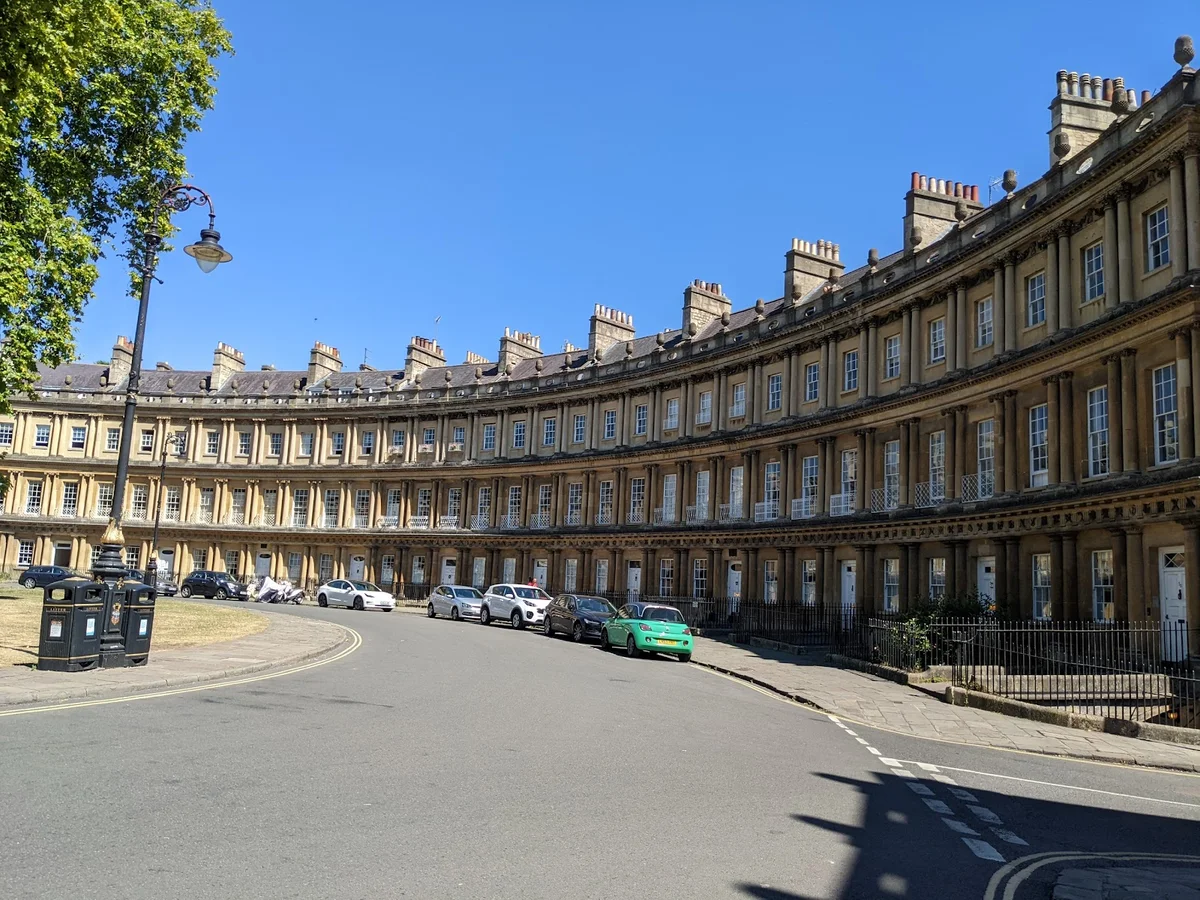
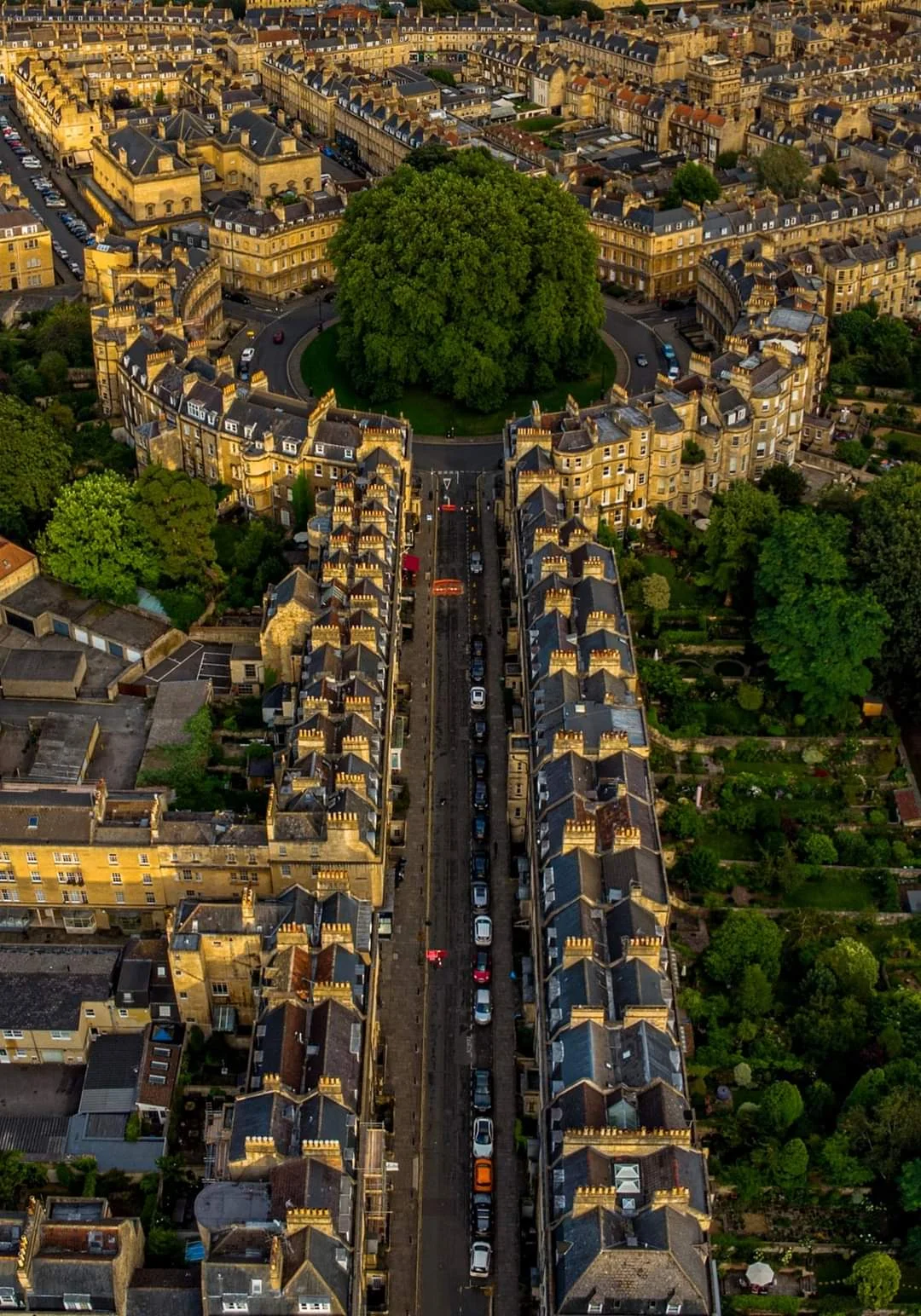
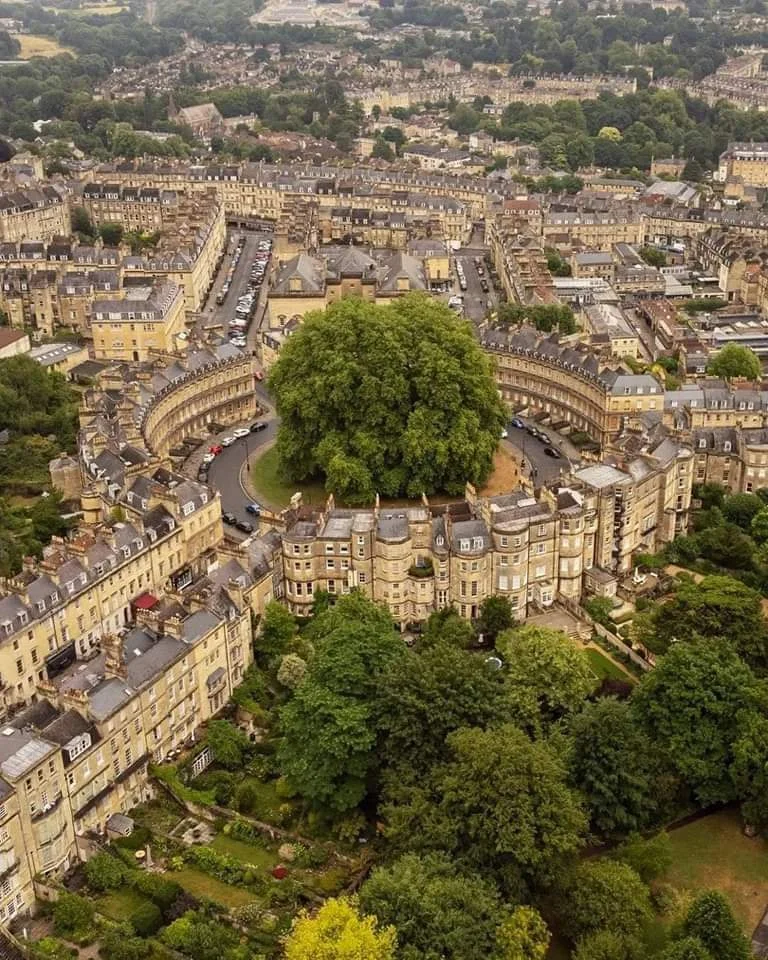
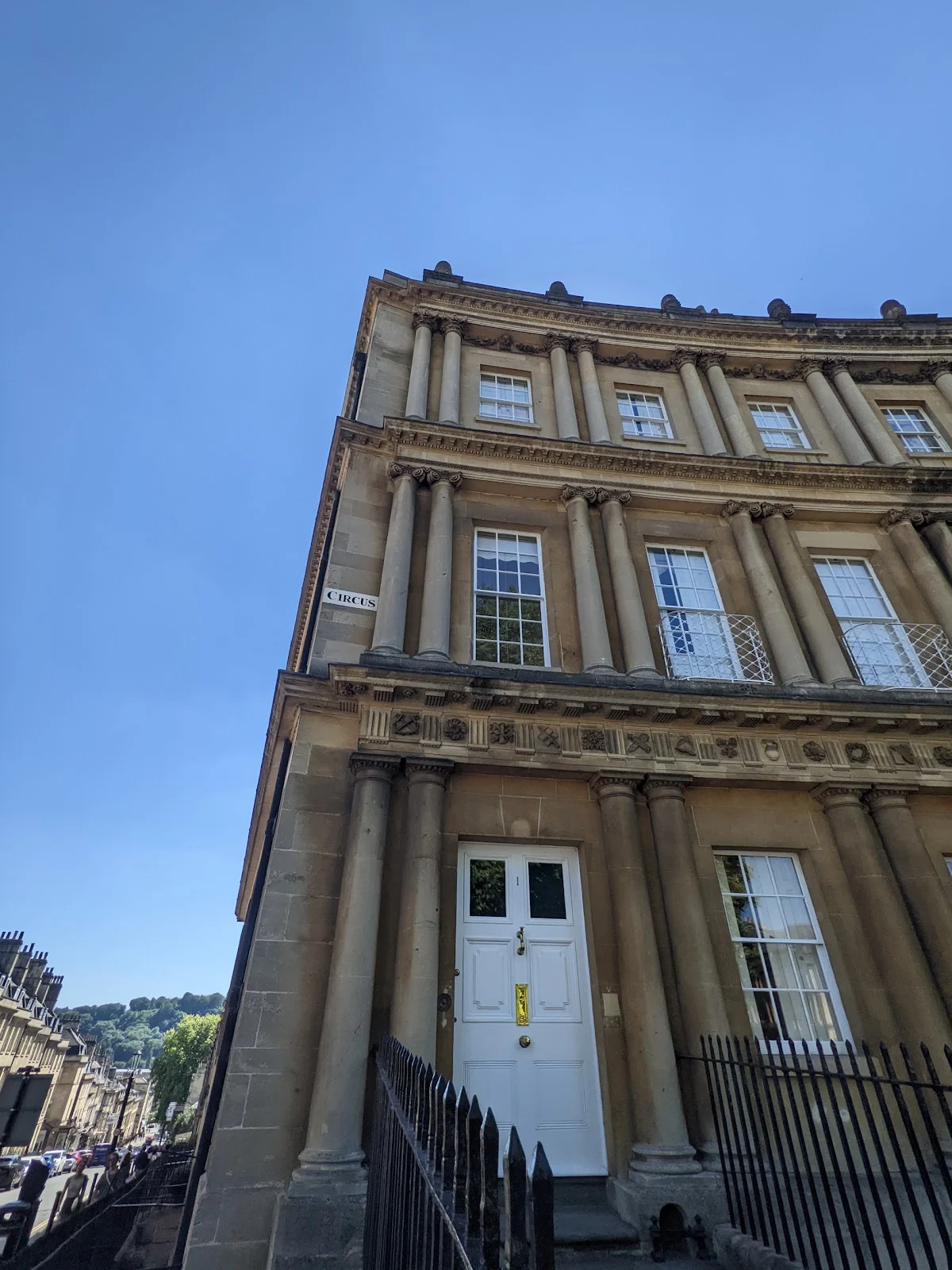
The Circus is a remarkable architectural ensemble located in Bath, England. Completed in the 18th century, it consists of a circular space surrounded by elegantly designed townhouses. The structure is renowned for its Georgian architecture, featuring distinctive stone carvings and a bold design that exemplifies the era's craftsmanship. The Circus is not only a residential area but also a significant historical site, attracting visitors interested in architecture and history. Nearby attractions include the Royal Crescent and the Jane Austen Centre, making it a popular stop for tourists exploring Bath.
What each source says
- Viator 4.9 4,469
- Tripadvisor 4.5 2,525
Bar length is review volume, so you can see how much weight sits behind each score. Captured 2026-08-26.
What visitors single out
Liked
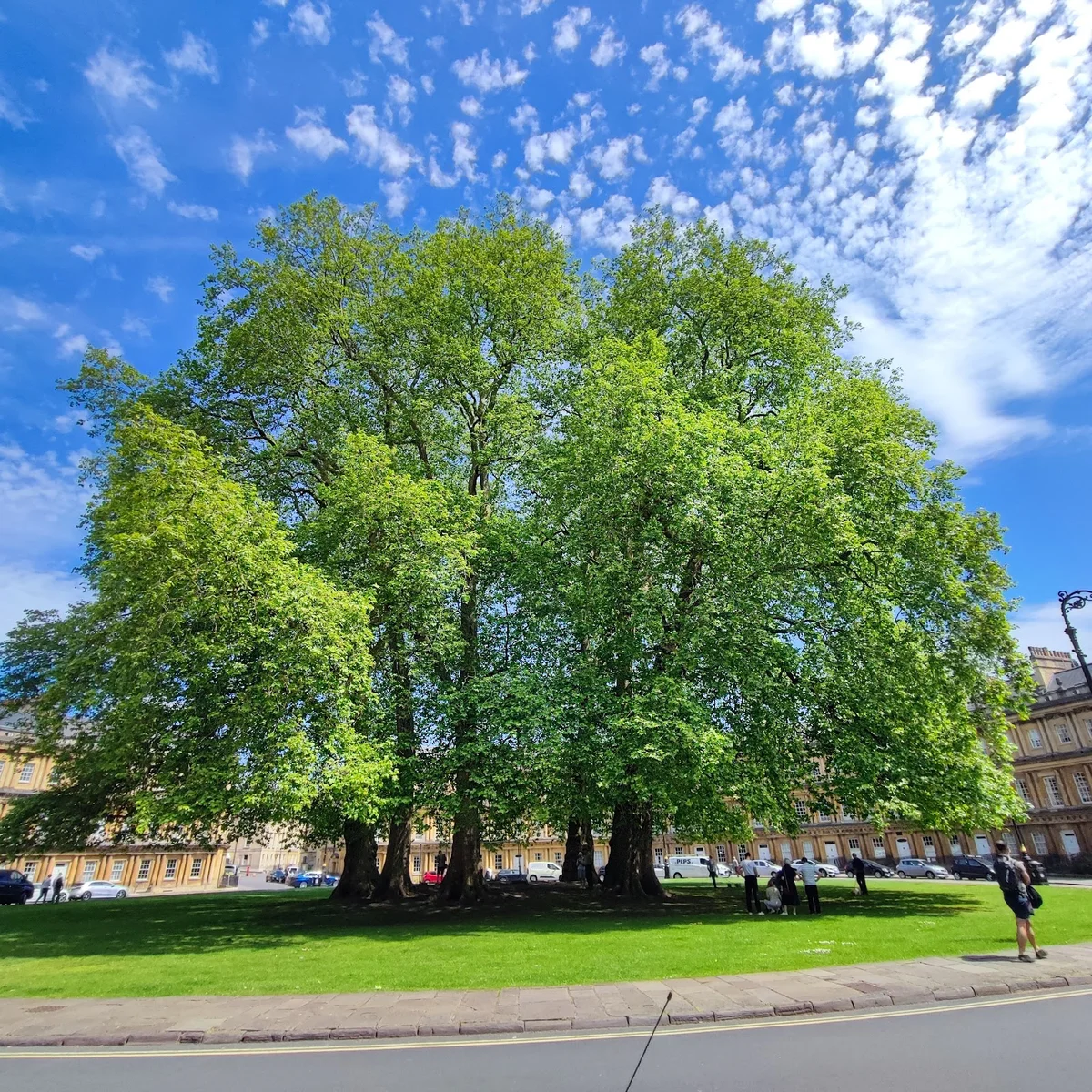
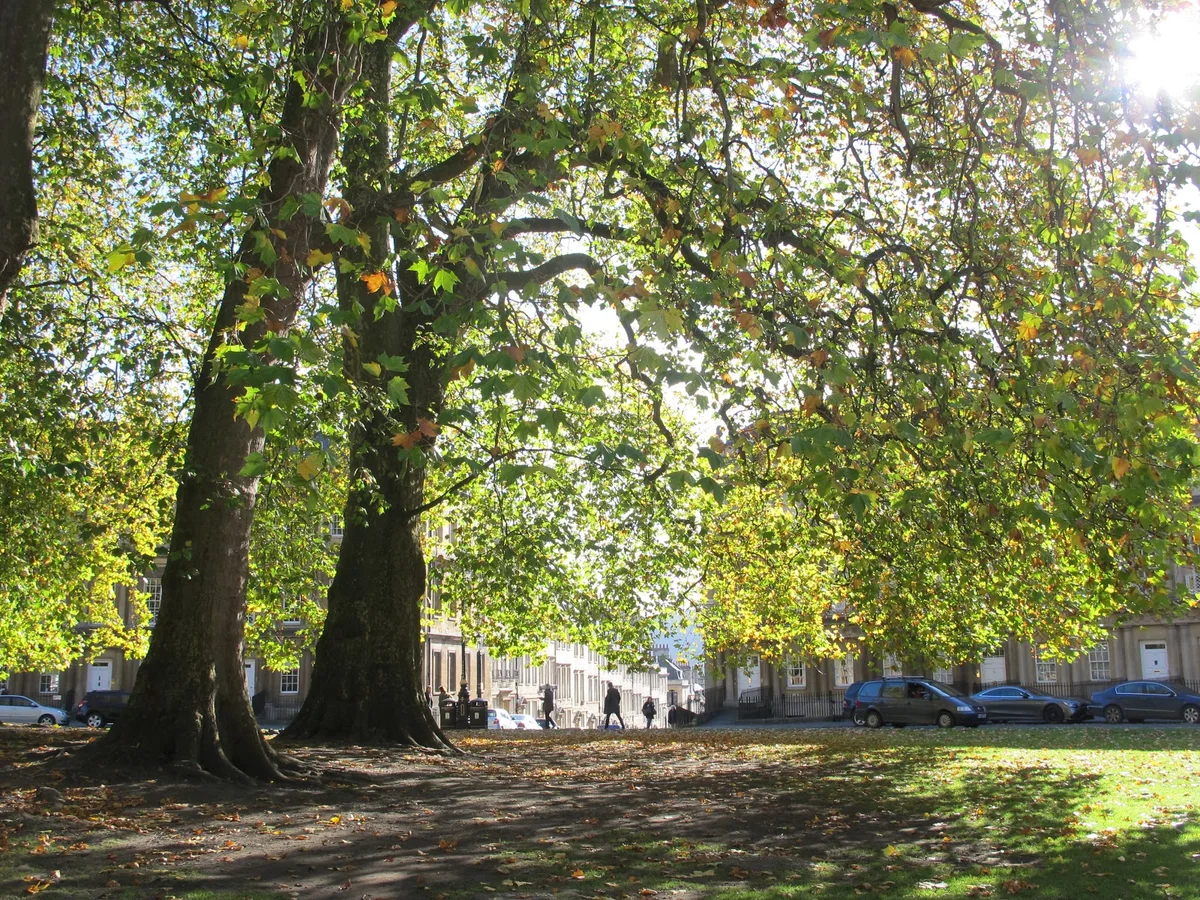
- Central Green Space Enjoy the central green area with large trees, creating a unique echo effect and a pleasant space for relaxation and photo opportunities.
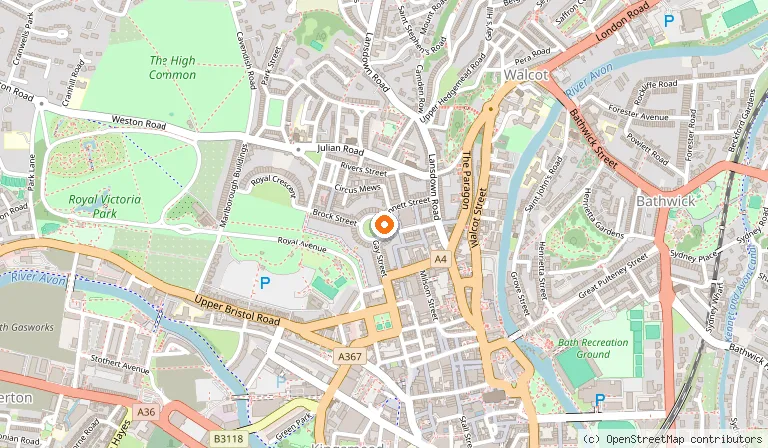
- Convenient Location Situated near other attractions like the Royal Crescent and Royal Victoria Park, The Circus is easily included in a walking tour of Bath.
- Peaceful Residential Area Located away from the busier city center, The Circus provides a tranquil environment for a relaxing stroll and appreciation of the surroundings.
- Stunning Georgian Architecture The Circus showcases impressive Georgian architecture with detailed facades, offering a glimpse into Bath's historical aesthetic and design.
- Unique Circular Design The Circus offers a distinctive circular layout, providing a 360-degree view of the surrounding Georgian houses, creating a memorable experience.
Criticised
- Greenspace Lacks Development The central greenspace is basic and lacks detailed landscaping or features, which could enhance the visitor experience.
- Limited Activities Beyond admiring the architecture, there are few specific activities or attractions within The Circus itself.
- Not as Famous as Other Sites The Circus may be overshadowed by more well-known attractions like the Royal Crescent, potentially leading to fewer visitors.
- Residential Area As a residential area, there are limited opportunities to explore the interiors of the buildings or interact with local life.
- Traffic Congestion The presence of traffic around the circle can detract from the overall experience and create noise and fumes.
The longer read
The Circus in Bath is a notable example of Georgian architecture, featuring a circular arrangement of townhouses designed by John Wood the Elder in 1769. Many reviewers highlight its unique, circular design as a key architectural feature of Bath, often recommending it as a must-see attraction. Its proximity to other attractions like the Royal Crescent and Royal Victoria Park makes it convenient to visit as part of a walking tour of Bath. Many suggest combining a visit to The Circus with these nearby landmarks. The Circus is noted for its peaceful atmosphere and residential character. Reviewers appreciate the green space in the center, featuring large trees, which provides a pleasant environment for a stroll or a moment of relaxation. Some reviewers mention that standing in the center allows one to experience unique acoustic effects, such as echoes. The architectural details, including Doric, Ionic, and Corinthian columns, along with carvings and symbols, are frequently praised. Some reviewers point out masonic and druid symbols, adding an element of intrigue for those interested in history and symbolism. While some find the Royal Crescent more impressive, many reviewers consider The Circus equally or even more attractive due to its symmetry and intricate detailing. The Circus's design includes three levels, each with a different column style and acorn symbols representing the city of Bath. The location is within walking distance from the city center and close to amenities like shops and eateries. Some reviewers recommend visiting during different times of the day to experience varying light conditions and capture memorable photos. The Circus is frequently mentioned as a filming location for period dramas, adding to its appeal for fans of shows like Bridgerton. The area's beauty is enhanced during Christmas, when the houses are decorated with lights. While the presence of traffic is a minor concern for some visitors, the overall experience of admiring the architecture and relaxing in the central green space remains a highlight for many. Some reviewers suggest that a guided walking tour can enhance the experience by providing historical context and pointing out architectural details that might otherwise be missed. The Circus is described as an active part of the city, offering a glimpse into the quality of past eras, with its stunning facades and well-maintained structures.
A synthesis of published third-party reviews. Not written by Breaks.
Getting there
Against the neighbourhood
Rated 4.8 against a median of 4.6 across the 52 venues we hold for Bath, where the most-reviewed is The Roman Baths.
Still deciding?
- What makes The Circus in Bath a unique and famous attraction?
- What are the best ways to access The Circus in Bath for visitors?
- When is the best time of day or year to visit The Circus for the best experience?
- Are there any guided tours or special events offered at The Circus in Bath?
- What other attractions or points of interest are located near The Circus in Bath?
What this page cannot tell you
- Descriptions and review summaries are supplied by the source index and are reproduced as published; they are not independently verified by Breaks.
- Ratings and review counts are point-in-time snapshots and drift constantly. Check the venue's own site or the rating provider for the current figure.
- Opening hours change seasonally and at short notice. Confirm with the venue before travelling.
- Category labels come from the source index and are occasionally wrong — a venue may be filed under a type that does not match how it trades.
- Straight-line distances understate real walking distance, especially where a river or railway sits between two points.