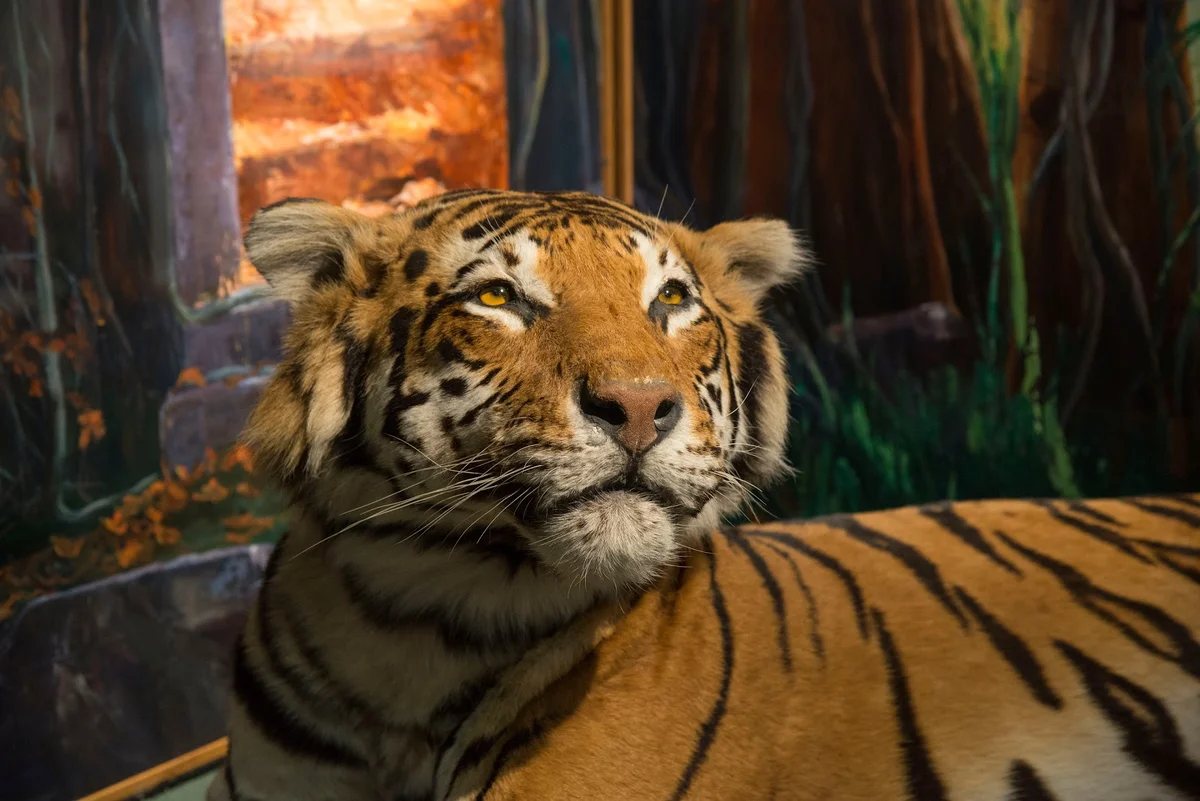
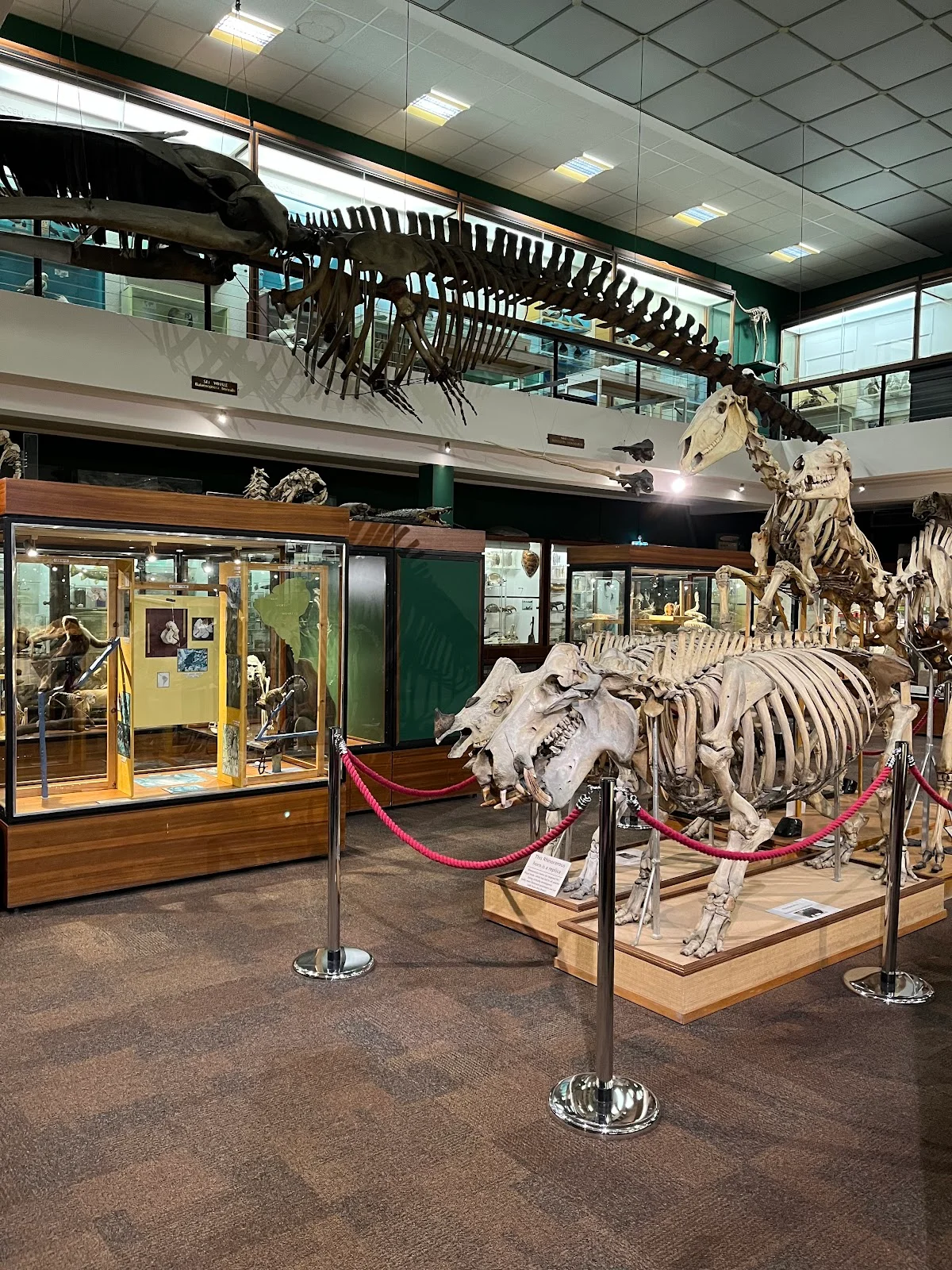
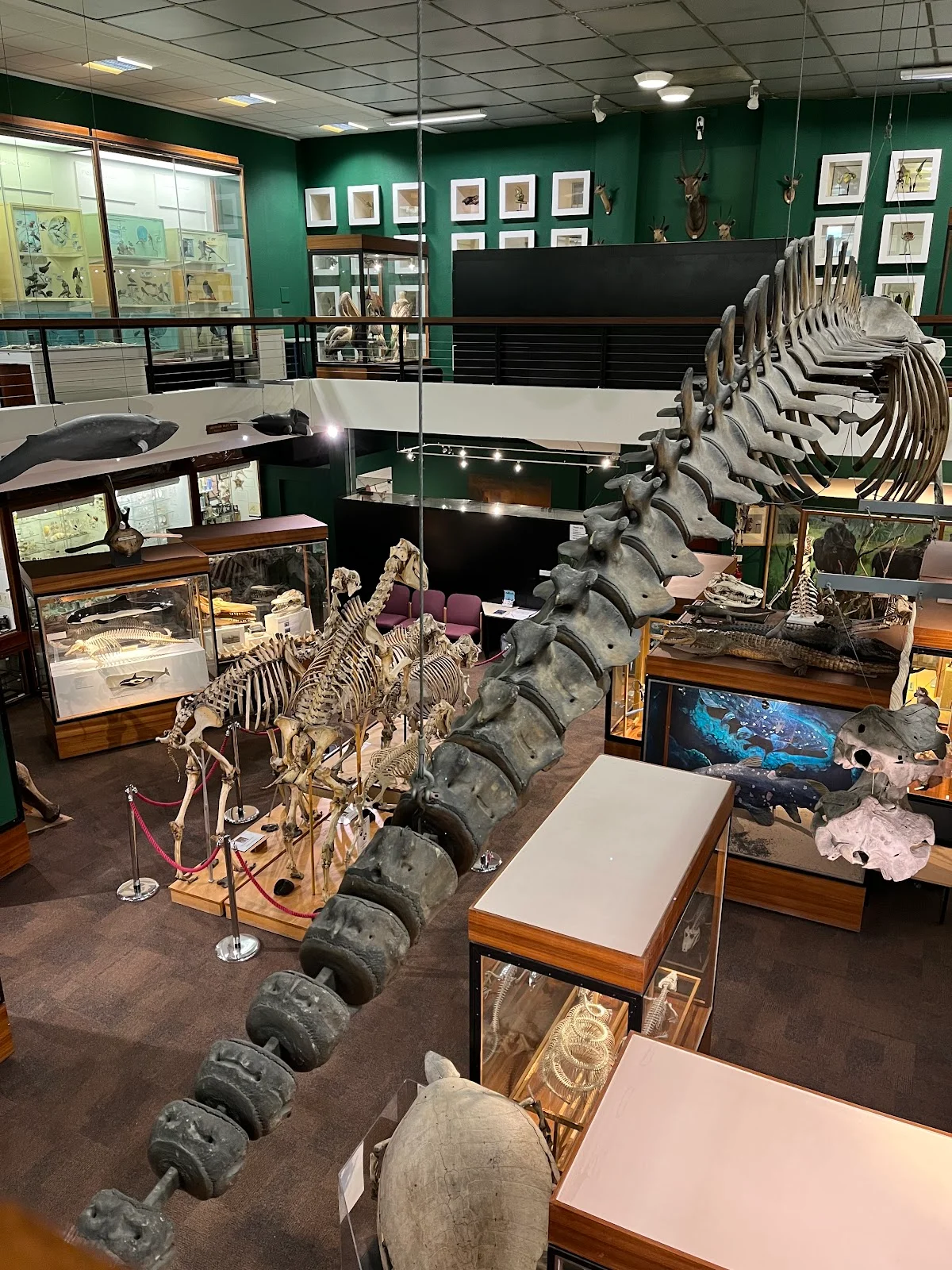
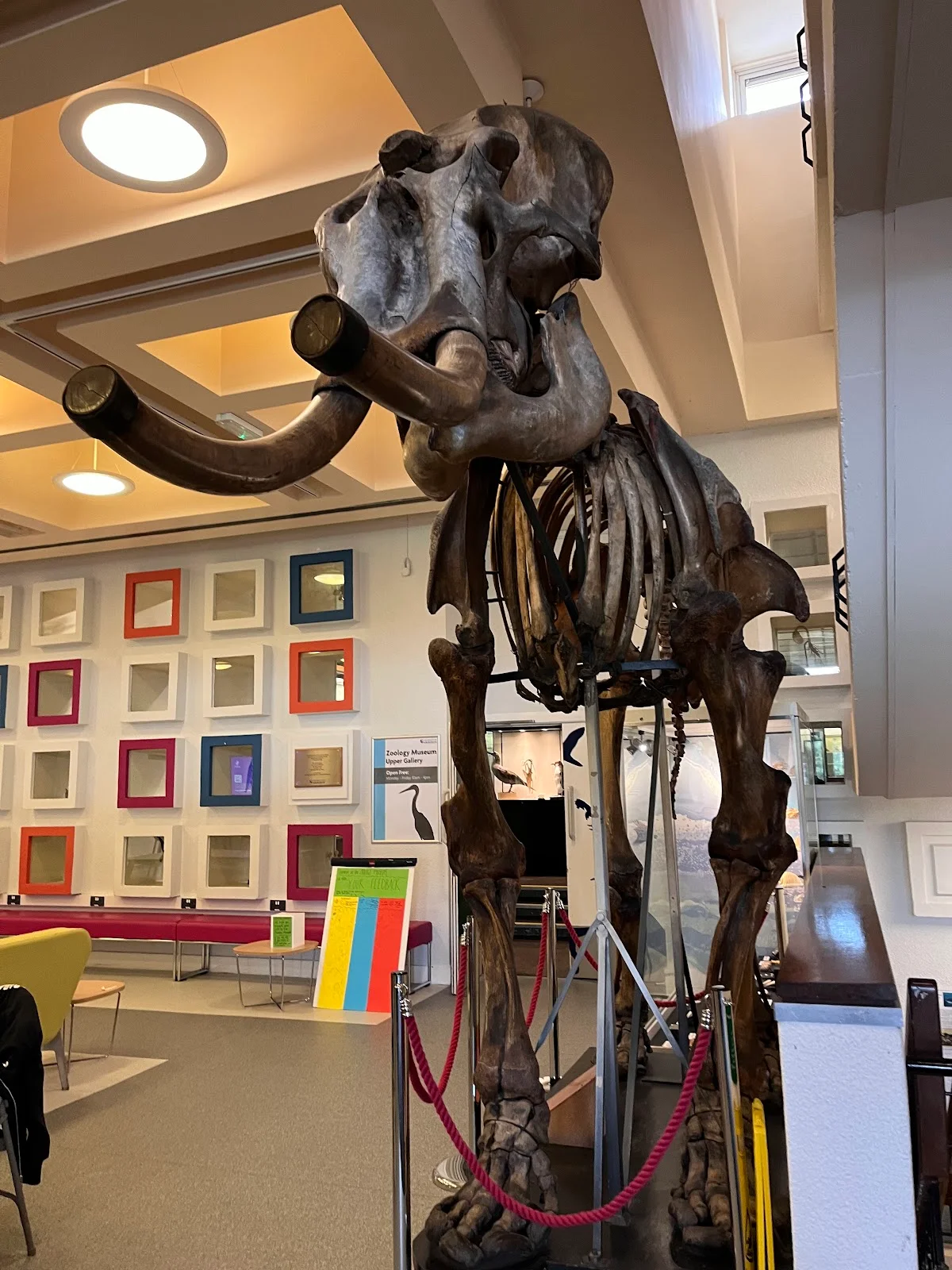
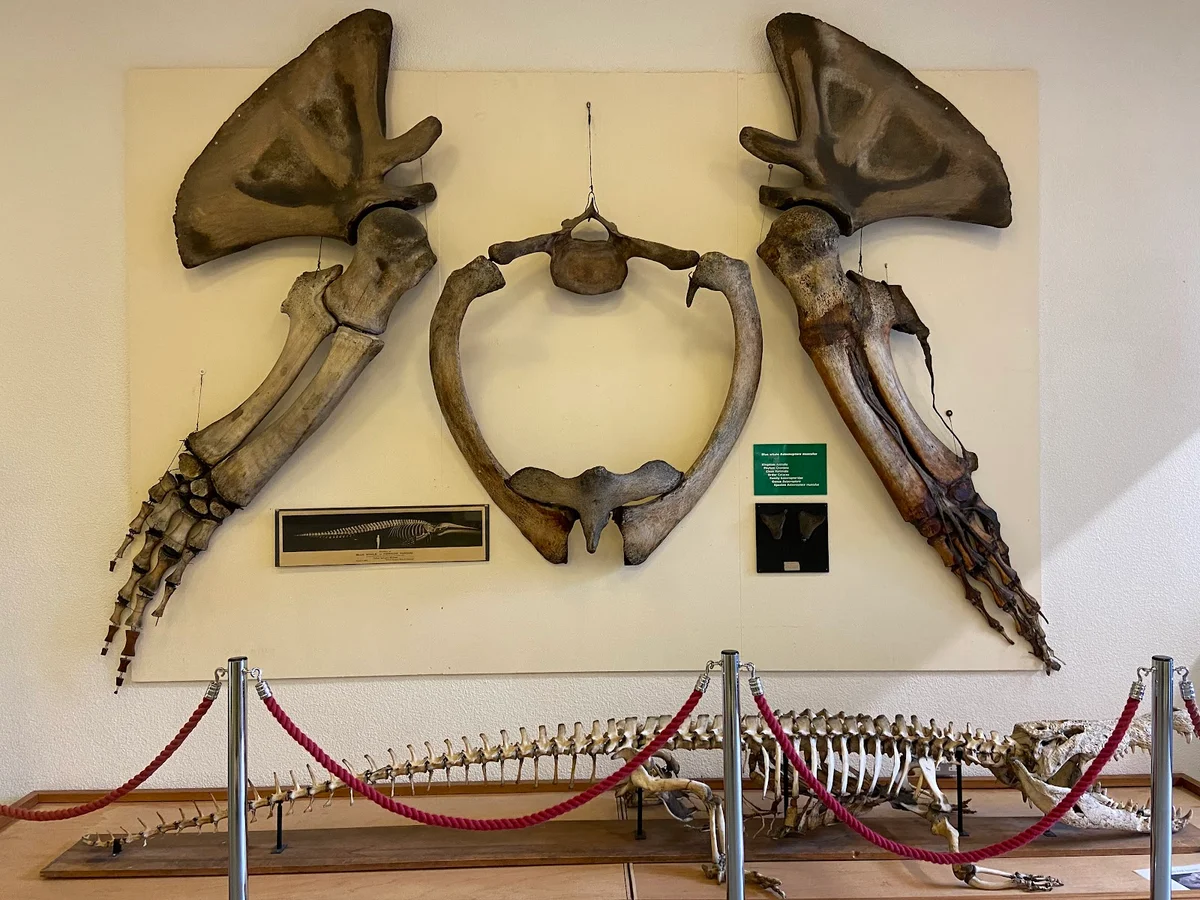
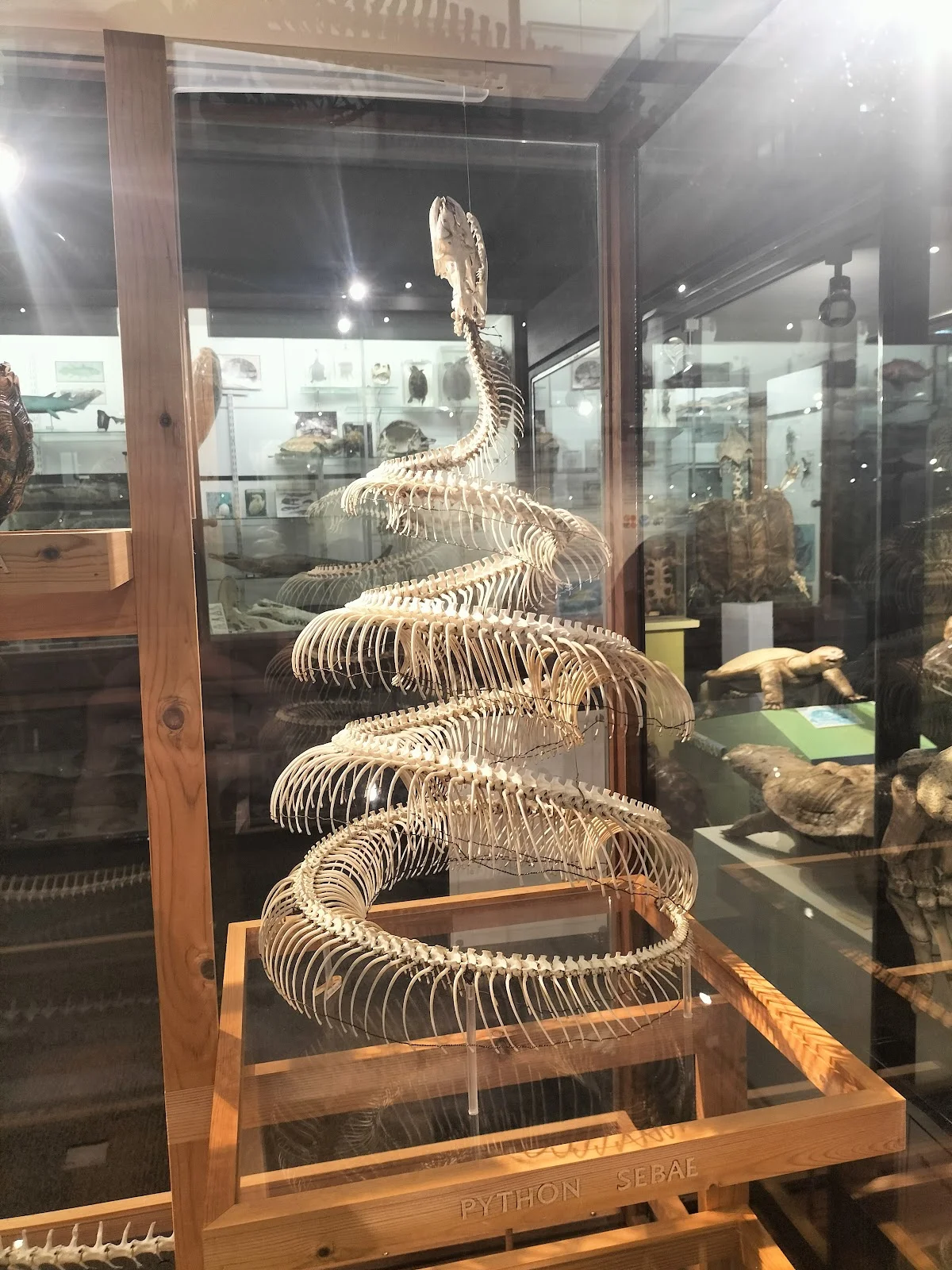
The University of Aberdeen Zoology Museum houses an extensive collection of zoological specimens, showcasing the diversity of animal life. The museum serves as an educational resource, offering insights into various species from around the world, including preserved specimens and skeletons. Visitors can explore the exhibits that reflect research and conservation efforts, making it an intriguing stop for those interested in natural history and biology. The museum is part of the university's commitment to promoting science education and outreach.
What each source says
- Google 4.7 119
- Tripadvisor 4.5 70
Bar length is review volume, so you can see how much weight sits behind each score. Captured 2026-08-26.
What visitors single out
Liked
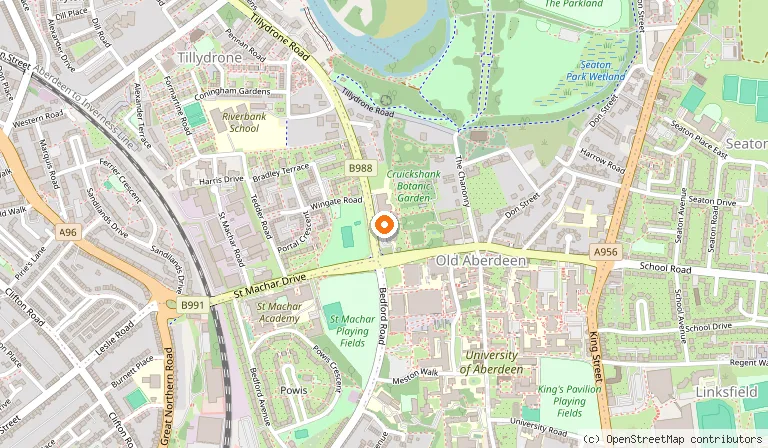
- Combined Visit Potential The museum is located near other attractions, such as the Cruickshank Botanic Gardens and St Machar's Cathedral, making it easy to combine visits.
- Compact Size The museum is just the right size to visit with little ones and has a wide variety of exhibits to keep them amused.
- Educational Exhibits The museum provides an enriching experience with its diverse collection of animal skeletons, stuffed specimens, and informative displays suitable for both children and adults.
- Free Admission The museum offers free entry, making it an affordable and accessible option for visitors of all ages.
- Hands-on Learning The museum has a lab area where visitors can interact with some of the artifacts on display.
Criticised
- Exhibit Condition Some exhibits, particularly older taxidermy displays, may appear worn or damaged.
- Parking Challenges Limited parking is available near the museum, with university car parks requiring permits and street parking potentially leading to tickets.
- Signage Issues Some visitors feel that the signage and labels for exhibits could be clearer, especially for those without specialized knowledge.
- Small Size The museum is relatively small, so it might not occupy a visitor's time for very long.
- Traditional Style The museum has a somewhat old-fashioned feel and lacks the interactive elements found in more modern museums.
The longer read
The University of Aberdeen Zoology Museum is frequently described as a "hidden gem" and a worthwhile visit for adults and children. Many visitors express amazement at the breadth of the collection, which includes skeletons, taxidermied animals, insects, and marine life. Several reviewers specifically mention the impressive variety of skeletons, including large mammals and even whales. The museum is often lauded as educational, informative, and exploratory, with exhibits that appeal to a wide range of ages and interests. A recurring positive point is that entry is free, although donations are encouraged to support the museum's upkeep. The museum's compact size is seen as a plus by many, making it manageable for shorter visits, especially with young children. Several reviewers mention that even a short visit can be engaging and worthwhile. The hands-on lab area, where visitors can touch and handle some specimens, is particularly popular among families with children. The museum's location within the University of Aberdeen campus offers the opportunity to explore the surrounding areas, including the Cruickshank Botanic Garden, often described as peaceful and beautiful, and Old Aberdeen itself. While parking on the university grounds can be problematic (permit only), nearby street parking or parking near St Machar Cathedral are suggested alternatives. A few reviewers mention that the museum has a somewhat old-fashioned or Victorian feel, which some appreciate for its nostalgic charm. However, a few suggest clearer signage and more descriptive labels to enhance the learning experience, especially for those without a strong background in zoology. A small number of reviewers noted that some displays are showing their age, with specimens in need of better maintenance. Despite these minor criticisms, the overall sentiment is overwhelmingly positive, with many reviewers expressing a desire to return and recommending the museum as a valuable and engaging attraction. Several reviewers mentioned that students were helpful and informative. The museum is also noted to be a good option for a rainy day activity.
A synthesis of published third-party reviews. Not written by Breaks.
Getting there
| Mon | 10:00 - 16:00 |
|---|---|
| Tue | 10:00 - 16:00 |
| Wed | 10:00 - 16:00 |
| Thu | 10:00 - 16:00 |
| Fri | 10:00 - 16:00 |
| Sat | Closed |
| Sun | Closed |
Against the neighbourhood
Rated 4.6 against a median of 4.5 across the 62 venues we hold for Aberdeen, where the most-reviewed is Duthie Park.
Still deciding?
- What are the main highlights or unique specimens in the University of Aberdeen Zoology Museum's collection?
- What should first-time visitors expect when exploring the Zoology Museum in Aberdeen?
- What are the current opening hours and is there an admission fee for the museum?
- Are there interactive exhibits or activities suitable for children and families at the Zoology Museum?
- What is the historical significance of the University of Aberdeen Zoology Museum within Scottish science and education?
What this page cannot tell you
- Descriptions and review summaries are supplied by the source index and are reproduced as published; they are not independently verified by Breaks.
- Ratings and review counts are point-in-time snapshots and drift constantly. Check the venue's own site or the rating provider for the current figure.
- Opening hours change seasonally and at short notice. Confirm with the venue before travelling.
- Category labels come from the source index and are occasionally wrong — a venue may be filed under a type that does not match how it trades.
- Straight-line distances understate real walking distance, especially where a river or railway sits between two points.