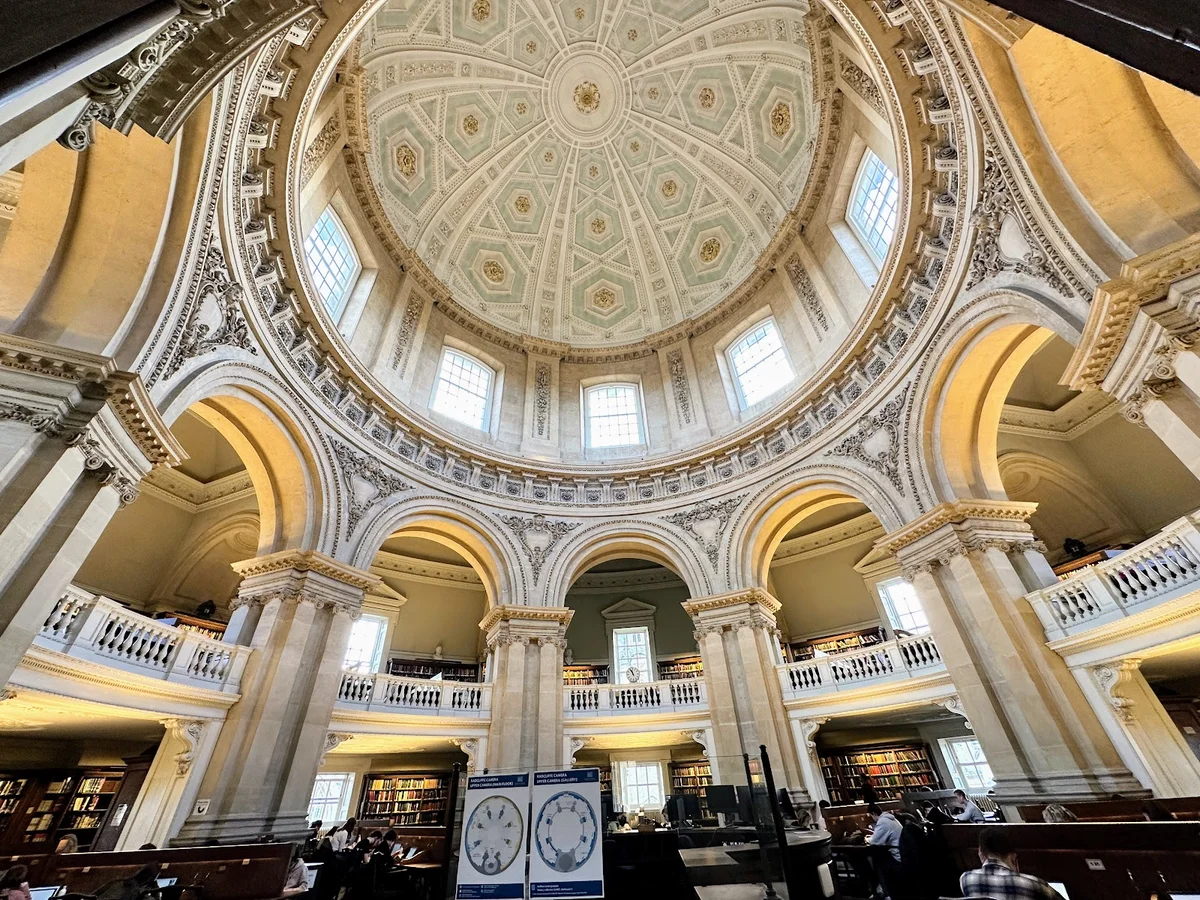
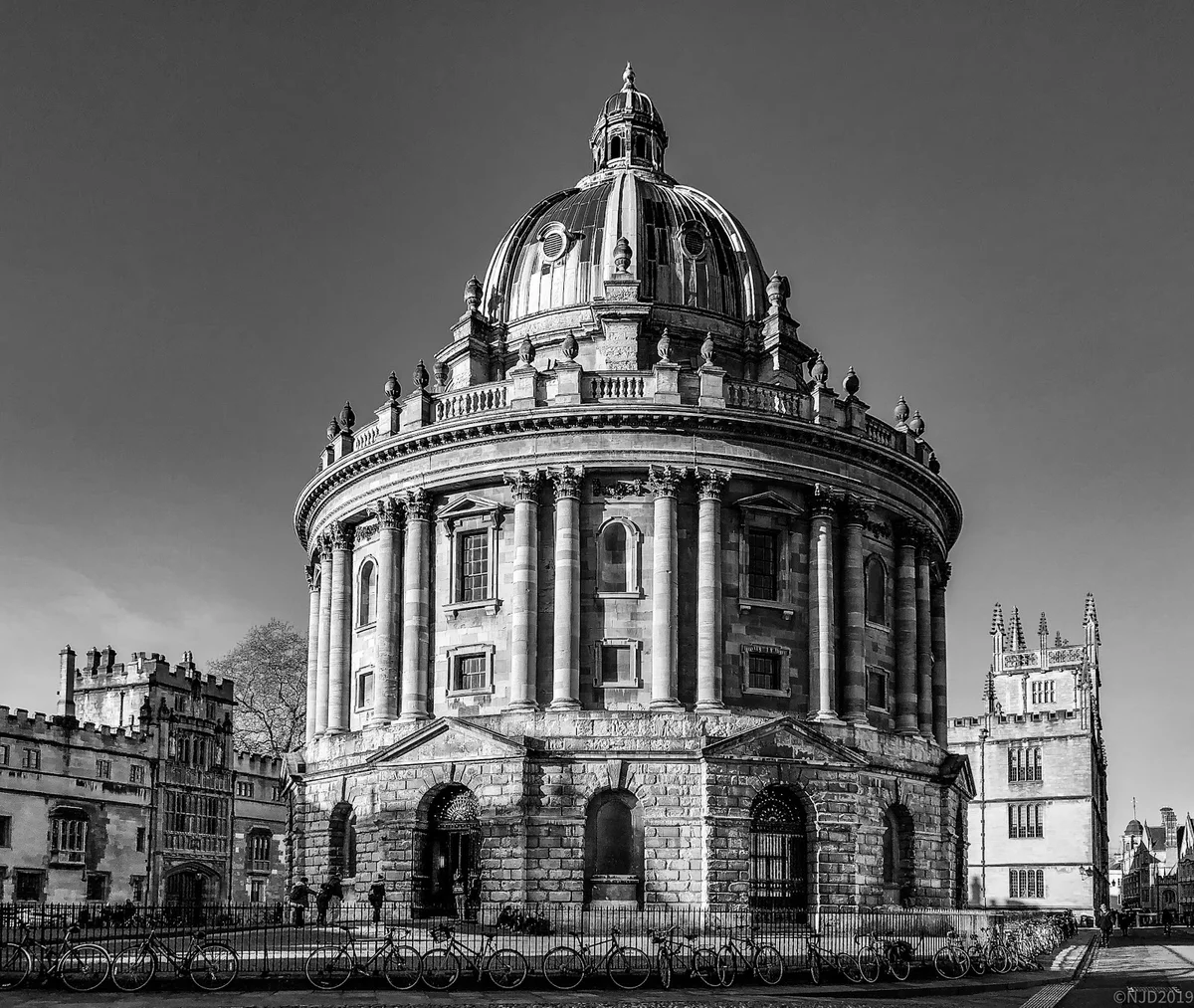
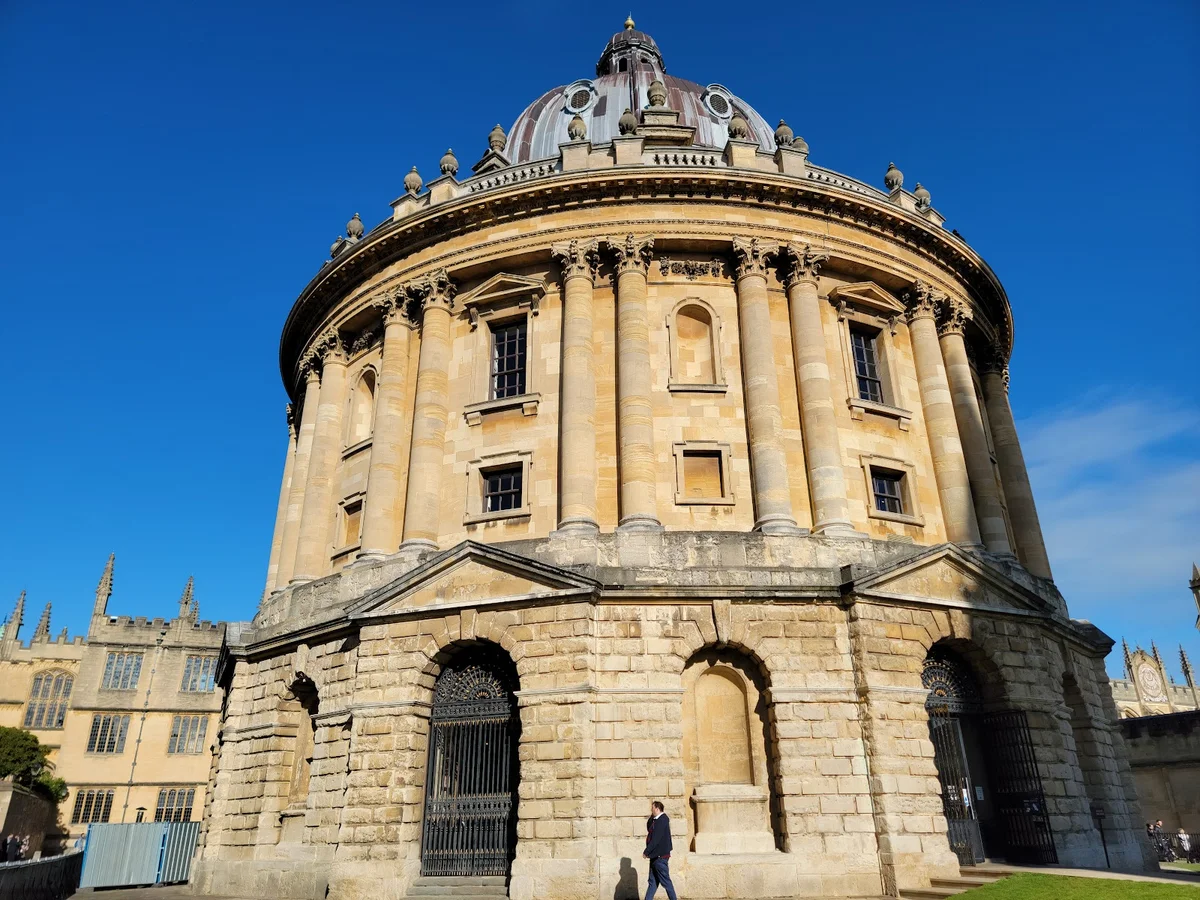
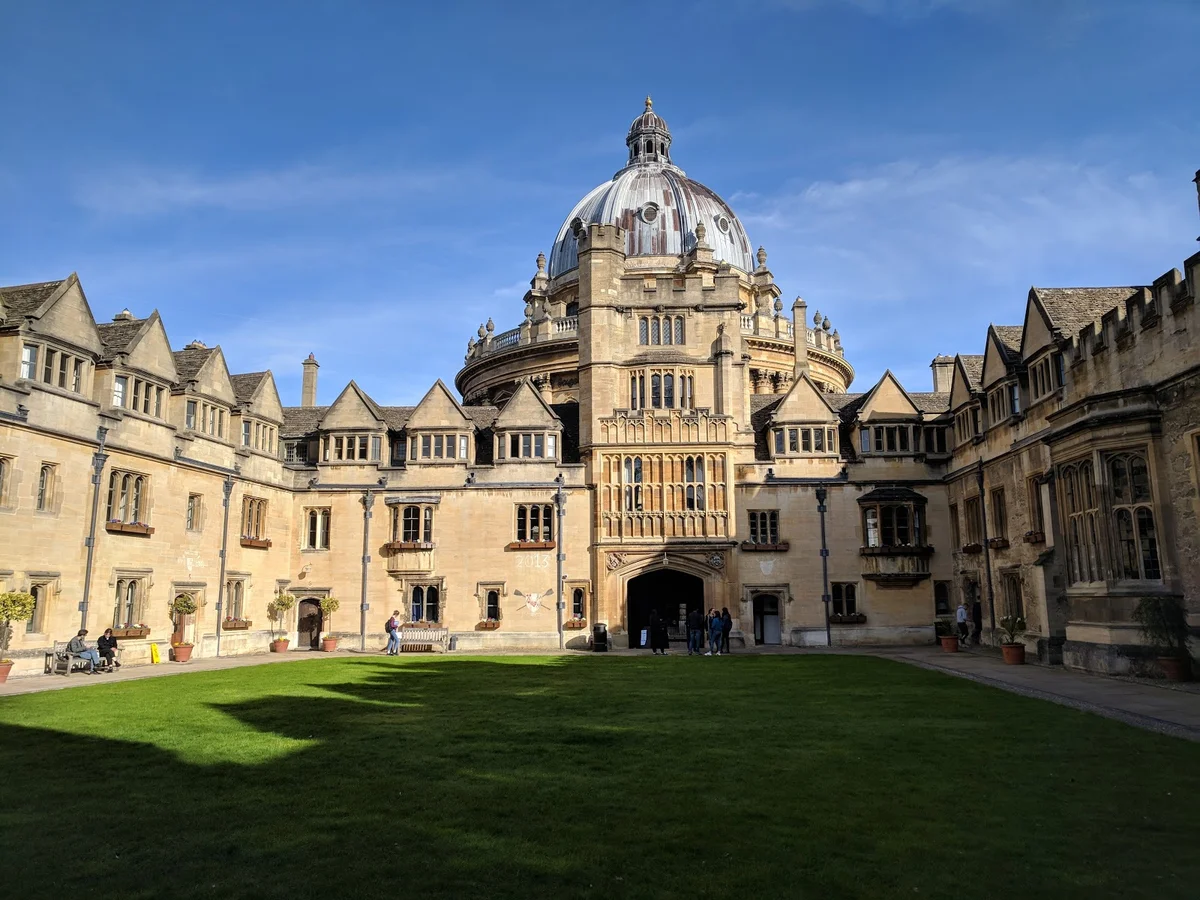
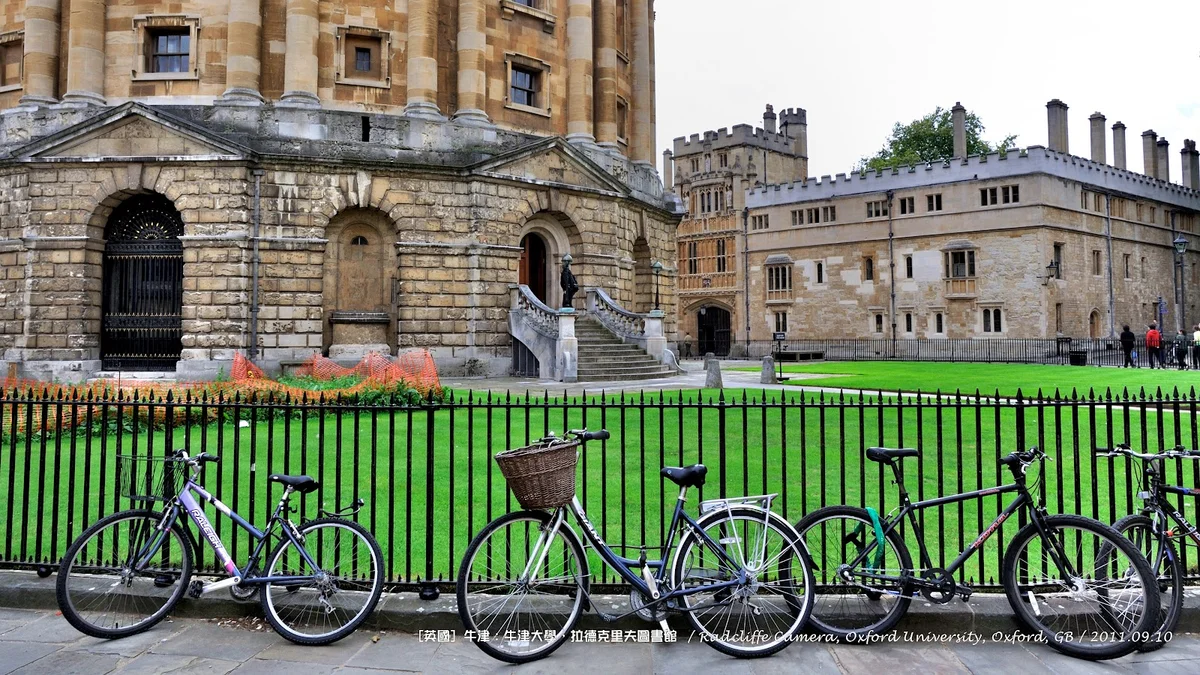
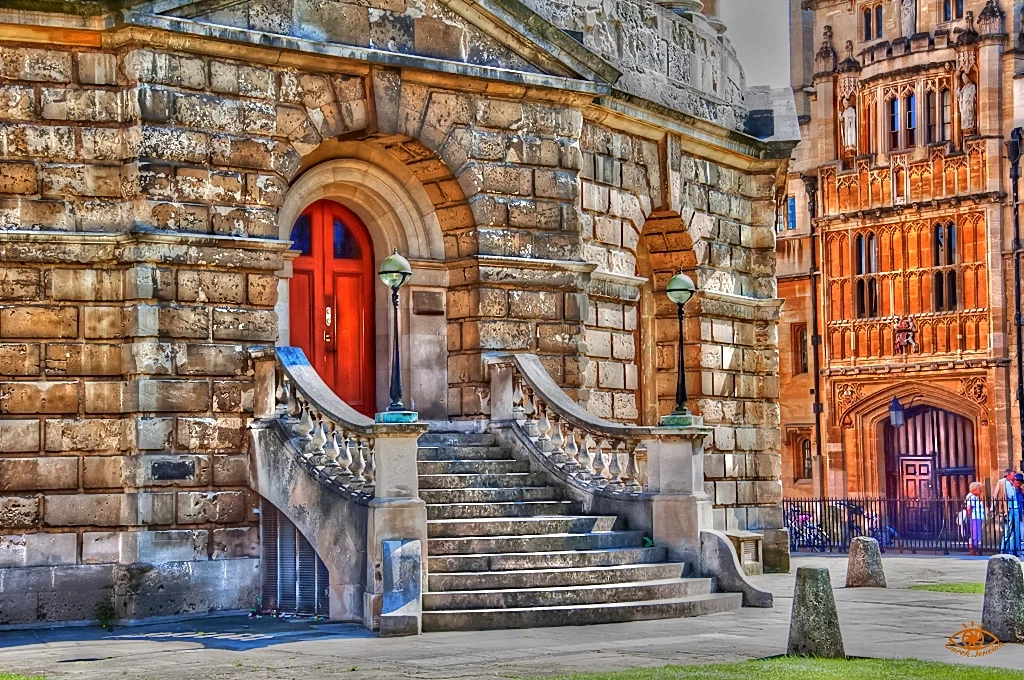
Radcliffe Camera is an iconic circular building in Oxford, designed by architect James Gibbs and completed in 1749. It serves as a reading room for the Bodleian Library and is part of the University of Oxford. The building is distinguished by its grand dome and classical design, often regarded as a symbol of the university. Surrounded by picturesque architecture and lush greenery, Radcliffe Camera is a popular spot for tourists and students alike, inviting visitors to admire its historical significance and the serene beauty of the surrounding area.
What each source says
- Viator 4.8 13,263
- Google 4.7 746
- Tripadvisor 4.5 485
Bar length is review volume, so you can see how much weight sits behind each score. Captured 2026-08-26.
What visitors single out
Liked
- Atmospheric Setting Even without entering, visitors can soak in the academic atmosphere surrounding the Radcliffe Camera. The cobbled streets and adjacent colleges create a timeless, intellectual environment.
- Beautiful Architecture Designed by James Gibbs in the Baroque style, its stunning architecture can be appreciated from every angle. The building's presence enhances the beauty of Radcliffe Square and the surrounding area.
- Central Location Situated in the heart of Oxford, the Radcliffe Camera is easily accessible. Its location near other key attractions like the Bodleian Library and the University Church makes it a convenient stop.
- Iconic Oxford Landmark The Radcliffe Camera is an architectural masterpiece and a must-see landmark in Oxford. Its unique circular design and impressive dome make it a captivating subject for photos, embodying the city's academic charm.
- Photographic Opportunities The Radcliffe Camera is one of the most photographed buildings in Oxford, and for good reason. The building and the surrounding setting provide stunning backdrops.
Criticised
- Crowds The Radcliffe Camera is a popular tourist destination, often crowded. This can make it difficult to take photos or enjoy the surroundings peacefully.
- Exterior View Only The most impressive aspects of the Radcliffe Camera, such as the reading rooms, are not visible without taking a tour. The outside, while beautiful, may not satisfy all visitors.
- Limited Public Access Access to the interior is restricted to university members or guided tours. This limitation can be disappointing for those hoping to explore the library's interior.
- Potential Distractions If visiting as a student, tourist photography is officially prohibited, but it still occurs. This can be disruptive for focused work.
- Tour Costs Guided tours are required to enter the building, incurring a cost. For budget-conscious travelers, this can be a deterrent, especially if only interested in seeing the Camera.
The longer read
The Radcliffe Camera stands as Oxford's architectural centerpiece and a must-see landmark. Completed in 1749, its circular, Baroque design by James Gibbs makes it instantly recognizable and a prime photo opportunity. Many reviewers recommend capturing its image, especially in the morning light, though some suggest creative, low-angle shots to avoid the typical tourist photos. Its central location, nestled among All Souls College, Brasenose College, the Bodleian Library, and the Church of St Mary the Virgin, enhances its appeal. The Radcliffe Camera is lauded for its stunning architecture and contribution to Oxford's unique atmosphere. While public access to the interior is limited, primarily serving as a reading room for the Bodleian Library, the exterior is rewarding in itself. Access to the interior is generally restricted to university members or those on guided tours, particularly those combined with the Bodleian Library. A combined tour is recommended to gain insight into both landmarks. Some reviewers suggest that the best views can be had from the tower of St. Mary's Church opposite the Radcliffe Camera, for a nominal fee. From this vantage point, the Camera's architecture and surrounding setting can be fully appreciated. Although some reviewers mention that access may be granted to certain areas during graduation ceremonies, general access remains restricted. Despite interior access limitations, many visitors find the exterior more than sufficient. The building's design is best viewed from a distance, allowing full appreciation of its circular shape and trademark dome. Some reviewers who were able to study inside highlighted the inspiring atmosphere and architectural beauty. However, they noted potential distractions from tourists and occasional floor vibrations due to library operations. While the immediate area around the Radcliffe Camera can be crowded with tourists, especially during peak times, early morning visits offer a less congested experience. Whether part of a guided tour or simply admired from Radcliffe Square, the Radcliffe Camera encapsulates Oxford's academic heritage and architectural grandeur.
A synthesis of published third-party reviews. Not written by Breaks.
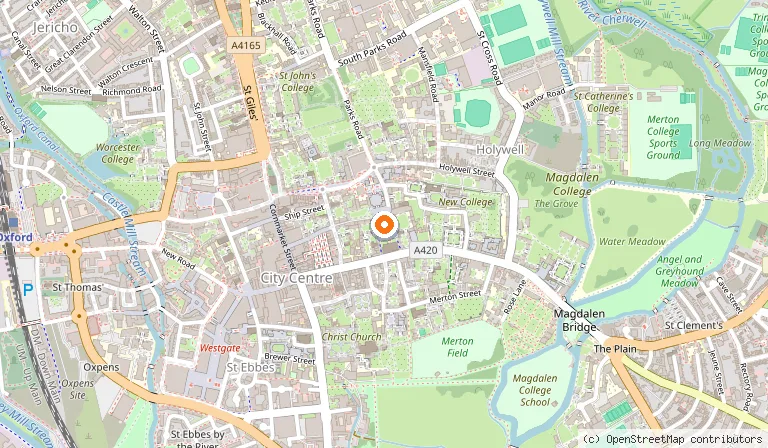
Getting there
Against the neighbourhood
Rated 4.8 against a median of 4.6 across the 88 venues we hold for Oxford, where the most-reviewed is Bodleian Library.
Still deciding?
- What is the historical significance of the Radcliffe Camera in Oxford?
- How can visitors access the Radcliffe Camera, and are there any restrictions?
- What are some recommended attractions to visit near the Radcliffe Camera in Oxford?
- Is photography permitted inside the Radcliffe Camera for tourists?
- When is the best time of year or day to visit the Radcliffe Camera for the best experience?
What this page cannot tell you
- Descriptions and review summaries are supplied by the source index and are reproduced as published; they are not independently verified by Breaks.
- Ratings and review counts are point-in-time snapshots and drift constantly. Check the venue's own site or the rating provider for the current figure.
- Opening hours change seasonally and at short notice. Confirm with the venue before travelling.
- Category labels come from the source index and are occasionally wrong — a venue may be filed under a type that does not match how it trades.
- Straight-line distances understate real walking distance, especially where a river or railway sits between two points.