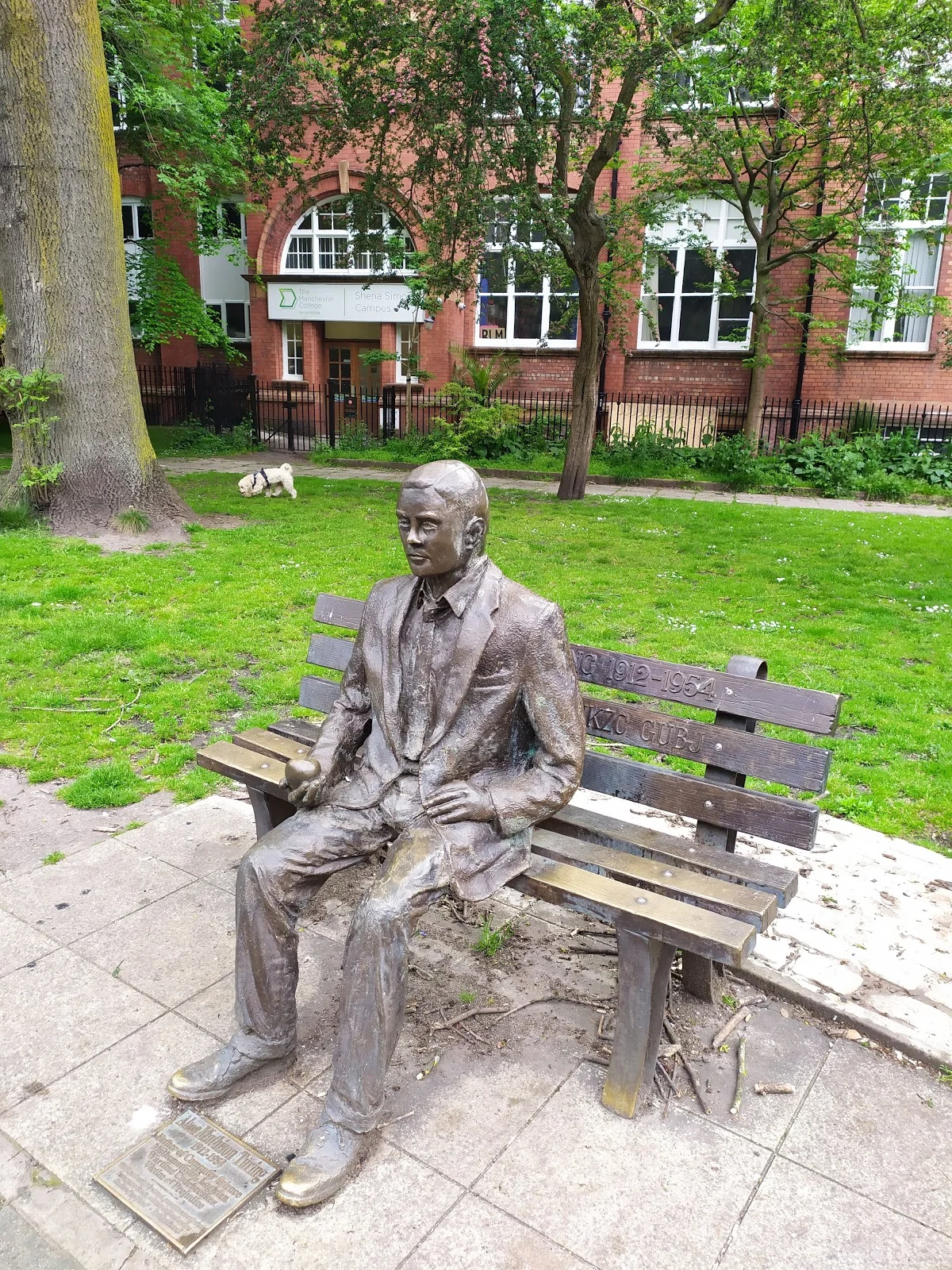
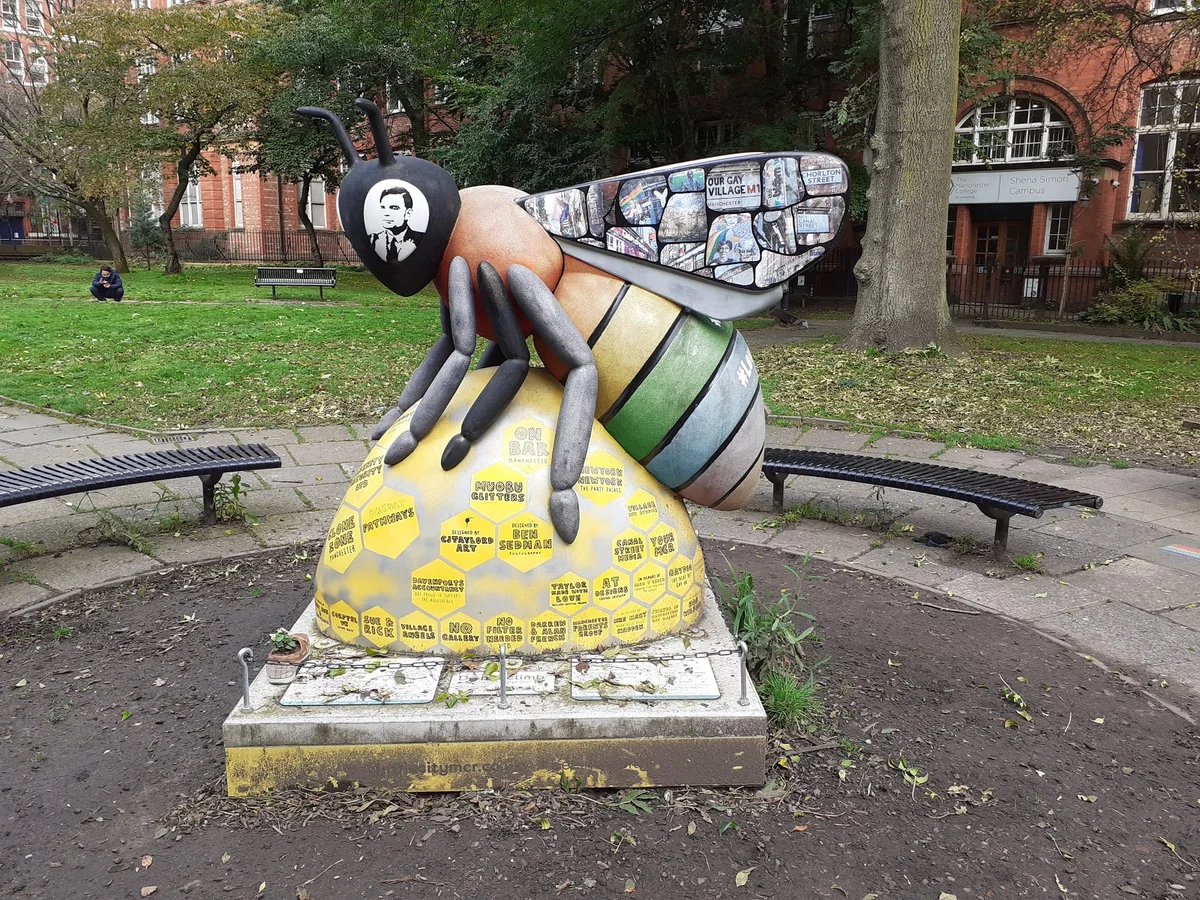
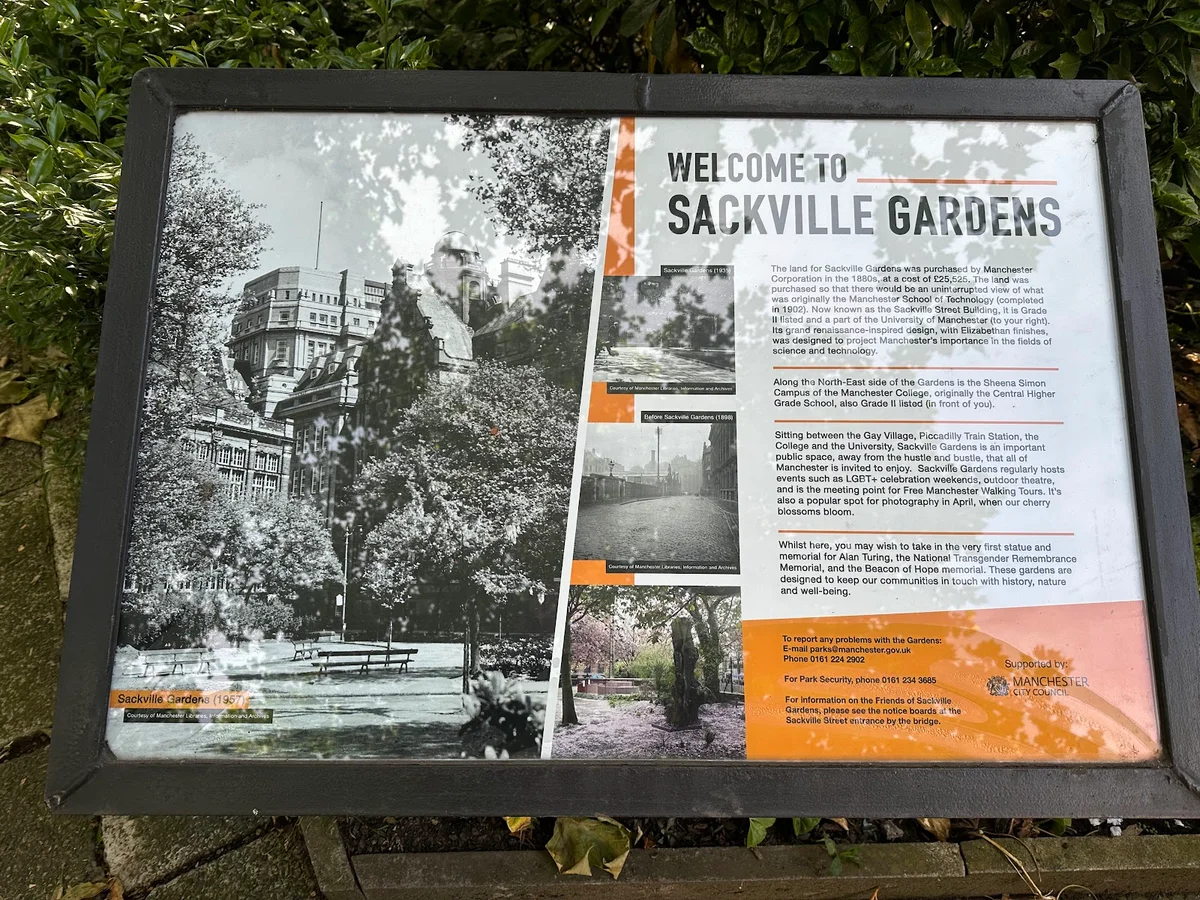
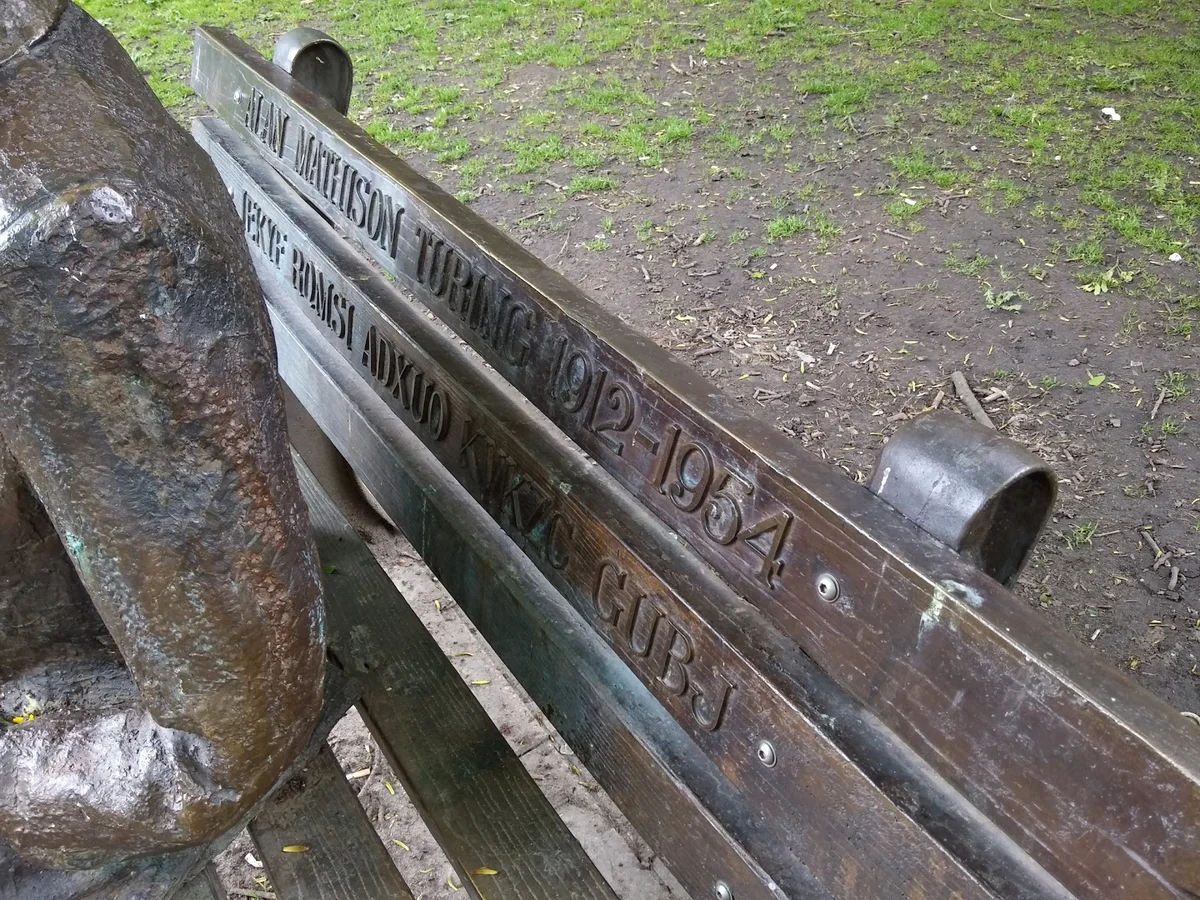
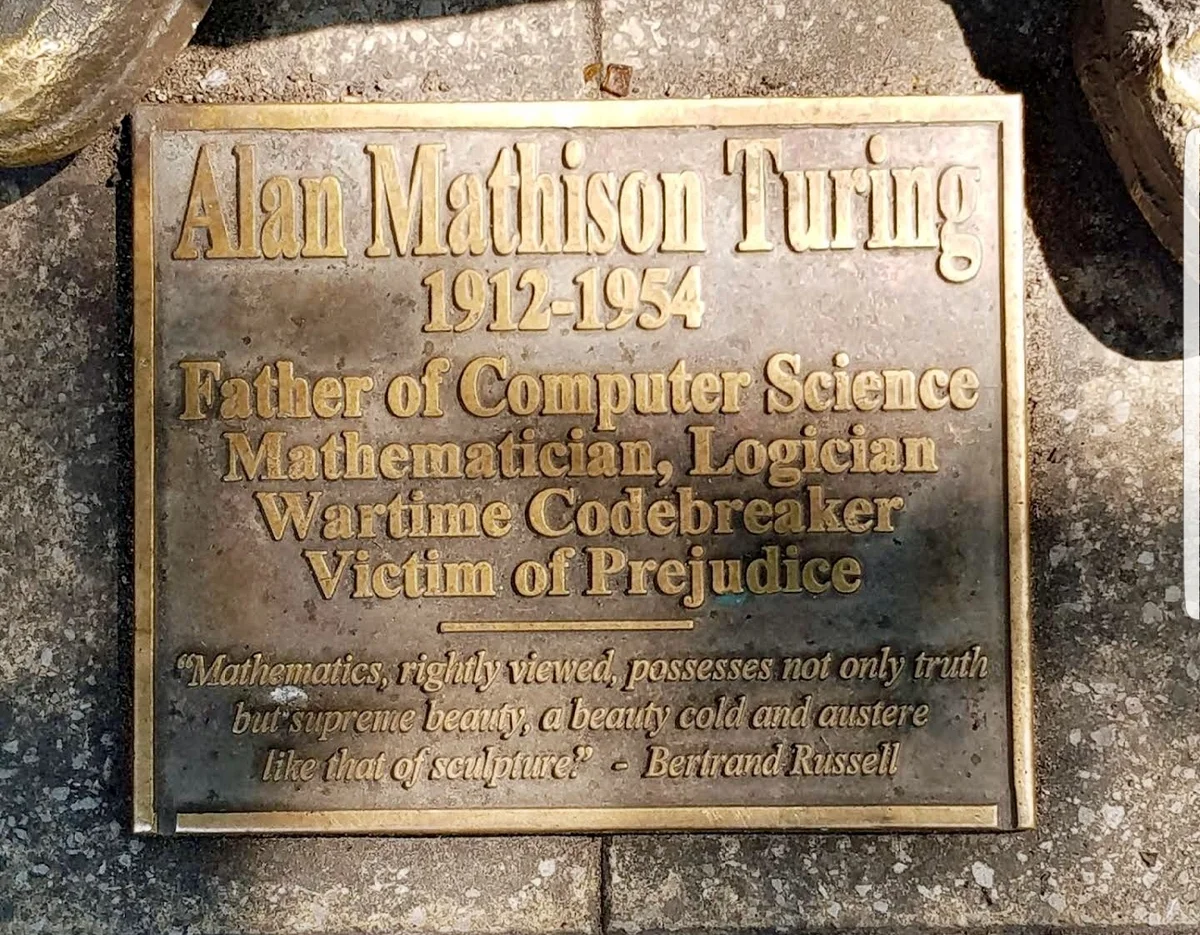
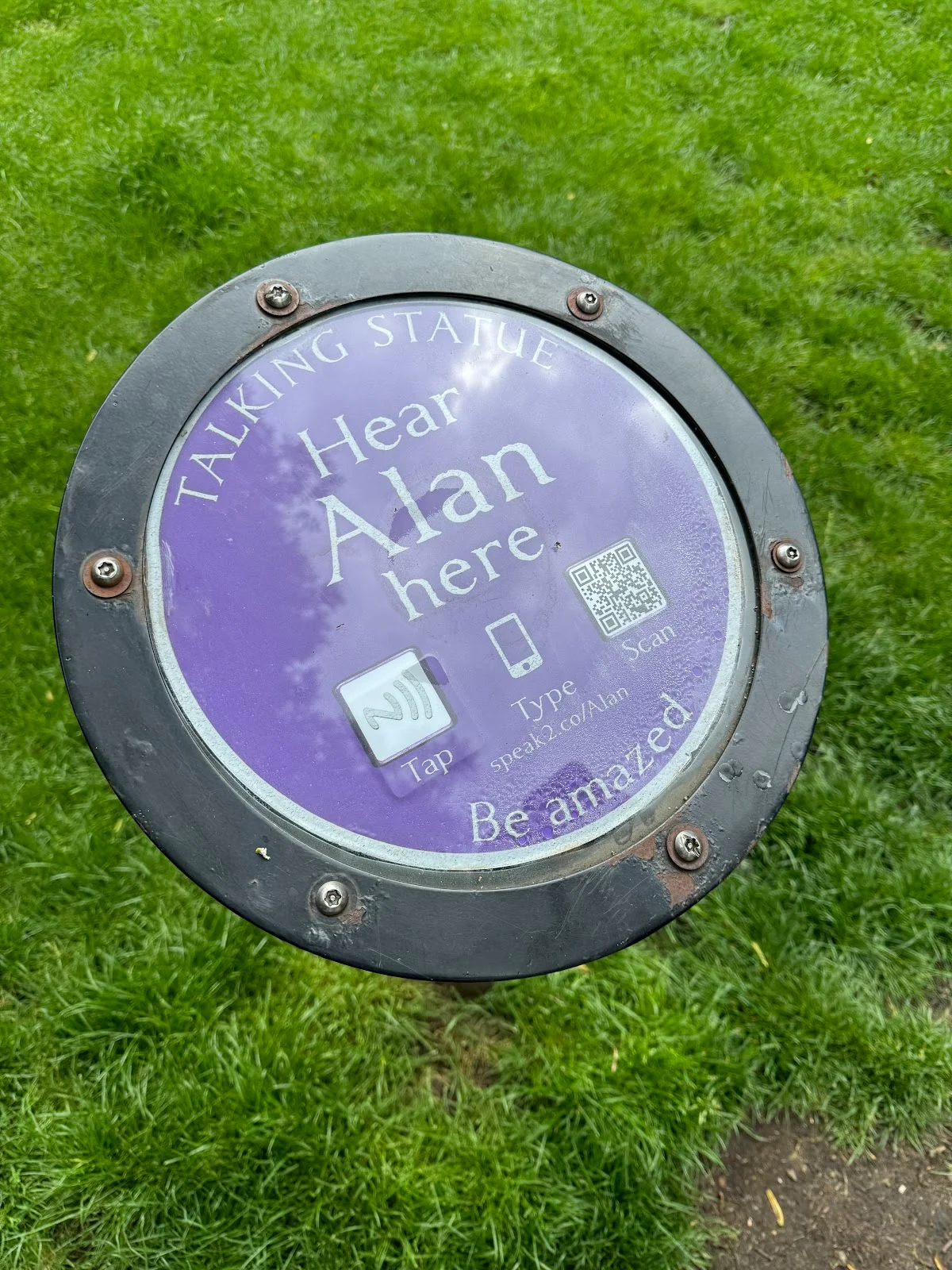
The Alan Turing Memorial, located in Sackville Park, Manchester, pays tribute to the notable mathematician and pioneer of computer science, Alan Turing. Unveiled in 2001, the memorial features a statue of Turing seated on a bench, an iconic representation of his life and legacy. Surrounded by greenery, it serves as a place of reflection and remembrance, honoring Turing's contributions to mathematics and his crucial role in breaking the Enigma code during World War II. The memorial stands not merely as an artistic tribute but also as a symbol of the ongoing fight for LGBTQ+ rights, reflecting Turing's legacy as a victim of societal prejudice.
What each source says
- Google 4.6 1,626
- Tripadvisor 4.5 117
Bar length is review volume, so you can see how much weight sits behind each score. Captured 2026-08-26.
What visitors single out
Liked
- Educational Opportunity The memorial includes informative plaques about Alan Turing's life and work. It's an opportunity to learn about his impact and share his story with others, especially children.
- Fitting Tribute to a Genius The memorial offers a poignant reminder of Alan Turing's contributions and the injustices he faced. It's a place for reflection and appreciation of his legacy.
- Peaceful City Center Green Space Sackville Gardens offers a tranquil escape from the urban bustle. The park provides a pleasant environment for contemplation and relaxation.
- Photo Opportunity Visitors can sit next to the statue for a memorable photo. It's a chance to connect with Turing's legacy and create a lasting memory of the visit.
- Proximity to Canal Street Located near Manchester's Gay Village, the memorial's setting highlights the progress made in LGBTQ+ rights. This provides a meaningful and relevant context to Turing's story.
Criticised
- Park Attracts Homeless The park is known to be frequented by homeless individuals, which may make some visitors uncomfortable or feel unsafe. This can especially be a concern for families or solo travelers.
- Park Condition Can Vary The surrounding park can sometimes be unkempt, with litter or evidence of drug use, detracting from the memorial's peaceful atmosphere. Maintenance may be inconsistent, impacting the overall experience.
- Potentially Overlooked The memorial's location, while peaceful, is not a high-profile or central spot in the city. It may be easily missed by tourists or those unfamiliar with the area.
- Statue Cleanliness The statue itself is sometimes dirty, with bird droppings or other grime affecting its appearance. This lack of upkeep can be disappointing for visitors paying respects.
- Statue Resemblance Some visitors feel the statue bears little resemblance to Alan Turing. It could be disappointing if you're expecting a spitting image.
The longer read
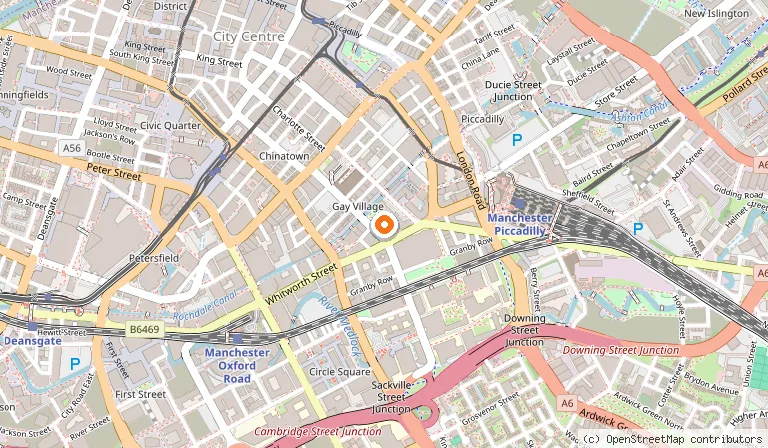
The Alan Turing Memorial in Sackville Gardens, near Canal Street in Manchester's Gay Village, is a poignant tribute to a brilliant but tragically treated man. Reviewers consistently describe it as a moving and thought-provoking experience, a place for quiet contemplation and reflection on Turing's contributions and the injustices he faced due to his sexuality. Many recommend learning about Turing's life before visiting to fully appreciate the memorial's significance. The statue itself depicts Turing sitting on a bench, holding an apple, a reference to his death. Visitors often take photos sitting next to the statue. Many find the location in Sackville Gardens, near the Gay Village, particularly apt, symbolizing the freedoms that Turing was denied. The memorial serves as a reminder of how far society has come in terms of LGBTQ+ rights. Sackville Gardens, while small, provides a peaceful green space in the city center. Many appreciate the well-maintained plants and grass. However, some note that the park can sometimes be affected by litter or the presence of homeless individuals, though police often patrol the area. A few reviewers mention that the statue could benefit from cleaning due to bird droppings. The memorial is easily accessible, especially for those visiting Canal Street or Piccadilly Station. It's also a starting point for free walking tours of Manchester, providing an opportunity to learn about the city's history and LGBTQ+ rights. Some reviewers suggest that the memorial's location, while meaningful, is not prominent enough for such an important figure, while others appreciate its understated nature. Despite some minor issues with upkeep, the Alan Turing Memorial is highly recommended as a place to pay respects to a true hero and reflect on his legacy. The opportunity to learn about this historical figure is mentioned frequently as a positive aspect of visiting the memorial.
A synthesis of published third-party reviews. Not written by Breaks.
Getting there
- Website
- manchester.gov.uk
| Mon | 24 Hours |
|---|---|
| Tue | 24 Hours |
| Wed | 24 Hours |
| Thu | 24 Hours |
| Fri | 24 Hours |
| Sat | 24 Hours |
| Sun | 24 Hours |
Against the neighbourhood
Rated 4.6 against a median of 4.5 across the 7 venues we hold for City Centre, where the most-reviewed is Belfast City Hall.
Still deciding?
- Who was Alan Turing and why is he commemorated with a memorial in Manchester?
- What does the Alan Turing Memorial look like and what features make it unique?
- Is the Alan Turing Memorial easy to find in Manchester and what is the best way to reach it?
- Are there any other interesting attractions or sites near the Alan Turing Memorial?
- What is the best time of day or year to visit the Alan Turing Memorial for the best experience?
What this page cannot tell you
- Descriptions and review summaries are supplied by the source index and are reproduced as published; they are not independently verified by Breaks.
- Ratings and review counts are point-in-time snapshots and drift constantly. Check the venue's own site or the rating provider for the current figure.
- Opening hours change seasonally and at short notice. Confirm with the venue before travelling.
- Category labels come from the source index and are occasionally wrong — a venue may be filed under a type that does not match how it trades.
- Straight-line distances understate real walking distance, especially where a river or railway sits between two points.